

How to Hire a Plumber, Electrician or Repair Expert Safely
When a pipe leaks, an appliance fails or an electrical problem appears, it is tempting to book the first person who can arrive. Speed matters, but choosing someone suited to the task and agreeing on safety, cost and access matters too. This guide explains how to hire a plumber, electrician or repair expert safely, prepare for a visit, protect household information and document the completed work. Requirements vary by service and location, so verify any qualifications required for your specific job.

Quick answer: what should readers do first?

Start by defining the task, confirming the information you can verify, comparing the full terms and keeping a written record. The right choice depends on the service, urgency, property and local requirements. Do not rely on a headline price, a single rating or an unsupported promise. Ask questions until you understand the scope and what happens if circumstances change.
This guide is designed to answer common questions directly for readers and search systems. It provides practical steps, context for local decisions and links to further information. It does not claim that a particular provider is available or endorse an unverified business.
Decide whether the situation is an emergency

Smoke, fire, a burning electrical smell, suspected gas leak, exposed live wiring or a serious structural concern may require immediate safety action. Move people away from danger and contact the appropriate emergency service or qualified professional. Do not attempt tests or repairs that could expose you to electricity, gas, contaminated water or structural collapse.
For a non-urgent problem, note when it started, what conditions trigger it and what changed recently. Take photos only from a safe distance. A concise description helps the professional plan the visit without encouraging you to dismantle equipment or perform risky troubleshooting.
For a practical next step, write down the decision you need to make, the information still missing and the evidence you will use to confirm the answer. Keep the same standard for each option you compare. This makes the process more transparent, gives you a record to revisit and helps avoid decisions based only on urgency or persuasive marketing.
Choose the right trade for the problem

Plumbing, electrical installation, appliance repair and general maintenance are different disciplines. A general handyman may be suitable for some simple tasks but not for every regulated or hazardous job. Ask whether the professional routinely handles the exact issue and whether local rules require a licence, certification or inspection.
Do not rely on a broad title alone. For an appliance, provide the make and model; for plumbing, describe the fixture and visible symptoms; for electrical issues, explain what you observed without touching exposed components. The provider should tell you when the problem needs a specialist or an on-site diagnosis.
For a practical next step, write down the decision you need to make, the information still missing and the evidence you will use to confirm the answer. Keep the same standard for each option you compare. This makes the process more transparent, gives you a record to revisit and helps avoid decisions based only on urgency or persuasive marketing.
Verify qualifications where required

Ask what training, licence or certification applies to the job and how it can be checked. Requirements differ by jurisdiction and task, so consult the relevant issuing body or official guidance for regulated work. For a larger project, ask who will be responsible for supervision, inspection and documentation.
A responsible professional should be able to explain their qualifications without treating reasonable questions as an insult. Avoid allowing someone to perform safety-critical work solely because they are available or offer a lower price. Verify the credentials that matter for the actual task rather than collecting irrelevant personal details.
For a practical next step, write down the decision you need to make, the information still missing and the evidence you will use to confirm the answer. Keep the same standard for each option you compare. This makes the process more transparent, gives you a record to revisit and helps avoid decisions based only on urgency or persuasive marketing.
Describe the fault clearly before the visit

Tell the provider what is happening, when it occurs, whether it is continuous or intermittent and whether any previous repair was attempted. Share model numbers or photos if relevant and safe. Mention access restrictions, parking, building rules and whether the property is rented.
Ask whether the professional can provide a preliminary range or needs to inspect before quoting. An honest answer may include uncertainty. A promise to diagnose every hidden fault accurately from a single vague message should be treated cautiously, especially when the job involves safety or expensive parts.
For a practical next step, write down the decision you need to make, the information still missing and the evidence you will use to confirm the answer. Keep the same standard for each option you compare. This makes the process more transparent, gives you a record to revisit and helps avoid decisions based only on urgency or persuasive marketing.
Confirm identity and appointment details

Before allowing access, confirm the provider’s name, business details, contact number and arrival window. If the booking was made through a platform, use the platform’s official confirmation and contact process. Tell household members who is expected and clarify whether additional workers may attend.
For a larger job, request written confirmation of the site visit and scope. Do not rely on an unfamiliar caller asking you to bypass normal building security. A legitimate provider should understand reasonable access procedures and be willing to communicate changes before arriving.
For a practical next step, write down the decision you need to make, the information still missing and the evidence you will use to confirm the answer. Keep the same standard for each option you compare. This makes the process more transparent, gives you a record to revisit and helps avoid decisions based only on urgency or persuasive marketing.
Get a written estimate and approval process

Ask for the inspection fee, labour, parts, travel charges, taxes, expected timeline and exclusions. Confirm whether the quote is fixed or provisional and what may cause it to change. Agree that additional work should be explained and approved before it proceeds whenever circumstances allow.
A diagnosis may reveal hidden damage, so a quote can sometimes change for a valid reason. The important part is to understand the reason and new cost before authorising the next stage. Keep the estimate and messages so you can refer to the same agreement if there is a dispute.
For a practical next step, write down the decision you need to make, the information still missing and the evidence you will use to confirm the answer. Keep the same standard for each option you compare. This makes the process more transparent, gives you a record to revisit and helps avoid decisions based only on urgency or persuasive marketing.
Prepare the work area safely

Clear access to the affected fixture or appliance, secure valuables and sensitive documents, and keep children and pets away from tools. Explain any areas that should remain private. If you rent, confirm whether the landlord or property manager needs to approve the work before it starts.
Do not attempt to make an unsafe area accessible by touching live components, standing in water near electrical equipment or disturbing a suspected gas leak. Explain the issue and let qualified personnel decide how to approach it safely. Protecting access and privacy should never require you to take unnecessary physical risks.
For a practical next step, write down the decision you need to make, the information still missing and the evidence you will use to confirm the answer. Keep the same standard for each option you compare. This makes the process more transparent, gives you a record to revisit and helps avoid decisions based only on urgency or persuasive marketing.
Observe safe work practices

A professional should use appropriate tools and protective equipment, follow relevant safety rules and explain important precautions. For regulated work, ask what testing or inspection is needed before the system is returned to service. Do not pressure anyone to bypass safeguards or use components that are not suitable for the application.
If you notice a serious unsafe practice, pause the job if doing so is safe and ask for clarification. If the concern cannot be resolved, seek qualified guidance. Avoid copying the repair yourself based on watching the professional; hidden risks may not be visible to an observer.
For a practical next step, write down the decision you need to make, the information still missing and the evidence you will use to confirm the answer. Keep the same standard for each option you compare. This makes the process more transparent, gives you a record to revisit and helps avoid decisions based only on urgency or persuasive marketing.
Protect payment and personal information

Agree on any deposit, payment milestones, balance due and accepted methods before the work begins. Request a receipt and keep the record. Be wary of sudden changes to payment details or pressure to transfer money before the scope is clear.
Never share banking PINs, passwords or OTPs with a service provider. Do not install remote-access software or share your screen to process a supposed refund. If you receive a suspicious request, stop and contact the bank or booking platform through official channels.
For a practical next step, write down the decision you need to make, the information still missing and the evidence you will use to confirm the answer. Keep the same standard for each option you compare. This makes the process more transparent, gives you a record to revisit and helps avoid decisions based only on urgency or persuasive marketing.
Check parts, replacements and warranty terms

If a part is replaced, ask what failed, which replacement was used and whether there are manufacturer instructions or warranty terms. Depending on the job, you may be able to inspect the old part or receive its model information. Clarify whether labour and parts have separate coverage.
Do not assume every repair has a warranty or that the same terms apply to all components. Ask for written details, including exclusions and how to request service if the fault returns. Keep serial numbers, receipts and photographs in a safe place.
For a practical next step, write down the decision you need to make, the information still missing and the evidence you will use to confirm the answer. Keep the same standard for each option you compare. This makes the process more transparent, gives you a record to revisit and helps avoid decisions based only on urgency or persuasive marketing.
Inspect the result and ask for instructions

At completion, ask the professional to explain the work and any maintenance or operating steps. Test the result only when it is safe and appropriate. For work requiring formal inspection, certificates or compliance records, ask how those documents will be provided.
If the fault is intermittent or cannot be fully tested at once, ask what symptoms to monitor and when to call back. Do not continue using equipment if the professional has identified an unresolved hazard. Document incomplete items and agree on a follow-up date or next step.
For a practical next step, write down the decision you need to make, the information still missing and the evidence you will use to confirm the answer. Keep the same standard for each option you compare. This makes the process more transparent, gives you a record to revisit and helps avoid decisions based only on urgency or persuasive marketing.
Know what to do if something goes wrong

Keep the quote, invoice, messages, photographs and any warranty information. If the repair fails or the scope was not completed, contact the provider promptly with a factual description and the outcome you are requesting. A clear written record is more useful than an angry but vague message.
If the booking came through a platform, use its formal support process. For suspected fraud, unsafe work or a significant dispute, the relevant consumer or safety authority may be appropriate. The right route depends on the location and circumstances; this article is not a substitute for professional or legal advice.
For a practical next step, write down the decision you need to make, the information still missing and the evidence you will use to confirm the answer. Keep the same standard for each option you compare. This makes the process more transparent, gives you a record to revisit and helps avoid decisions based only on urgency or persuasive marketing.
Account for apartment and neighbourhood logistics
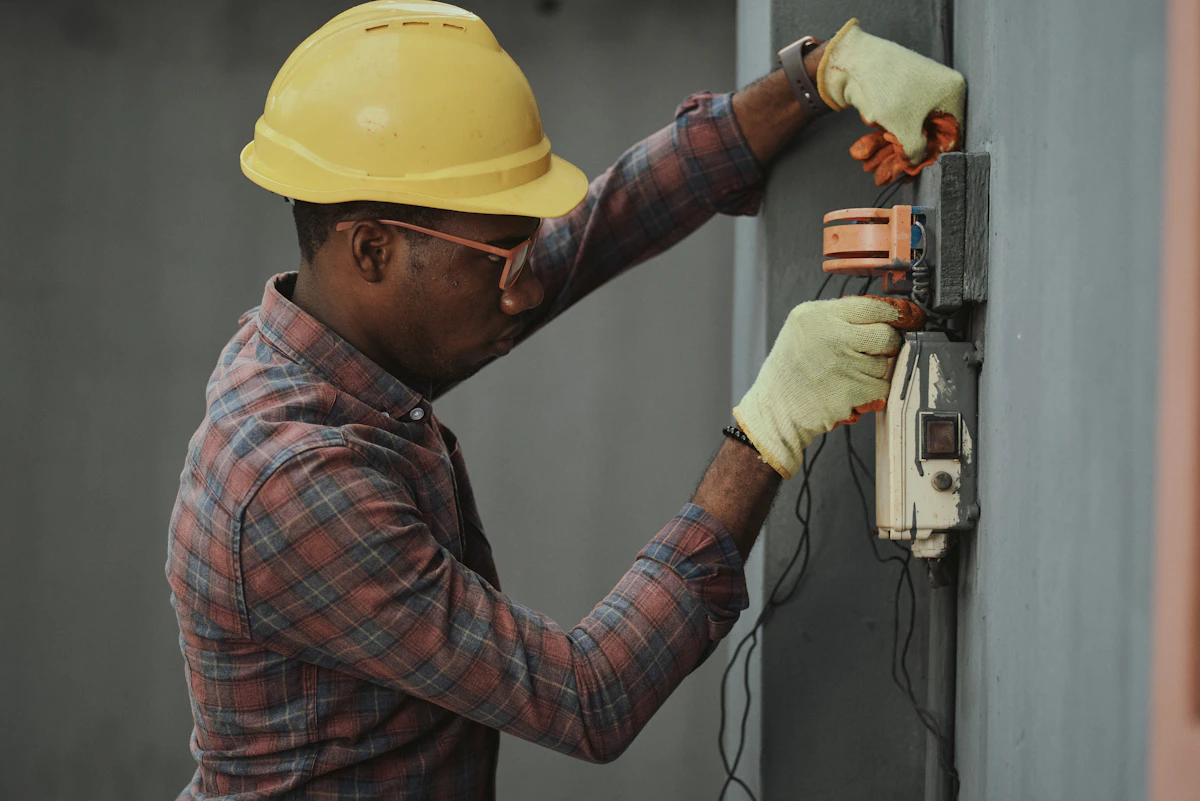
Service visits can be affected by parking, visitor entry, lift availability, building work hours, water shut-off rules and access to common areas. Tell the provider about these conditions before confirming. If a shared system is involved, building management may need to coordinate the work.
In areas such as Chandigarh, Panchkula, Mohali and Zirakpur, confirm the exact sector, service coverage and travel fees directly rather than assuming a city-wide listing guarantees availability. These are examples of local planning issues, not an endorsement of any particular provider.
For a practical next step, write down the decision you need to make, the information still missing and the evidence you will use to confirm the answer. Keep the same standard for each option you compare. This makes the process more transparent, gives you a record to revisit and helps avoid decisions based only on urgency or persuasive marketing.
Use a final safety-first checklist

Before confirming the booking, check task fit, relevant credentials, identity, written estimate, arrival window, payment terms and after-service support. Prepare the area without creating new hazards. At the end, ask what was done and keep the invoice and instructions.
The best provider is one who understands the job, communicates clearly and follows appropriate safety standards—not necessarily the one who promises the fastest or cheapest result. If a hazard is immediate, protect people first and contact qualified emergency help; complete routine comparison steps once the danger is controlled.
For a practical next step, write down the decision you need to make, the information still missing and the evidence you will use to confirm the answer. Keep the same standard for each option you compare. This makes the process more transparent, gives you a record to revisit and helps avoid decisions based only on urgency or persuasive marketing.
Local considerations and finding trustworthy information

Service availability, travel time, prices, qualifications and consumer procedures can vary by locality and by the work being requested. In Chandigarh, Panchkula, Mohali, Zirakpur and other urban areas, confirm the exact neighbourhood, access arrangements, appointment window and any travel or inspection charges directly with the provider. These place names are examples of local planning factors, not a claim that any particular business serves every area.
For consumer information in India, consult the official National Consumer Helpline. For relevant cybercrime guidance and reporting, use the official National Cyber Crime Reporting Portal. Read the current instructions on official websites and choose the route that matches your circumstances. These resources do not guarantee a particular complaint outcome.
For more related articles, browse The Infinity Company homepage and the Local Services category. Internal category links help readers continue exploring related guidance; official external sources provide additional context.
Frequently asked questions

Should I hire the first available electrician?

For an immediate hazard, prioritise safety and appropriate emergency help. For non-urgent work, check task fit, credentials, scope and price.
Is a verbal quote enough?
Written confirmation is safer because it records the work, price, exclusions and approval process for extra charges.
What if the professional asks for my OTP?

Do not share it. End the interaction and contact your bank or platform through official channels if needed.
Can I test the repair myself?

Only perform ordinary checks that are safe and appropriate. Do not touch exposed electrical parts or test suspected gas hazards yourself.
What records should I keep?

Save the estimate, invoice, messages, photographs, parts information and any warranty or inspection documents.
Action checklist: your next step

Before you commit, review the scope, price, timing, credentials or qualifications where relevant, payment terms, safety considerations and follow-up process. Save the key details in writing, ask for clarification when a term is unclear and do not share confidential account-security information. If the issue presents an immediate safety risk, prioritise safety and qualified assistance.
A safe repair process includes clear handover. Ask what has changed, whether a system should be monitored, what warning signs matter and whom to contact if the issue returns. Do not ignore a safety instruction simply because the appliance appears to work again. If an inspection or certificate is required for the work, confirm how and when you will receive it and keep it with the property records.
Take action now: use this checklist to compare your options, confirm the important details in writing and keep the records you may need later. Explore The Infinity Company for more practical guides and browse the Local Services resources for related topics.