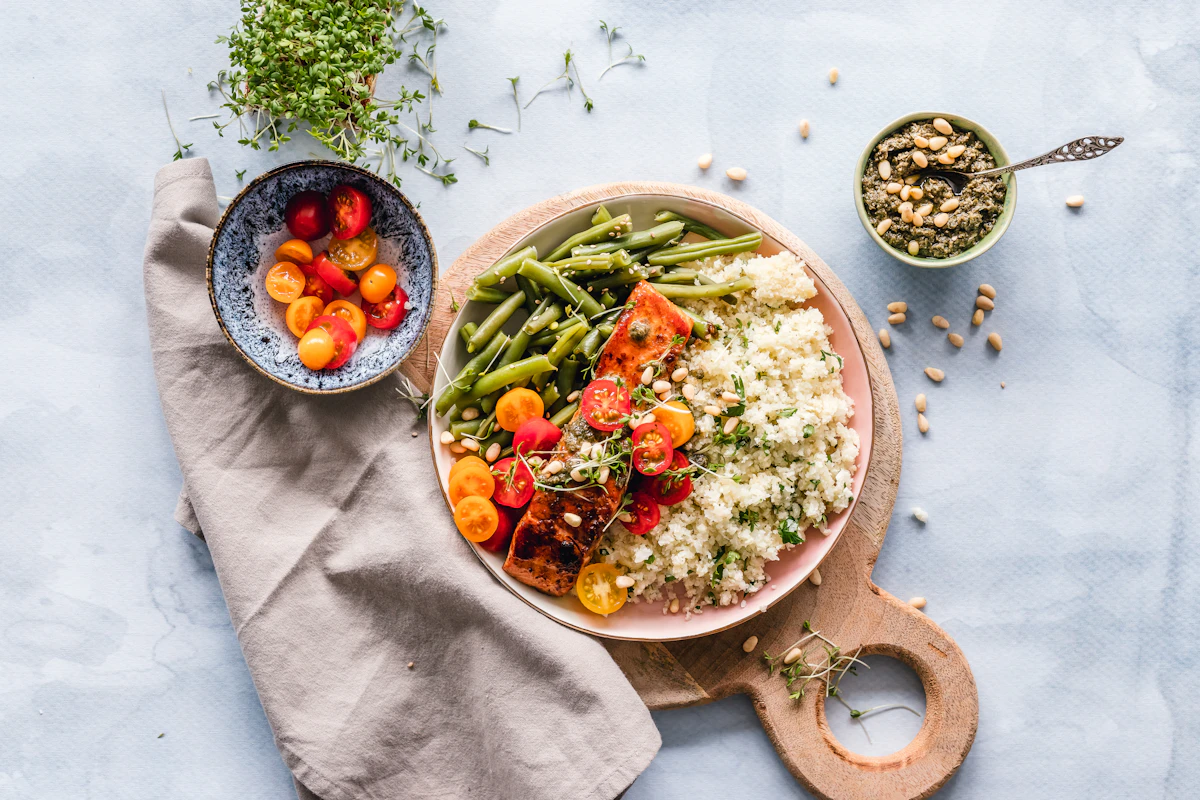
Check pantry supplies, plan meals around overlapping ingredients, include quick options, consider allergies and preferences, and keep a backup meal for unexpectedly busy evenings.
Why this matters
A clear process helps you compare options consistently and spot missing information before committing. Start by defining your goal, constraints and the details you still need to verify. Keep the checklist proportionate to the decision and use current, written information wherever possible.
Practical steps
Gather relevant records, requirements and written terms.
Compare options on the same criteria rather than relying on a headline claim.
Confirm uncertain details with the responsible provider or official source.
Record decisions, dates, responsibilities and follow-up actions.
Review the result and update your checklist next time.
Common mistakes to avoid
One menu does not suit every household. For medical dietary needs, seek advice from a qualified healthcare professional or registered dietitian.
Quick decision checklist
Is the scope or goal clear?
Have important terms been checked in writing?
Are costs, responsibilities and limitations understood?
Is there a sensible next step if the plan changes?
Begin with the checklist, identify the most important unknown and verify it before making a commitment.
Is general online advice enough?
Not always. Confirm case-specific requirements with the responsible organisation or a qualified professional when needed.
Next step
Save the checks relevant to your situation and explore the related resources on The Infinity Company. Before a formal or paid commitment, confirm scope, terms and responsibilities in writing.
Choose a realistic wind-down cue, prepare essentials for the next morning, set a stopping point for work and leave a buffer for family needs. Review the routine after a week.
Why this matters
A clear process helps you compare options consistently and spot missing information before committing. Start by defining your goal, constraints and the details you still need to verify. Keep the checklist proportionate to the decision and use current, written information wherever possible.
Practical steps
Gather relevant records, requirements and written terms.
Compare options on the same criteria rather than relying on a headline claim.
Confirm uncertain details with the responsible provider or official source.
Record decisions, dates, responsibilities and follow-up actions.
Review the result and update your checklist next time.
Common mistakes to avoid
Do not treat a routine as a test of discipline. If it repeatedly fails, simplify it rather than adding more rules.
Quick decision checklist
Is the scope or goal clear?
Have important terms been checked in writing?
Are costs, responsibilities and limitations understood?
Is there a sensible next step if the plan changes?
Begin with the checklist, identify the most important unknown and verify it before making a commitment.
Is general online advice enough?
Not always. Confirm case-specific requirements with the responsible organisation or a qualified professional when needed.
Next step
Save the checks relevant to your situation and explore the related resources on The Infinity Company. Before a formal or paid commitment, confirm scope, terms and responsibilities in writing.
A practical lunchbox combines foods the child will actually eat with variety across the week. Prepare washed produce and suitable components the night before, include a water bottle, and use an insulated bag when needed to keep food at a safe temperature. Consider allergies and school food policies.
Practical steps to take
Start by writing down the current situation, the goal and any deadline. Compare options using the same criteria, confirm costs and conditions in writing, and keep relevant receipts or notes. If the issue involves safety, legal obligations or financial commitments, consult the appropriate official source or qualified professional rather than relying on a general online article.
Common mistakes to avoid
Making a decision before checking the full terms and likely extra costs.
Relying on verbal assurances when a written confirmation is available.
Ignoring deadlines, maintenance or follow-up after the initial decision.
Sharing personal information with unverified people or websites.
Quick checklist
Confirm the facts and requirements.
Compare at least two suitable options where possible.
Keep a record of decisions and important documents.
Work, family responsibilities and late screen use can disrupt sleep. Sleep-hygiene habits may help, though persistent sleep disorders often need more than routine changes.
Keep a steady schedule
Choose realistic bedtime and wake-up times and allow enough time for sleep. When shift work or caregiving makes consistency difficult, keep the most stable pattern possible.
Wind down
Use the final part of the evening for quiet reading, gentle stretching or preparing tomorrow’s essentials. Reduce bright light and silence nonessential notifications. Write down tomorrow’s tasks if they keep circling in your mind.
Review caffeine and the bedroom
Caffeine can affect people for hours, so consider avoiding it later in the day. Aim for a dark, quiet, comfortable room. Heavy meals, alcohol and nicotine can interfere with sleep for some people.
When to seek help
If you regularly cannot sleep, snore heavily, wake unrefreshed or experience marked daytime sleepiness, consult a healthcare professional. Persistent insomnia may benefit from evidence-based treatment such as CBT-I; sleep hygiene alone may not be enough.
Sleep can become irregular when work, family duties and screen time extend late into the evening. Sleep hygiene cannot solve every sleep disorder, but consistent habits and a suitable sleep environment can make rest easier for many people.
Keep a steady schedule
Choose a realistic bedtime and wake-up time, including weekends where practical. Allow enough time for sleep rather than relying on repeated alarms or catch-up sleep. If your schedule changes because of shifts or caregiving, focus on the most consistent pattern you can maintain.
Build a wind-down period
Use the final part of the evening for quiet activities such as reading, gentle stretching, preparing tomorrow’s essentials or listening to calming audio. Dim bright lights if comfortable and silence nonessential notifications. If work thoughts keep returning, write a short task list for the next day.
Review caffeine, meals and the bedroom
Caffeine can affect people for several hours, so experiment with avoiding it later in the day. Heavy meals, alcohol and nicotine can interfere with sleep for some people. Aim for a bedroom that is dark, quiet, comfortable and not excessively hot.
What if sleep does not improve?
Do not spend hours fighting the clock. If you regularly cannot sleep, wake unrefreshed, snore heavily or experience significant daytime sleepiness, consult a healthcare professional. Persistent insomnia may benefit from evidence-based treatment, including cognitive behavioural therapy for insomnia (CBT-I); sleep hygiene alone is not always sufficient.
Simple evening checklist
Set tomorrow’s first priority.
Prepare clothes, bag or work materials.
Reduce stimulating activity before bed.
Keep the wake-up time reasonably consistent.
For general information, see the NHS guidance on sleeping better. Seek professional advice for persistent or severe symptoms.
Small changes to notifications, focus time and evening routines can help people use devices more intentionally. This guide summarises practical checks to help you make a more informed decision.
What to know before you start
Start by defining the outcome you want and the constraints that matter most. Check reliable, current information and make sure the option fits your circumstances rather than relying on a headline or trend alone.
Practical steps that make a difference
Break the task into small steps, keep a written record of key decisions and compare options using the same criteria. Where tools or services are involved, check their terms, privacy practices and limitations before relying on them.
Common mistakes to avoid
Avoid rushed decisions, unsupported promises and advice that cannot be verified. Protect personal information, confirm prices or rules with the responsible provider and ask a qualified professional when the consequences could be significant.
A simple checklist
Verify key facts and dates; compare costs and trade-offs; keep confirmations or records; review the result and adjust the plan when new information becomes available.
Frequently asked question
What is the best next step? Start with a small, low-risk action, verify important details using trusted sources and review whether the approach is working for your needs.
Late-night scrolling can push bedtime later and keep the mind engaged when it is time to wind down. A digital detox does not require abandoning technology; it means setting boundaries that make rest and focused time easier.
Quick takeaway: Focus on verified information, realistic expectations and a plan that suits your circumstances. Rules, prices and availability can change, so confirm important details before acting.
Create a screen wind-down window
Choose a realistic period before bed to stop work messages, endless feeds and stimulating videos. If you need a device, lower brightness and use it for a specific task rather than switching between apps.
Move the phone away from the bed
Charge it across the room or outside the bedroom if practical. Use a separate alarm if that helps. Silence non-essential notifications and allow urgent contacts through a suitable exception.
Replace scrolling with a calming routine
Try reading on paper, light stretching, preparing tomorrow’s list or a quiet conversation. Keep wake-up and bedtime schedules reasonably consistent, including on weekends.
Look beyond screen time
Caffeine timing, stress, room temperature and irregular schedules can also affect sleep. Persistent insomnia, loud snoring with gasping or major daytime sleepiness warrants discussion with a healthcare professional.
Final checklist
Verify key facts and terms before committing.
Compare options using your own needs and budget.
Keep written records of important decisions and agreements.
THE INFINITY COMPANY
Need Help or More Information?
Contact The Infinity Company for relevant service enquiries and assistance.
Practical ways to eat more balanced meals on busy days using simple planning, affordable ingredients, hydration and flexible portions. This guide offers practical steps for making a more informed decision. Adapt the checklist to your own circumstances and verify any legal, financial, health or technical requirements through the relevant official source or qualified professional.
Plan a few meals instead of every bite
Balanced meal ingredients — illustrative image.
A little preparation can make balanced choices easier when the day becomes busy. Plan a few breakfasts and lunches you can repeat, keep suitable pantry staples available and prepare ingredients ahead when possible. A balanced pattern can include vegetables or fruit, protein sources, whole grains or other staple foods, and fats in appropriate amounts. Needs vary with age, activity, culture, budget and health conditions.
Make convenience work for you
Prepared home meal — illustrative image.
Frozen vegetables, canned beans or lentils, eggs, yoghurt and other convenient foods can help reduce preparation time. Compare labels where relevant, particularly sodium, added sugar and saturated fat, and choose options that suit your needs. No single food needs to be labelled a miracle food; overall eating patterns and portion choices matter more than a trendy ingredient.
Build a realistic shopping list
Fresh vegetables at a market — illustrative image.
Use meals you already enjoy as the basis for your list. Buy seasonal produce where it is affordable, choose ingredients that can be used in several dishes and store foods safely to reduce waste. If you have dietary restrictions, allergies or a condition requiring a specific eating plan, follow advice from a qualified healthcare professional or registered dietitian rather than copying a generic online menu.
Keep habits flexible and sustainable
Home cooking ingredients — illustrative image.
Aim for repeatable improvements rather than perfection. Eat regular meals when that suits your routine, keep water available and make room for social and cultural food traditions. If a day does not go to plan, return to your usual habits at the next meal. This article provides general wellbeing information and does not replace individual medical nutrition advice.
Final checklist
Review the details before making your next decision.
Write down your priorities, compare options using the same criteria, confirm important details directly with the relevant provider and keep records of agreements. Revisit the plan when your needs change rather than relying on assumptions or outdated information. The Infinity Company shares practical guides to help readers make more informed decisions.
About this guide: This article is for general informational purposes. Product terms, local rules and individual circumstances may differ; verify important details before acting.
Walking is one of the simplest ways to add regular movement to everyday life. It can support heart health, mood, mobility and general fitness without requiring a gym membership or specialised equipment. The right amount depends on your current activity, health, age and surroundings. This guide explains practical benefits, how to start safely and how to make walking a routine you can maintain.
What are the benefits of walking daily?
What are the benefits of walking daily?
Walking is an accessible form of physical activity that can help improve cardiovascular fitness, support blood pressure and blood glucose management, strengthen muscles and bones, improve mood and make it easier to meet weekly activity goals. Benefits depend on frequency, pace, duration, starting fitness and health conditions. You do not need to begin with long walks or a specific step count. A comfortable, repeatable routine is a useful starting point, and short bouts can add up across the day.
Choose a pace and route that fit your circumstances, and follow individual medical advice when a health condition affects exercise safety.
How walking supports heart health
How walking supports heart health
Brisk walking raises the heart rate and can improve aerobic fitness over time. Regular physical activity is associated with better cardiovascular health and can complement management of blood pressure and cholesterol. Walking does not replace prescribed medication or clinical follow-up. If you have heart disease, significant breathlessness or other medical concerns, ask your clinician what intensity is appropriate. Start at a pace that lets you speak comfortably, then build duration gradually rather than suddenly pushing for speed.
Choose a pace and route that fit your circumstances, and follow individual medical advice when a health condition affects exercise safety.
Walking and blood glucose management
Walking and blood glucose management
Muscles use glucose during activity, so walking can support blood glucose management as part of an overall care plan. The effect varies with meal timing, intensity, medication and individual health. People who use insulin or medicines that can cause low blood glucose should ask their care team how to exercise safely and whether they need to monitor glucose or carry a fast-acting carbohydrate. Do not change medication doses simply because you have started walking without professional guidance.
Choose a pace and route that fit your circumstances, and follow individual medical advice when a health condition affects exercise safety.
Walking and healthy weight management
Walking and healthy weight management
Walking increases daily movement and energy use, but weight change depends on many factors, including food intake, sleep, medicines, health conditions and consistency. A walk can be valuable even if body weight does not change. Focus on building a sustainable routine, improving stamina and feeling better rather than expecting rapid weight loss. Avoid using exercise as punishment for eating. If weight management is a goal, combine movement with realistic eating habits and seek qualified advice when needed.
Choose a pace and route that fit your circumstances, and follow individual medical advice when a health condition affects exercise safety.
Benefits for mood, stress and mental wellbeing
Benefits for mood, stress and mental wellbeing
A walk can provide a break from work, study or household demands and may help some people feel calmer or more alert. Walking outdoors can also offer daylight, contact with nature and social connection. These effects vary and walking is not a substitute for mental-health care when symptoms are persistent or severe. Choose a safe route and pace that feels restorative rather than adding pressure to reach a target. A short walk is still worthwhile when a longer session is not practical.
Choose a pace and route that fit your circumstances, and follow individual medical advice when a health condition affects exercise safety.
Walking, sleep and daily energy
Walking, sleep and daily energy
Regular daytime activity may support sleep quality for some people and can help establish a predictable daily rhythm. Avoid forcing a strenuous late-night walk if it leaves you feeling wired or makes it harder to wind down. Sleep also depends on schedule, caffeine, stress, light exposure and medical factors. If insomnia, loud snoring or daytime sleepiness persists, seek appropriate assessment instead of relying on exercise alone.
Choose a pace and route that fit your circumstances, and follow individual medical advice when a health condition affects exercise safety.
Joint mobility, muscles and bones
Joint mobility, muscles and bones
Walking uses the muscles of the legs and trunk and places weight through the skeleton, which can be part of a bone-health routine. Comfortable walking can help maintain everyday mobility, but it may not be sufficient strength training for all muscle groups. If you have arthritis, a recent injury or pain, begin with a manageable distance and suitable surface. Increase gradually and seek advice if pain worsens, swelling develops or walking changes your gait.
Choose a pace and route that fit your circumstances, and follow individual medical advice when a health condition affects exercise safety.
How many minutes should you walk?
How many minutes should you walk?
Public-health guidance commonly recommends that adults aim for at least 150 minutes of moderate-intensity aerobic activity per week, alongside muscle-strengthening activity on two or more days when possible. This is a general target, not a requirement to meet immediately or a rule that suits every medical condition. Start from your current activity level and build toward a suitable goal. If you are inactive, even short sessions can be a meaningful first step.
Choose a pace and route that fit your circumstances, and follow individual medical advice when a health condition affects exercise safety.
What is a moderate walking pace?
What is a moderate walking pace?
At a moderate pace, breathing is faster but you can usually talk in sentences; singing may feel difficult. The exact speed varies with age, fitness, terrain, temperature and health. A brisk pace for one person may be uncomfortable for another. Use perceived effort and symptoms rather than copying another person’s speed. If you cannot speak comfortably, feel faint or develop unusual breathlessness, slow down or stop and assess what is happening.
Choose a pace and route that fit your circumstances, and follow individual medical advice when a health condition affects exercise safety.
A beginner plan for the first two weeks
A beginner plan for the first two weeks
Start with a duration that feels manageable, such as five to ten minutes on most days if that is appropriate for your health and current ability. Repeat the same comfortable routine for several sessions before adding a few minutes. Include easy warm-up and cool-down walking. If you experience persistent pain, unusual fatigue or symptoms that worry you, pause and seek advice. People who already walk regularly can begin at a higher level, but progression should still be gradual.
Choose a pace and route that fit your circumstances, and follow individual medical advice when a health condition affects exercise safety.
A simple weekly walking schedule
A simple weekly walking schedule
Spread walks across the week according to your routine. For example, begin with a short walk on five days, add a slightly longer session when comfortable and keep one or more lighter days for recovery. This is an example, not a prescription. A few ten-minute walks can be easier to fit around work than one long session. Build the schedule around your life so it remains realistic during busy weeks, travel or bad weather.
Choose a pace and route that fit your circumstances, and follow individual medical advice when a health condition affects exercise safety.
Walking after meals: what to know
Walking after meals: what to know
Some people find a gentle walk after a meal helps them build a routine and supports post-meal glucose management. Keep the pace comfortable, especially after a large meal, and consider any medical advice you have received. People taking glucose-lowering medication should discuss safe activity planning with their clinician if low blood glucose is a concern. Stop if you feel dizzy, weak, nauseated or otherwise unwell. Walking after meals is optional, not a requirement for everyone.
Choose a pace and route that fit your circumstances, and follow individual medical advice when a health condition affects exercise safety.
Choose safe footwear and comfortable clothing
Choose safe footwear and comfortable clothing
Wear shoes that fit securely, feel comfortable and provide suitable grip for your route. New shoes should not cause blisters or pressure points. Choose breathable clothing appropriate to the weather and use reflective elements when walking in low light. If you have reduced foot sensation, foot ulcers or circulation problems, ask a clinician about appropriate footwear and foot checks before increasing walking. Replace footwear when it is worn out or no longer feels supportive.
Choose a pace and route that fit your circumstances, and follow individual medical advice when a health condition affects exercise safety.
Hydration, heat and weather precautions
Hydration, heat and weather precautions
In hot or humid weather, walk during cooler hours, choose shade and take breaks. Drink fluids according to thirst and your health needs; some people with heart or kidney conditions have specific fluid advice from their clinician. Do not ignore signs of heat illness such as marked weakness, dizziness, nausea or confusion. In poor air quality, extreme cold, storms or unsafe conditions, move the session indoors or postpone it. Adjust pace and duration to the environment.
Choose a pace and route that fit your circumstances, and follow individual medical advice when a health condition affects exercise safety.
Walking safely outdoors
Walking safely outdoors
Choose routes with safe crossings, adequate lighting and surfaces that suit your balance and mobility. Stay alert near traffic and avoid looking at your phone while crossing roads. In isolated areas, consider walking with another person, sharing your route or choosing a busier location. Use recognised paths and follow local rules. If walking at dawn or after dark, improve visibility and be aware of your surroundings rather than relying only on headphones or navigation apps.
Choose a pace and route that fit your circumstances, and follow individual medical advice when a health condition affects exercise safety.
Indoor walking and alternatives
Indoor walking and alternatives
A corridor, shopping centre where permitted, treadmill or indoor track can help maintain a routine when weather or safety makes outdoor walking difficult. If space is limited, walk around a room and add gentle marching or movement breaks. Use stable support if balance is uncertain and avoid cluttered areas. Indoor sessions count as activity when they raise movement to a suitable level. Consistency matters more than the scenery or having specialised equipment.
Choose a pace and route that fit your circumstances, and follow individual medical advice when a health condition affects exercise safety.
Walking for older adults and balance concerns
Walking for older adults and balance concerns
Older adults may benefit from walking, but falls risk, vision, medications, balance and joint conditions can affect what is safe. Start on a familiar, even route and use prescribed walking aids correctly. If you have fallen recently, feel unsteady or avoid activity because of fear of falling, ask a clinician or physiotherapist about an individual plan. Balance and strength exercises may be useful additions. Do not walk alone in conditions that make you feel unsafe.
Choose a pace and route that fit your circumstances, and follow individual medical advice when a health condition affects exercise safety.
Walking with diabetes or other chronic conditions
Walking with diabetes or other chronic conditions
People with diabetes, heart or lung conditions, kidney disease or other chronic illnesses can often be physically active, but the plan may need adjustment. Ask about intensity, foot care, medication timing, hydration and warning symptoms that apply to you. Wear appropriate footwear and check your feet if you have reduced sensation. Do not exercise through chest pain, faintness or severe breathlessness. The right plan depends on your medical history, current treatment and baseline fitness.
Choose a pace and route that fit your circumstances, and follow individual medical advice when a health condition affects exercise safety.
How to stay motivated without chasing step counts
How to stay motivated without chasing step counts
Link walking to an existing habit, such as a lunch break or evening routine. Choose a route you enjoy, listen to music only when it is safe and invite a friend if social support helps. Track minutes or how you feel rather than treating a step count as a measure of personal worth. Missed days are normal; restart with a manageable session. If tracking makes you anxious or compulsive, stop tracking and focus on comfort and consistency.
Choose a pace and route that fit your circumstances, and follow individual medical advice when a health condition affects exercise safety.
Common walking mistakes to avoid
Common walking mistakes to avoid
Common mistakes include increasing distance too quickly, ignoring persistent pain, wearing unsuitable shoes, walking through extreme heat and assuming faster is always better. Another mistake is starting with a target that does not fit your current ability and then abandoning the routine. Build gradually, rest when ill and adjust to weather and symptoms. Do not use a phone while crossing roads, and avoid pushing through chest pain, faintness or severe breathlessness.
Choose a pace and route that fit your circumstances, and follow individual medical advice when a health condition affects exercise safety.
When to stop and seek medical advice
When to stop and seek medical advice
Stop exercising and seek urgent medical care for chest pain or pressure, fainting, severe or unusual breathlessness, sudden weakness or other serious symptoms. New leg swelling, persistent joint pain, repeated dizziness or a major change in exercise tolerance should be discussed with a clinician. People with known medical conditions should follow their individual advice. Do not interpret alarming symptoms as a normal sign that the workout is effective.
Choose a pace and route that fit your circumstances, and follow individual medical advice when a health condition affects exercise safety.
Walking is useful, but variety matters
Walking is useful, but variety matters
Walking is an excellent way to build aerobic activity, but a well-rounded routine may also include muscle strengthening, balance work and mobility according to ability. It does not train every muscle equally and may not provide the right stimulus for every fitness goal. Add suitable strength exercises on separate days or as advised. Rest and recovery are important too. A sustainable routine should support daily life, not leave you continually exhausted or in pain.
Choose a pace and route that fit your circumstances, and follow individual medical advice when a health condition affects exercise safety.
Frequently asked questions about daily walking
Frequently asked questions about daily walking
Is 10,000 steps compulsory? No; it is not a universal medical requirement. Can short walks count? Yes, activity can be accumulated in manageable bouts. Is walking enough for everyone? It is a useful foundation, but some people need additional strength, balance or tailored activity. Should you walk when sick? Rest or seek medical advice when symptoms warrant it. The best routine is safe, appropriate to your health and repeatable over time.
Choose a pace and route that fit your circumstances, and follow individual medical advice when a health condition affects exercise safety.
“Superfood” is a popular marketing term, not a formal medical category. It usually describes foods that provide useful nutrients such as fibre, protein, vitamins, minerals or unsaturated fats. No single food prevents every disease or replaces an overall balanced diet. This guide explains the practical benefits of nutrient-rich foods, Indian examples, affordable ways to include them and why supplements or expensive powders are not always necessary.
What does superfood actually mean?
What does superfood actually mean?
The term usually refers to foods with a high concentration of one or more useful nutrients, but there is no official list that makes a food universally superior. A food’s value depends on the rest of the diet, portion size, preparation, affordability and personal health needs. Lentils, seasonal vegetables, fruit, nuts and whole grains can be nutritious without premium branding. Think of “superfood” as a reminder to choose variety, not a promise of a special medical effect.
Choose practical steps that fit your circumstances, and seek qualified professional guidance when symptoms, medical conditions or individual needs make general advice insufficient.
Benefits come from the overall dietary pattern
Benefits come from the overall dietary pattern
A balanced pattern that includes vegetables, fruit, pulses, whole grains, nuts or seeds and suitable protein sources can help meet nutrient needs. Fibre supports bowel regularity and can help with fullness; protein supports tissue maintenance; and unsaturated fats contribute energy and help the body absorb certain vitamins. The benefit comes from regular, varied eating over time, not from adding one trendy ingredient to an otherwise unbalanced diet.
Choose practical steps that fit your circumstances, and seek qualified professional guidance when symptoms, medical conditions or individual needs make general advice insufficient.
Leafy green vegetables
Leafy green vegetables
Spinach, mustard greens, fenugreek leaves and other local greens provide fibre and several vitamins and minerals. Different greens have different nutrient profiles, so variety is more useful than relying on a single type. Wash produce carefully and cook it appropriately. People with specific medical conditions or dietary restrictions may need individual advice about certain foods, but most people can build greens into meals through dals, sabzi, soups or mixed dishes.
Choose practical steps that fit your circumstances, and seek qualified professional guidance when symptoms, medical conditions or individual needs make general advice insufficient.
Seasonal fruit and berries
Seasonal fruit and berries
Guava, oranges, papaya, bananas, apples and other seasonal fruits contribute fibre, water and micronutrients. The best choice is often the fruit that is fresh, affordable and eaten regularly. Whole fruit generally provides more fibre and tends to be more filling than juice. Frozen fruit can also be useful where available. No single fruit is required for good health, and people managing blood glucose can discuss portions and meal planning with their clinician or dietitian.
Choose practical steps that fit your circumstances, and seek qualified professional guidance when symptoms, medical conditions or individual needs make general advice insufficient.
Pulses, beans and lentils
Pulses, beans and lentils
Dal, rajma, chana, lobia and other pulses offer plant protein, fibre and minerals. They can be economical staples and help make meals more satisfying. Soaking and cooking them properly improves texture and digestibility for many people. Combine pulses with grains and a variety of vegetables across the day to broaden nutrient intake. Canned options can be convenient; compare sodium content and rinse when appropriate.
Choose practical steps that fit your circumstances, and seek qualified professional guidance when symptoms, medical conditions or individual needs make general advice insufficient.
Nuts and seeds
Nuts and seeds
Peanuts, almonds, walnuts, sesame, flaxseed, chia and pumpkin seeds provide varying amounts of unsaturated fats, protein, fibre and micronutrients. A small portion can add flavour and nutrient density to meals, but nuts and seeds are energy-dense, so large amounts can add substantial calories. Choose unsalted options where possible and consider allergies. Ground seeds may be easier to incorporate into foods, but they are not a substitute for varied meals.
Choose practical steps that fit your circumstances, and seek qualified professional guidance when symptoms, medical conditions or individual needs make general advice insufficient.
Whole grains and millets
Whole grains and millets
Oats, whole-wheat atta, brown rice and millets such as ragi, jowar and bajra can contribute fibre and other nutrients. Whole grains may support fullness and a healthier overall dietary pattern when they replace some refined grains. The best grain depends on availability, preference, cooking traditions and individual needs. No grain is automatically ideal for everyone; variety and portion balance matter more than a fashionable label.
Choose practical steps that fit your circumstances, and seek qualified professional guidance when symptoms, medical conditions or individual needs make general advice insufficient.
Fermented foods and gut health
Fermented foods and gut health
Curd and other fermented foods can fit into a balanced diet and may provide beneficial microbes depending on the product and preparation. Their effects vary by food and person, and not every fermented product is a proven probiotic treatment. Choose safe preparation and storage, and check added sugar and salt in packaged foods. If you have a medical condition affecting immunity or digestion, ask a healthcare professional about specialised products or supplements.
Choose practical steps that fit your circumstances, and seek qualified professional guidance when symptoms, medical conditions or individual needs make general advice insufficient.
Protein-rich foods for everyday meals
Protein-rich foods for everyday meals
Eggs, dairy, fish, poultry, tofu, soy foods and pulses can help meet protein needs, depending on dietary preferences. Protein is important for maintaining tissues and supporting normal body functions, but individual requirements vary with age, activity, pregnancy and health conditions. Spread suitable sources across meals rather than depending on a single shake or powder. People with kidney disease or other conditions may need personalised protein advice from their clinician.
Choose practical steps that fit your circumstances, and seek qualified professional guidance when symptoms, medical conditions or individual needs make general advice insufficient.
Healthy fats and food quality
Healthy fats and food quality
Nuts, seeds and some plant oils provide unsaturated fats, which can replace some saturated fats in a balanced eating pattern. Portion size still matters because oils and nuts are energy-dense. Whole foods often provide several nutrients together, while a refined oil or isolated nutrient does not offer the same combination. Choose cooking methods and amounts that fit your overall diet, budget and medical guidance.
Choose practical steps that fit your circumstances, and seek qualified professional guidance when symptoms, medical conditions or individual needs make general advice insufficient.
How fibre supports digestion and fullness
How fibre supports digestion and fullness
Fibre from vegetables, fruit, pulses, nuts and whole grains helps support bowel regularity and may improve fullness. Increase fibre gradually and drink fluids appropriate to your health needs, because a sudden large increase can cause gas or discomfort. Some digestive conditions require tailored advice about fibre type or quantity. Whole foods offer a mixture of fibres and other nutrients, so variety is generally more practical than relying on a single fibre powder.
Choose practical steps that fit your circumstances, and seek qualified professional guidance when symptoms, medical conditions or individual needs make general advice insufficient.
Antioxidants: useful, but not magic
Antioxidants: useful, but not magic
Many plant foods contain compounds with antioxidant activity, alongside vitamins and minerals. Laboratory findings do not automatically mean that a concentrated supplement prevents disease in people. Eating a range of colourful vegetables and fruits is a sensible way to obtain diverse nutrients. Avoid claims that a food “detoxes” the body or guarantees protection from illness; the body already has systems for processing and eliminating waste, and medical claims require strong evidence.
Choose practical steps that fit your circumstances, and seek qualified professional guidance when symptoms, medical conditions or individual needs make general advice insufficient.
Affordable Indian superfood choices
Affordable Indian superfood choices
Everyday options such as seasonal vegetables, guava, amla, pulses, peanuts, curd, eggs where eaten, and locally available whole grains can be nutrient-rich without being expensive. Frozen produce or plain packaged pulses may also be useful when fresh choices are limited. Compare cost per serving, storage life and preparation time rather than buying based on a premium label. A practical food that your household enjoys and can afford consistently is more useful than an expensive product left unused.
Choose practical steps that fit your circumstances, and seek qualified professional guidance when symptoms, medical conditions or individual needs make general advice insufficient.
Build a balanced Indian plate
Build a balanced Indian plate
A practical meal can include vegetables, a suitable protein source, whole grains or another staple, and fruit or curd where appropriate. The proportions depend on appetite, activity, cultural preferences and health needs. Dal with roti and sabzi, rice with rajma and vegetables, or eggs with whole-grain toast and fruit are examples rather than strict prescriptions. Use the plate as a flexible guide, not a rigid rule for every person or medical condition.
Choose practical steps that fit your circumstances, and seek qualified professional guidance when symptoms, medical conditions or individual needs make general advice insufficient.
Breakfast ideas using nutrient-rich foods
Breakfast ideas using nutrient-rich foods
Try oats with nuts and fruit, vegetable poha with peanuts, eggs with whole-grain roti, or curd with fruit and seeds, depending on your preferences. A breakfast does not need a special powder or imported ingredient to be nourishing. Consider protein, fibre, portion size and convenience. If you are not hungry early in the day or have a condition requiring a specific meal schedule, adapt the plan with appropriate professional advice.
Choose practical steps that fit your circumstances, and seek qualified professional guidance when symptoms, medical conditions or individual needs make general advice insufficient.
Lunch and dinner ideas
Lunch and dinner ideas
Include a pulse, egg, dairy, tofu, fish, poultry or another suitable protein source with vegetables and a staple. Examples include dal, seasonal sabzi and roti; rajma with rice and salad; or a vegetable-and-tofu bowl with whole grains. Variety across the week helps broaden nutrient intake. Adjust salt, oil and portion sizes to personal needs, and follow clinician guidance for conditions such as kidney disease or diabetes.
Choose practical steps that fit your circumstances, and seek qualified professional guidance when symptoms, medical conditions or individual needs make general advice insufficient.
Smoothies, juices and powders
Smoothies, juices and powders
Blended drinks can be convenient, but large smoothies may contain more energy than expected and juices usually provide less fibre than whole fruit. Commercial powders vary widely in ingredients, quality and added sugar. Check labels, serving size and independent quality information where available. Supplements can interact with medicines or be unsuitable for some conditions. Do not use a powder as a replacement for a balanced diet unless a qualified professional recommends a specific product for a clear reason.
Choose practical steps that fit your circumstances, and seek qualified professional guidance when symptoms, medical conditions or individual needs make general advice insufficient.
Do superfoods help with weight management?
Do superfoods help with weight management?
Foods with fibre and protein can contribute to fullness, but weight change depends on the overall balance of food intake, activity, sleep, medicines and health factors. Nuts and seeds are nutritious but calorie-dense; juices and sweetened smoothies can add energy quickly. No food burns fat on its own. Aim for a sustainable pattern that fits your preferences rather than a restrictive “superfood diet” that is difficult to maintain.
Choose practical steps that fit your circumstances, and seek qualified professional guidance when symptoms, medical conditions or individual needs make general advice insufficient.
Superfoods and blood glucose
Superfoods and blood glucose
Whole grains, pulses, vegetables and whole fruit can fit into many eating patterns for blood glucose management, but portions and total meal composition matter. Fruit juice, sweetened drinks and products marketed as healthy can still deliver substantial sugar. Individual responses vary. If you have diabetes or take glucose-lowering medicines, work with your clinician or dietitian on meal timing, portions and medication safety instead of relying on a food trend.
Choose practical steps that fit your circumstances, and seek qualified professional guidance when symptoms, medical conditions or individual needs make general advice insufficient.
Superfoods and heart health
Superfoods and heart health
A diet pattern rich in vegetables, fruit, pulses, whole grains, nuts and unsaturated fats can support cardiovascular health as part of broader habits. It does not replace prescribed medication, smoking cessation support, physical activity or blood pressure and cholesterol management. Avoid claims that one seed or fruit clears arteries or rapidly lowers cholesterol. People with diagnosed heart disease should follow their care plan and ask before using concentrated supplements.
Choose practical steps that fit your circumstances, and seek qualified professional guidance when symptoms, medical conditions or individual needs make general advice insufficient.
Food safety, allergies and storage
Food safety, allergies and storage
Wash produce under safe running water, store perishable foods at suitable temperatures and cook high-risk foods thoroughly. Check labels for allergens and cross-contact warnings when needed. Nuts, seeds, dairy, eggs and other foods can cause allergic reactions in susceptible people. Store oils, nuts and seeds away from excessive heat and light to preserve quality. Discard foods that appear spoiled and follow local food-safety advice for preparation and storage.
Choose practical steps that fit your circumstances, and seek qualified professional guidance when symptoms, medical conditions or individual needs make general advice insufficient.
When a supplement may be appropriate
When a supplement may be appropriate
A supplement may be useful when a deficiency, increased requirement or specific clinical indication has been identified. The choice and dose depend on the person and the nutrient; more is not always better. High doses of some vitamins and minerals can cause harm or interact with medicines. Discuss symptoms, diet and existing supplements with a healthcare professional, and avoid replacing necessary treatment with an unverified product.
Choose practical steps that fit your circumstances, and seek qualified professional guidance when symptoms, medical conditions or individual needs make general advice insufficient.
How to spot exaggerated nutrition claims
How to spot exaggerated nutrition claims
Be cautious when a product promises rapid weight loss, guaranteed disease prevention, “detoxification” or a cure for multiple unrelated conditions. Testimonials and influencer promotions do not establish effectiveness. Look for clear ingredients, realistic claims, transparent serving sizes and credible evidence relevant to people, not only laboratory studies. If a claim urges you to stop prescribed treatment or buy immediately, treat it as a warning sign and seek independent advice.
Choose practical steps that fit your circumstances, and seek qualified professional guidance when symptoms, medical conditions or individual needs make general advice insufficient.
Create a simple weekly food plan
Create a simple weekly food plan
Choose a few vegetables, fruits, pulses and protein sources for the week, then plan meals around foods your household already likes. Reuse ingredients across dishes to reduce waste and cost. Keep easy options available, such as roasted chana, fruit or plain curd if suitable. A flexible plan works better than buying a long list of products for a short-lived challenge. Review the plan based on hunger, schedule, budget and what you actually eat.
Choose practical steps that fit your circumstances, and seek qualified professional guidance when symptoms, medical conditions or individual needs make general advice insufficient.
Frequently asked questions about superfoods
Frequently asked questions about superfoods
Are superfoods essential? No; a varied, balanced diet matters more than a particular branded food. Are expensive powders better? Not necessarily; compare ingredients and evidence. Can one food prevent disease? No single food offers that guarantee. What should you start with? Add affordable vegetables, fruit, pulses, whole grains and suitable protein sources that you enjoy. For a medical condition or restricted diet, ask a qualified professional for tailored advice.
Choose practical steps that fit your circumstances, and seek qualified professional guidance when symptoms, medical conditions or individual needs make general advice insufficient.