

CBSE Class 11 Computer Science Preparation: Python, Algorithms, Data Representation and Practical Work
CBSE Class 11 Computer Science preparation works best when syllabus mapping, textbook understanding, written practice, feedback and timed revision are combined. Start by confirming the prescribed books, subject code and current assessment scheme on the official CBSE Academic website. Syllabus details can change, so do not rely on old sample papers alone.
Quick answer: Build a consistent routine around the current syllabus, active recall, written practice, feedback and timed revision—not just rereading notes.
Confirm syllabus and course coverage

For this skill, predict the result before running the program. Trace each step and record variable values where useful. Explain the algorithm in plain language before writing syntax. Test normal, boundary and invalid inputs, and use meaningful variable names and consistent indentation. When a program fails, reduce it to a small reproducible example and inspect one assumption at a time. Maintain a notebook of errors, causes and fixes. Finish by checking your work, selecting one specific improvement and revisiting the same skill after a short interval. Use the current prescribed material and confirm syllabus details on the official CBSE Academic website.
Set one specific outcome for this session—for example, complete a defined set of questions, explain a concept without notes or write one full response. This creates evidence of progress and makes the next session easier to start.
Understand computer systems

For this skill, predict the result before running the program. Trace each step and record variable values where useful. Explain the algorithm in plain language before writing syntax. Test normal, boundary and invalid inputs, and use meaningful variable names and consistent indentation. When a program fails, reduce it to a small reproducible example and inspect one assumption at a time. Maintain a notebook of errors, causes and fixes. Finish by checking your work, selecting one specific improvement and revisiting the same skill after a short interval. Use the current prescribed material and confirm syllabus details on the official CBSE Academic website.
Set one specific outcome for this session—for example, complete a defined set of questions, explain a concept without notes or write one full response. This creates evidence of progress and makes the next session easier to start.
Practise data representation

For this skill, predict the result before running the program. Trace each step and record variable values where useful. Explain the algorithm in plain language before writing syntax. Test normal, boundary and invalid inputs, and use meaningful variable names and consistent indentation. When a program fails, reduce it to a small reproducible example and inspect one assumption at a time. Maintain a notebook of errors, causes and fixes. Finish by checking your work, selecting one specific improvement and revisiting the same skill after a short interval. Use the current prescribed material and confirm syllabus details on the official CBSE Academic website.
Set one specific outcome for this session—for example, complete a defined set of questions, explain a concept without notes or write one full response. This creates evidence of progress and makes the next session easier to start.
Design algorithms before coding

For this skill, predict the result before running the program. Trace each step and record variable values where useful. Explain the algorithm in plain language before writing syntax. Test normal, boundary and invalid inputs, and use meaningful variable names and consistent indentation. When a program fails, reduce it to a small reproducible example and inspect one assumption at a time. Maintain a notebook of errors, causes and fixes. Finish by checking your work, selecting one specific improvement and revisiting the same skill after a short interval. Use the current prescribed material and confirm syllabus details on the official CBSE Academic website.
Set one specific outcome for this session—for example, complete a defined set of questions, explain a concept without notes or write one full response. This creates evidence of progress and makes the next session easier to start.
Write readable Python

For this skill, predict the result before running the program. Trace each step and record variable values where useful. Explain the algorithm in plain language before writing syntax. Test normal, boundary and invalid inputs, and use meaningful variable names and consistent indentation. When a program fails, reduce it to a small reproducible example and inspect one assumption at a time. Maintain a notebook of errors, causes and fixes. Finish by checking your work, selecting one specific improvement and revisiting the same skill after a short interval. Use the current prescribed material and confirm syllabus details on the official CBSE Academic website.
Set one specific outcome for this session—for example, complete a defined set of questions, explain a concept without notes or write one full response. This creates evidence of progress and makes the next session easier to start.
Learn data types and conversion

For this skill, predict the result before running the program. Trace each step and record variable values where useful. Explain the algorithm in plain language before writing syntax. Test normal, boundary and invalid inputs, and use meaningful variable names and consistent indentation. When a program fails, reduce it to a small reproducible example and inspect one assumption at a time. Maintain a notebook of errors, causes and fixes. Finish by checking your work, selecting one specific improvement and revisiting the same skill after a short interval. Use the current prescribed material and confirm syllabus details on the official CBSE Academic website.
Set one specific outcome for this session—for example, complete a defined set of questions, explain a concept without notes or write one full response. This creates evidence of progress and makes the next session easier to start.
Use operators carefully

For this skill, predict the result before running the program. Trace each step and record variable values where useful. Explain the algorithm in plain language before writing syntax. Test normal, boundary and invalid inputs, and use meaningful variable names and consistent indentation. When a program fails, reduce it to a small reproducible example and inspect one assumption at a time. Maintain a notebook of errors, causes and fixes. Finish by checking your work, selecting one specific improvement and revisiting the same skill after a short interval. Use the current prescribed material and confirm syllabus details on the official CBSE Academic website.
Set one specific outcome for this session—for example, complete a defined set of questions, explain a concept without notes or write one full response. This creates evidence of progress and makes the next session easier to start.
Practise conditional logic

For this skill, predict the result before running the program. Trace each step and record variable values where useful. Explain the algorithm in plain language before writing syntax. Test normal, boundary and invalid inputs, and use meaningful variable names and consistent indentation. When a program fails, reduce it to a small reproducible example and inspect one assumption at a time. Maintain a notebook of errors, causes and fixes. Finish by checking your work, selecting one specific improvement and revisiting the same skill after a short interval. Use the current prescribed material and confirm syllabus details on the official CBSE Academic website.
Set one specific outcome for this session—for example, complete a defined set of questions, explain a concept without notes or write one full response. This creates evidence of progress and makes the next session easier to start.
Trace loops with dry runs

For this skill, predict the result before running the program. Trace each step and record variable values where useful. Explain the algorithm in plain language before writing syntax. Test normal, boundary and invalid inputs, and use meaningful variable names and consistent indentation. When a program fails, reduce it to a small reproducible example and inspect one assumption at a time. Maintain a notebook of errors, causes and fixes. Finish by checking your work, selecting one specific improvement and revisiting the same skill after a short interval. Use the current prescribed material and confirm syllabus details on the official CBSE Academic website.
Set one specific outcome for this session—for example, complete a defined set of questions, explain a concept without notes or write one full response. This creates evidence of progress and makes the next session easier to start.
Work with strings

For this skill, predict the result before running the program. Trace each step and record variable values where useful. Explain the algorithm in plain language before writing syntax. Test normal, boundary and invalid inputs, and use meaningful variable names and consistent indentation. When a program fails, reduce it to a small reproducible example and inspect one assumption at a time. Maintain a notebook of errors, causes and fixes. Finish by checking your work, selecting one specific improvement and revisiting the same skill after a short interval. Use the current prescribed material and confirm syllabus details on the official CBSE Academic website.
Set one specific outcome for this session—for example, complete a defined set of questions, explain a concept without notes or write one full response. This creates evidence of progress and makes the next session easier to start.
Practise lists and prescribed structures

For this skill, predict the result before running the program. Trace each step and record variable values where useful. Explain the algorithm in plain language before writing syntax. Test normal, boundary and invalid inputs, and use meaningful variable names and consistent indentation. When a program fails, reduce it to a small reproducible example and inspect one assumption at a time. Maintain a notebook of errors, causes and fixes. Finish by checking your work, selecting one specific improvement and revisiting the same skill after a short interval. Use the current prescribed material and confirm syllabus details on the official CBSE Academic website.
Set one specific outcome for this session—for example, complete a defined set of questions, explain a concept without notes or write one full response. This creates evidence of progress and makes the next session easier to start.
Debug systematically

For this skill, predict the result before running the program. Trace each step and record variable values where useful. Explain the algorithm in plain language before writing syntax. Test normal, boundary and invalid inputs, and use meaningful variable names and consistent indentation. When a program fails, reduce it to a small reproducible example and inspect one assumption at a time. Maintain a notebook of errors, causes and fixes. Finish by checking your work, selecting one specific improvement and revisiting the same skill after a short interval. Use the current prescribed material and confirm syllabus details on the official CBSE Academic website.
Set one specific outcome for this session—for example, complete a defined set of questions, explain a concept without notes or write one full response. This creates evidence of progress and makes the next session easier to start.
Prepare practical work and viva

For this skill, predict the result before running the program. Trace each step and record variable values where useful. Explain the algorithm in plain language before writing syntax. Test normal, boundary and invalid inputs, and use meaningful variable names and consistent indentation. When a program fails, reduce it to a small reproducible example and inspect one assumption at a time. Maintain a notebook of errors, causes and fixes. Finish by checking your work, selecting one specific improvement and revisiting the same skill after a short interval. Use the current prescribed material and confirm syllabus details on the official CBSE Academic website.
Set one specific outcome for this session—for example, complete a defined set of questions, explain a concept without notes or write one full response. This creates evidence of progress and makes the next session easier to start.
Weekly revision plan

Use a weekly cycle: learn or review concepts early in the week, practise in writing, revisit errors after a short gap and finish with a timed mixed exercise. Reserve one session for recurring weak areas. Keep the plan realistic around school, sleep and other subjects. If a session is missed, reschedule it rather than compensating with an exhausting late-night marathon.
Official resources and related Class 11 guides

Check the CBSE Academic website for the current curriculum and official academic resources. Also review the related Class 11 Physics guide, Class 11 Chemistry guide and Class 11 Mathematics guide to coordinate revision across subjects.
When extra academic support may help

If a student repeatedly struggles to begin tasks, explain concepts, solve questions independently or maintain a routine, targeted support can help identify the gap. Choose a tutor who teaches the reasoning process, checks written work, sets practice goals and reports progress—not someone who only dictates answers. Students should practise independently between sessions.
Use trace tables and dry runs
A trace table records how variables change as a program executes. Make one column for each important variable and one row for each relevant step or loop iteration. Update values in order instead of jumping to the output you expect. Dry runs reveal off-by-one errors, incorrect conditions and variables overwritten unexpectedly. Once the logic is correct on paper, test the code in your school’s environment with normal and boundary inputs.
After the exercise, record one concrete takeaway and one error to revisit. Use teacher feedback and the current prescribed syllabus to keep preparation focused.
Write readable and testable Python
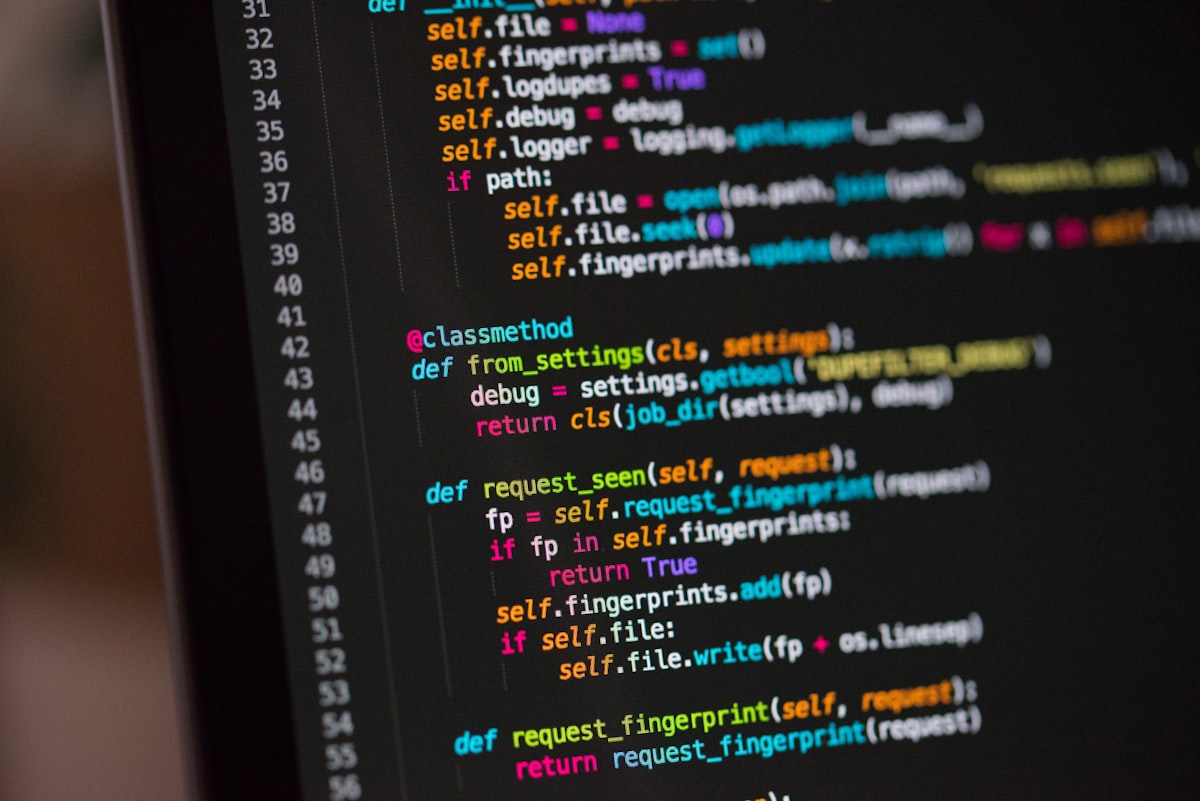
A useful program has a clear purpose, sensible variable names, consistent indentation and small logical steps. Avoid using a variable before assigning it. Keep input conversion separate from complex expressions when that makes the logic easier to inspect. Test code with more than one input. If output is wrong, verify the expected result first, then inspect inputs, conditions, loop limits and data types.
After the exercise, record one concrete takeaway and one error to revisit. Use teacher feedback and the current prescribed syllabus to keep preparation focused.
Prepare practical files and viva
Organise practical work according to teacher instructions and the current syllabus. For each program, record the aim, approach, code and sample input/output. Run the program yourself rather than copying output. Prepare to explain why a data type, condition or loop was selected and what would happen if an input changed. Check filenames, formatting and submission requirements before the deadline.
After the exercise, record one concrete takeaway and one error to revisit. Use teacher feedback and the current prescribed syllabus to keep preparation focused.
Need Class 11 subject tuition?
THE INFINITY COMPANY can help families enquire about subject-focused tuition and a study plan matched to the student’s needs.
Call: +91-7290007100