Confirm the vehicle maker’s charging requirements, parking permissions, electrical capacity and installation scope with a qualified electrician. Ask for testing, operating instructions and warranty details.
Why this matters
A clear process helps you compare options consistently and spot missing information before committing. Start by defining your goal, constraints and the details you still need to verify. Keep the checklist proportionate to the decision and use current, written information wherever possible.
Practical steps
Gather relevant records, requirements and written terms.
Compare options on the same criteria rather than relying on a headline claim.
Confirm uncertain details with the responsible provider or official source.
Record decisions, dates, responsibilities and follow-up actions.
Review the result and update your checklist next time.
Common mistakes to avoid
Avoid improvised wiring or extension-cord solutions. Have a qualified professional assess the installation and follow the vehicle and charger instructions.
Quick decision checklist
Is the scope or goal clear?
Have important terms been checked in writing?
Are costs, responsibilities and limitations understood?
Is there a sensible next step if the plan changes?
Begin with the checklist, identify the most important unknown and verify it before making a commitment.
Is general online advice enough?
Not always. Confirm case-specific requirements with the responsible organisation or a qualified professional when needed.
Next step
Save the checks relevant to your situation and explore the related resources on The Infinity Company. Before a formal or paid commitment, confirm scope, terms and responsibilities in writing.
Compare the registration details, service history, tyres, lights, warning indicators and visible body condition. Arrange an independent mechanic inspection and a safe road test before paying.
Why this matters
A clear process helps you compare options consistently and spot missing information before committing. Start by defining your goal, constraints and the details you still need to verify. Keep the checklist proportionate to the decision and use current, written information wherever possible.
Practical steps
Gather relevant records, requirements and written terms.
Compare options on the same criteria rather than relying on a headline claim.
Confirm uncertain details with the responsible provider or official source.
Record decisions, dates, responsibilities and follow-up actions.
Review the result and update your checklist next time.
Common mistakes to avoid
Avoid relying only on a polished exterior or verbal promises. Record defects and clarify unresolved repairs in writing.
Quick decision checklist
Is the scope or goal clear?
Have important terms been checked in writing?
Are costs, responsibilities and limitations understood?
Is there a sensible next step if the plan changes?
Begin with the checklist, identify the most important unknown and verify it before making a commitment.
Is general online advice enough?
Not always. Confirm case-specific requirements with the responsible organisation or a qualified professional when needed.
Next step
Save the checks relevant to your situation and explore the related resources on The Infinity Company. Before a formal or paid commitment, confirm scope, terms and responsibilities in writing.
Rain changes braking distances and visibility. Before driving, inspect tyres for adequate tread and damage, test wipers and washers, check all lights, and ensure the windscreen is clean inside and out. Follow the vehicle manual for maintenance and tyre pressure.
Practical steps to take
Start by writing down the current situation, the goal and any deadline. Compare options using the same criteria, confirm costs and conditions in writing, and keep relevant receipts or notes. If the issue involves safety, legal obligations or financial commitments, consult the appropriate official source or qualified professional rather than relying on a general online article.
Common mistakes to avoid
Making a decision before checking the full terms and likely extra costs.
Relying on verbal assurances when a written confirmation is available.
Ignoring deadlines, maintenance or follow-up after the initial decision.
Sharing personal information with unverified people or websites.
Quick checklist
Confirm the facts and requirements.
Compare at least two suitable options where possible.
Keep a record of decisions and important documents.
A dashcam can provide a useful record of road incidents and disputed insurance claims. Choose based on reliable footage, night performance, heat tolerance and secure installation—not resolution claims alone.
Features to compare
Look for clear front footage, loop recording, incident clip protection and a reliable G-sensor. A rear camera may help document traffic behind you. Check whether GPS and companion apps store location data and whether clips can be exported easily.
Storage and Indian weather
Use a high-endurance memory card recommended by the manufacturer. Check the device’s operating-temperature range because parked cars can become very hot. Format the card as instructed and periodically confirm that recording still works.
Installation and privacy
Route cables away from airbags and pedals. Have hardwiring completed by a qualified installer to avoid battery drain or interference with vehicle systems. Keep recordings private and share only relevant clips.
Before buying
Review real day and night sample footage.
Check warranty, service support and card compatibility.
A dashcam can provide a useful record of road incidents, unexpected damage and disputed insurance claims. The best choice is not necessarily the model with the highest advertised resolution: reliability, night footage, heat tolerance and secure installation matter just as much.
Features worth comparing
Look for clear front-camera footage, readable number plates in realistic conditions, a wide but not excessively distorted field of view, loop recording and a reliable G-sensor that protects incident clips. A rear camera is useful for recording traffic behind the vehicle. GPS can record location and speed, but check how the app stores and exports that data.
Storage and Indian weather
Use a high-endurance microSD card designed for continuous recording and follow the manufacturer’s capacity limit. Cabin temperatures can become extreme in summer, so check the operating-temperature specification and avoid leaving a loose device or battery-powered accessory exposed to direct sunlight. Format the card periodically as recommended.
Installation and privacy
Route wires away from airbags and pedals. Have hardwiring and parking-mode installation completed by a qualified installer; incorrect wiring can drain the battery or interfere with vehicle systems. Keep recordings private, share only relevant clips and avoid posting identifiable footage of other road users unnecessarily.
Before you buy
Check sample footage from day, night and rain.
Confirm warranty, service availability and card compatibility.
Ask whether parking mode requires a separate hardwire kit.
Test that files can be exported without a paid cloud subscription.
Battery condition, charging, warranty, real-world range and total ownership cost matter more than a single advertised range figure. This guide summarises practical checks to help you make a more informed decision.
What to know before you start
Start by defining the outcome you want and the constraints that matter most. Check reliable, current information and make sure the option fits your circumstances rather than relying on a headline or trend alone.
Practical steps that make a difference
Break the task into small steps, keep a written record of key decisions and compare options using the same criteria. Where tools or services are involved, check their terms, privacy practices and limitations before relying on them.
Common mistakes to avoid
Avoid rushed decisions, unsupported promises and advice that cannot be verified. Protect personal information, confirm prices or rules with the responsible provider and ask a qualified professional when the consequences could be significant.
A simple checklist
Verify key facts and dates; compare costs and trade-offs; keep confirmations or records; review the result and adjust the plan when new information becomes available.
Frequently asked question
What is the best next step? Start with a small, low-risk action, verify important details using trusted sources and review whether the approach is working for your needs.
Electric vehicles are becoming a more visible choice for Indian commuters, but the right EV depends on how you travel, where you can charge and what you expect to spend over several years. Do not compare vehicles on purchase price or claimed range alone.
Quick takeaway: Focus on verified information, realistic expectations and a plan that suits your circumstances. Rules, prices and availability can change, so confirm important details before acting.
Start with your daily driving pattern
Estimate your normal daily distance and occasional longer journeys. Check the usable battery capacity, real-world range reports for similar weather and traffic, warranty terms, and whether the vehicle has enough range for your routine with a sensible reserve.
Check charging before you buy
If you live in an apartment, confirm whether home charging is permitted and what installation may cost. Map public chargers on your regular routes and verify connector compatibility, charging speed, access hours and payment method. A charger shown on an app may be unavailable or occupied.
Compare total ownership cost
Include insurance, tyres, maintenance, home-charger installation, electricity tariffs and any applicable incentives. Compare the exact variant and written on-road quote; incentives and rules can change by state and date.
Make a practical test-drive checklist
Test seating, visibility, boot space, ride quality and regenerative braking. Ask for battery-warranty conditions in writing and understand what happens if you need roadside assistance.
Final checklist
Verify key facts and terms before committing.
Compare options using your own needs and budget.
Keep written records of important decisions and agreements.
THE INFINITY COMPANY
Need Help or More Information?
Contact The Infinity Company for relevant service enquiries and assistance.
A practical checklist for comparing electric cars in India, including real-world range, charging access, battery warranty, running costs and ownership needs. This guide offers practical steps for making a more informed decision. Adapt the checklist to your own circumstances and verify any legal, financial, health or technical requirements through the relevant official source or qualified professional.
Start with your daily driving pattern
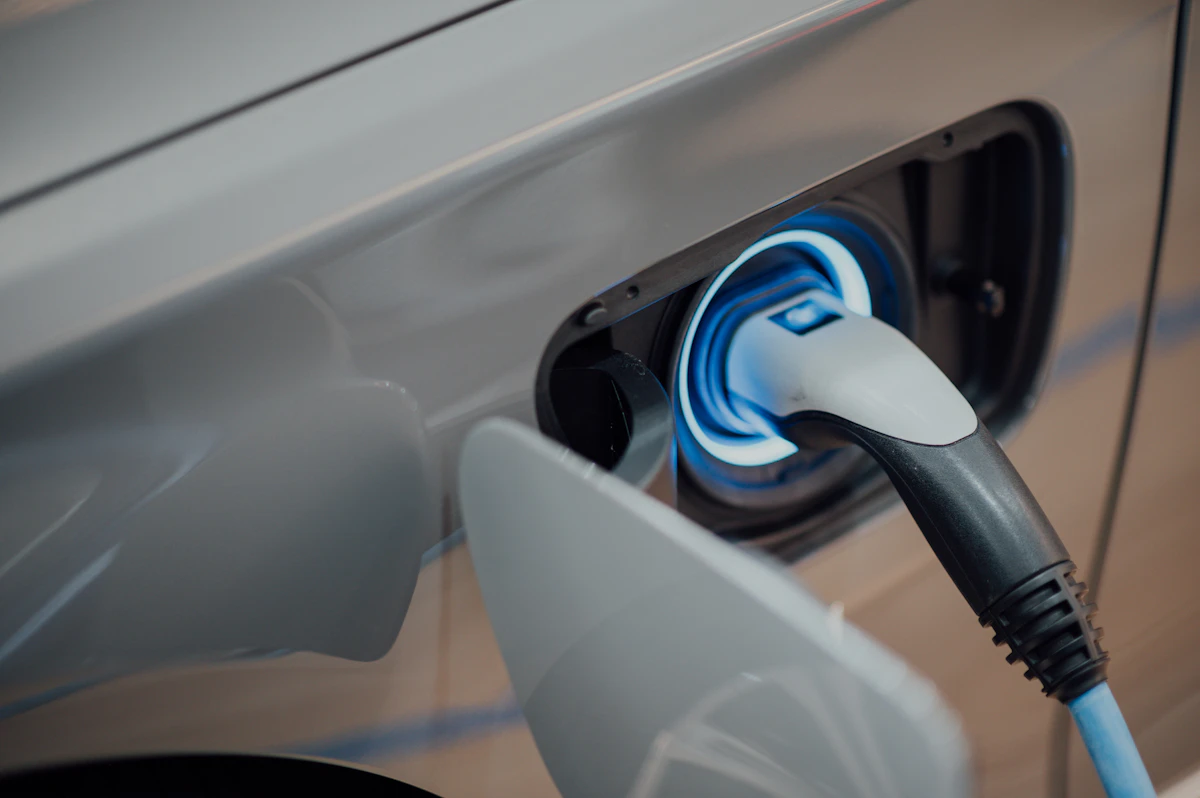
Electric car charging — illustrative image.
Estimate your normal daily kilometres, weekend trips and longest regular journey before comparing electric cars. Advertised range is measured under test conditions; actual range can vary with speed, air conditioning, temperature, load, terrain and driving style. Choose a vehicle that leaves a practical buffer for your routine rather than relying on the maximum figure in a brochure.
Check charging access before buying
EV connected to a charging station — illustrative image.
Home charging can be convenient when parking and electrical installation allow it. Apartment residents should confirm permissions, wiring capacity, metering and installation costs. For public charging, map stations on the routes you actually use and check connector compatibility, operating hours and payment methods. A charger appearing on a map does not guarantee that it is available or working.
Compare the total cost of ownership
Calculator and financial planning — illustrative image.
Compare the on-road price, financing, insurance, charging equipment, electricity, servicing, tyres, battery warranty and expected resale value. Fuel savings alone do not establish which car is cheaper; your annual distance, electricity tariff and purchase price matter. Ask for a written quotation and review current incentives or registration rules through official sources before including them in calculations.
Final inspection checklist
Car parked outdoors — illustrative image.
Take a test drive in city traffic and at highway speeds where possible. Check visibility, boot space, rear-seat comfort, safety equipment, warranty exclusions, roadside assistance and service access in your area. Ask what battery capacity warranty means and how battery health is assessed. This guide is general information; confirm specifications and terms with the manufacturer and authorised dealer.
Final checklist
Review the details before making your next decision.
Write down your priorities, compare options using the same criteria, confirm important details directly with the relevant provider and keep records of agreements. Revisit the plan when your needs change rather than relying on assumptions or outdated information. The Infinity Company shares practical guides to help readers make more informed decisions.
About this guide: This article is for general informational purposes. Product terms, local rules and individual circumstances may differ; verify important details before acting.
Tyre safety affects braking, steering, stability and wet-weather grip. This practical guide explains how to check pressure, spot damage, understand tread wear, choose suitable replacements and prepare tyres for Indian road and weather conditions.
Contents
Regular checks help identify tyre problems before a journey.
Why tyre condition matters: practical guidance for safer tyre ownership.
Tyres are the vehicle’s contact with the road, so their condition affects braking, steering, stability, comfort and fuel use. Worn, damaged or incorrectly inflated tyres can reduce grip, particularly on wet roads, and may increase the chance of a failure. Tyre safety is not only about tread depth: pressure, age, sidewall condition, load, wheel alignment and the spare tyre also matter. Check the vehicle handbook and tyre placard for the specifications that apply to your car rather than relying on a generic number shared online.
Use the vehicle owner’s manual and tyre manufacturer guidance as the primary reference for specifications and maintenance intervals. If you see structural damage, experience repeated pressure loss or notice a sudden change in handling, seek a qualified inspection instead of relying on guesswork.
Find the correct tyre pressure for your car
Find the correct tyre pressure for your car: practical guidance for safer tyre ownership.
Use the pressure shown on the vehicle’s tyre-information label or in the owner’s manual. The recommended figure may differ between front and rear tyres, between normal and heavy loads, or for certain wheel sizes. Do not use the maximum pressure printed on the tyre sidewall as the normal vehicle setting; that marking is not a substitute for the manufacturer’s recommendation. If the label is missing, consult the manufacturer or authorised service provider using the exact model, variant and tyre specification.
Use the vehicle owner’s manual and tyre manufacturer guidance as the primary reference for specifications and maintenance intervals. If you see structural damage, experience repeated pressure loss or notice a sudden change in handling, seek a qualified inspection instead of relying on guesswork.
Check pressure when tyres are cold
Check pressure when tyres are cold: practical guidance for safer tyre ownership.
Tyre pressure rises as the tyre warms during driving. For a consistent reading, measure pressure before a long journey or after the vehicle has been parked long enough for tyres to cool, following the vehicle manual’s guidance. If you must check a warm tyre, do not release air simply to match a cold-pressure figure; recheck when cold. Use a reliable gauge or a properly maintained inflator, and compare readings periodically because service-station gauges can vary in accuracy.
Use the vehicle owner’s manual and tyre manufacturer guidance as the primary reference for specifications and maintenance intervals. If you see structural damage, experience repeated pressure loss or notice a sudden change in handling, seek a qualified inspection instead of relying on guesswork.
Understand underinflation and overinflation
Understand underinflation and overinflation: practical guidance for safer tyre ownership.
Underinflation can cause excessive flexing, heat build-up, shoulder wear and poorer efficiency. Overinflation can reduce the contact patch in some conditions and contribute to uneven wear or a harsher ride. Neither condition should be corrected by guesswork. Adjust pressure to the vehicle maker’s specification and the load condition described in the manual. A tyre that repeatedly loses pressure needs inspection for a puncture, valve problem, bead leak or wheel damage rather than repeated inflation alone.
Use the vehicle owner’s manual and tyre manufacturer guidance as the primary reference for specifications and maintenance intervals. If you see structural damage, experience repeated pressure loss or notice a sudden change in handling, seek a qualified inspection instead of relying on guesswork.
Inspect tread depth and wear patterns
Inspect tread depth and wear patterns: practical guidance for safer tyre ownership.
Tread channels help move water away from the tyre-road contact area. As tread wears, wet-weather performance can decline. Look for tread-wear indicators built into the tyre and use a suitable tread-depth gauge if you need a measurement. Follow the tyre maker’s and vehicle maker’s replacement guidance, as well as applicable legal requirements. Uneven wear may reveal a pressure, alignment, suspension or rotation issue. A visual check should cover the full accessible width of each tyre, not just the outer shoulder.
Use the vehicle owner’s manual and tyre manufacturer guidance as the primary reference for specifications and maintenance intervals. If you see structural damage, experience repeated pressure loss or notice a sudden change in handling, seek a qualified inspection instead of relying on guesswork.
Recognise sidewall damage and bulges
Recognise sidewall damage and bulges: practical guidance for safer tyre ownership.
Look for cuts, cracks, exposed cords, deep abrasions, punctures near the sidewall and bulges. A bulge can indicate internal structural damage and should be treated seriously; do not continue normal driving on a tyre with a suspected structural failure. Avoid probing damage with sharp objects. If you are uncertain, have the tyre inspected by a qualified professional. A tyre that appears to hold air can still be unsafe if its internal structure has been compromised.
Use the vehicle owner’s manual and tyre manufacturer guidance as the primary reference for specifications and maintenance intervals. If you see structural damage, experience repeated pressure loss or notice a sudden change in handling, seek a qualified inspection instead of relying on guesswork.
Know when a puncture can be repaired
Know when a puncture can be repaired: practical guidance for safer tyre ownership.
Repairability depends on puncture location, size, tyre type, internal condition and the repair method permitted by the tyre manufacturer and applicable standards. Damage in the shoulder or sidewall is generally not treated like a small repairable puncture in the tread area. A proper assessment may require removing the tyre from the wheel to inspect its inside. Avoid relying solely on an external plug or sealant without understanding its limitations. Ask the technician to explain whether the tyre is safe to repair or should be replaced.
Use the vehicle owner’s manual and tyre manufacturer guidance as the primary reference for specifications and maintenance intervals. If you see structural damage, experience repeated pressure loss or notice a sudden change in handling, seek a qualified inspection instead of relying on guesswork.
Check tyre age and manufacturing date
Check tyre age and manufacturing date: practical guidance for safer tyre ownership.
Tyres age through use, heat, sunlight, storage and environmental exposure, even when tread remains. Read the tyre’s date code and consult the tyre manufacturer for its guidance on inspection and service life. Do not use a single universal age threshold as a guarantee that a tyre is safe or unsafe; condition, storage, usage and manufacturer advice matter. If the date code is unclear or a tyre is unusually old, cracked or hardened, ask a qualified tyre professional to assess it.
Use the vehicle owner’s manual and tyre manufacturer guidance as the primary reference for specifications and maintenance intervals. If you see structural damage, experience repeated pressure loss or notice a sudden change in handling, seek a qualified inspection instead of relying on guesswork.
Choose replacement tyres with the correct specification
Choose replacement tyres with the correct specification: practical guidance for safer tyre ownership.
Confirm the size, load index, speed rating, construction and other requirements stated by the vehicle manufacturer. A different tyre size can affect clearance, speedometer readings, handling and compatibility with wheels or electronic systems. Do not choose a replacement solely because it is cheaper or has an attractive tread pattern. If considering an alternate size, obtain confirmation from the vehicle maker or an authorised specialist that it is approved for the exact vehicle and wheel setup.
Use the vehicle owner’s manual and tyre manufacturer guidance as the primary reference for specifications and maintenance intervals. If you see structural damage, experience repeated pressure loss or notice a sudden change in handling, seek a qualified inspection instead of relying on guesswork.
Understand load index and speed rating
Understand load index and speed rating: practical guidance for safer tyre ownership.
The load index indicates the maximum load a tyre is designed to carry under specified conditions, while the speed symbol relates to a defined speed capability under standardised conditions. The tyre must be suitable for the vehicle and its intended use. Do not downgrade specifications casually or assume that a higher rating automatically makes a tyre the best choice. Follow the vehicle manufacturer’s minimum requirements and ask a qualified supplier to confirm compatibility, including for temporary spare tyres.
Use the vehicle owner’s manual and tyre manufacturer guidance as the primary reference for specifications and maintenance intervals. If you see structural damage, experience repeated pressure loss or notice a sudden change in handling, seek a qualified inspection instead of relying on guesswork.
Replace tyres in matched sets where appropriate
Replace tyres in matched sets where appropriate: practical guidance for safer tyre ownership.
Tyres on the same axle should meet the vehicle manufacturer’s compatibility requirements for size, construction and specification. Mixing very different tread patterns, wear levels or tyre types can affect handling. If replacing only two tyres, ask the vehicle maker or tyre specialist about the correct placement; guidance often considers keeping the tyres with better wet grip on the rear, but vehicle-specific advice should prevail. For all-wheel-drive vehicles, differences in rolling circumference can be especially important, so check the manual before replacing only one tyre.
Use the vehicle owner’s manual and tyre manufacturer guidance as the primary reference for specifications and maintenance intervals. If you see structural damage, experience repeated pressure loss or notice a sudden change in handling, seek a qualified inspection instead of relying on guesswork.
Know when wheel alignment is needed
Know when wheel alignment is needed: practical guidance for safer tyre ownership.
Alignment concerns the angles of the wheels relative to the vehicle and road. Signs that an inspection may be needed include uneven tread wear, a steering wheel that sits off-centre on a straight road, or a vehicle that pulls to one side. Road camber, tyre pressure and suspension problems can produce similar symptoms, so alignment should not be assumed to be the only cause. Ask the workshop to check relevant suspension components and provide the before-and-after measurements if alignment work is performed.
Use the vehicle owner’s manual and tyre manufacturer guidance as the primary reference for specifications and maintenance intervals. If you see structural damage, experience repeated pressure loss or notice a sudden change in handling, seek a qualified inspection instead of relying on guesswork.
Balance wheels to reduce vibration
Balance wheels to reduce vibration: practical guidance for safer tyre ownership.
Wheel balancing addresses uneven weight distribution in the wheel-and-tyre assembly. Imbalance can produce vibration at particular speeds and contribute to discomfort or component wear. If vibration appears after tyre replacement, wheel repair or a pothole impact, ask a professional to inspect balancing and check for bent wheels or tyre damage. Do not ignore sudden or severe vibration, especially if it is accompanied by pulling, noise or a visible defect; stop safely and seek assistance.
Use the vehicle owner’s manual and tyre manufacturer guidance as the primary reference for specifications and maintenance intervals. If you see structural damage, experience repeated pressure loss or notice a sudden change in handling, seek a qualified inspection instead of relying on guesswork.
Rotate tyres according to the vehicle manual
Rotate tyres according to the vehicle manual: practical guidance for safer tyre ownership.
Tyre rotation can help manage wear, but the correct pattern depends on tyre type, directional tread, staggered wheel sizes, drivetrain and manufacturer instructions. Some vehicles have different front and rear sizes, and some tyres must remain on a specified side or direction. Follow the service schedule rather than applying one rotation pattern to every car. During rotation, inspect pressure, tread and damage, and record the mileage so wear trends can be compared over time.
Use the vehicle owner’s manual and tyre manufacturer guidance as the primary reference for specifications and maintenance intervals. If you see structural damage, experience repeated pressure loss or notice a sudden change in handling, seek a qualified inspection instead of relying on guesswork.
Check the spare tyre and repair kit
Check the spare tyre and repair kit: practical guidance for safer tyre ownership.
A spare tyre may lose pressure while stored and can be overlooked for months. Check its pressure and condition according to the manual, and confirm that the jack, wheel wrench, locking-wheel-nut key and other required tools are present. Some vehicles have a temporary spare with speed and distance restrictions; others provide a sealant and compressor kit or no spare. Learn the supplied system before an emergency and replace sealant cartridges according to their expiry guidance.
Use the vehicle owner’s manual and tyre manufacturer guidance as the primary reference for specifications and maintenance intervals. If you see structural damage, experience repeated pressure loss or notice a sudden change in handling, seek a qualified inspection instead of relying on guesswork.
Drive carefully on Indian roads and in monsoon conditions
Drive carefully on Indian roads and in monsoon conditions: practical guidance for safer tyre ownership.
Potholes, road debris, high temperatures, standing water and construction zones can increase tyre stress. Reduce speed on damaged surfaces and avoid sudden steering or braking where possible. Wet-road grip depends on tread condition, tyre design, speed and water depth; no tyre makes it safe to drive quickly through deep water. If you hit a severe pothole, check for pressure loss, bulges, steering changes or vibration when safe, and arrange an inspection if anything seems abnormal.
Use the vehicle owner’s manual and tyre manufacturer guidance as the primary reference for specifications and maintenance intervals. If you see structural damage, experience repeated pressure loss or notice a sudden change in handling, seek a qualified inspection instead of relying on guesswork.
Avoid overloading the vehicle
Avoid overloading the vehicle: practical guidance for safer tyre ownership.
Exceeding the vehicle’s permitted load can stress tyres, brakes and suspension. Check the vehicle’s load limits and account for passengers, luggage, roof carriers and accessories. Do not assume that raising tyre pressure beyond the recommended load setting makes an overloaded car safe. For heavy travel loads, follow the manufacturer’s specific pressure guidance and ensure that cargo is secured. If the vehicle’s permissible limits are unclear, consult the manual or authorised service provider before travelling.
Use the vehicle owner’s manual and tyre manufacturer guidance as the primary reference for specifications and maintenance intervals. If you see structural damage, experience repeated pressure loss or notice a sudden change in handling, seek a qualified inspection instead of relying on guesswork.
Understand tyre noise, heat and warning signs
Understand tyre noise, heat and warning signs: practical guidance for safer tyre ownership.
Changes in noise, vibration, handling or pressure deserve attention. A thumping sound may indicate damage or an object in the tread; vibration can relate to balance, wheel damage or tyre defects. A tyre-pressure monitoring system, if fitted, is helpful but does not replace visual checks and correct pressure measurements. If a warning appears, follow the vehicle manual and stop at a safe place when the symptoms suggest a serious fault. Do not attempt roadside repairs in a live traffic lane.
Use the vehicle owner’s manual and tyre manufacturer guidance as the primary reference for specifications and maintenance intervals. If you see structural damage, experience repeated pressure loss or notice a sudden change in handling, seek a qualified inspection instead of relying on guesswork.
Use tyre sealants and inflators correctly
Use tyre sealants and inflators correctly: practical guidance for safer tyre ownership.
Sealants and portable inflators can be useful emergency tools when the vehicle maker supplies or approves them, but they are not suitable for every puncture or tyre. Read the instructions and note any driving speed, distance and follow-up inspection limits. Tell the repair shop if sealant has been used because it may affect inspection and cleaning. Never treat an emergency repair as a permanent solution unless a qualified professional confirms that the tyre can be safely returned to service.
Use the vehicle owner’s manual and tyre manufacturer guidance as the primary reference for specifications and maintenance intervals. If you see structural damage, experience repeated pressure loss or notice a sudden change in handling, seek a qualified inspection instead of relying on guesswork.
Buy tyres from a reputable seller
Buy tyres from a reputable seller: practical guidance for safer tyre ownership.
Check that the seller supplies the correct specification, a proper invoice and products with identifiable markings. Ask about manufacturing date, warranty terms, installation, balancing and disposal of old tyres. Be cautious of unusually low prices, damaged packaging, unclear provenance or pressure to pay without documentation. Verify the seller and warranty route independently. A genuine tyre fitted incorrectly or used at the wrong pressure can still be unsafe, so installation quality matters as much as the purchase itself.
Use the vehicle owner’s manual and tyre manufacturer guidance as the primary reference for specifications and maintenance intervals. If you see structural damage, experience repeated pressure loss or notice a sudden change in handling, seek a qualified inspection instead of relying on guesswork.
Understand warranty and replacement records
Understand warranty and replacement records: practical guidance for safer tyre ownership.
Keep invoices, tyre details, installation dates, mileage and any inspection reports. Read the warranty terms to understand coverage, exclusions and the process for reporting a defect. Wear, road damage, improper inflation and misalignment may be treated differently from manufacturing defects. Do not assume a warranty will cover every failure. Ask the seller to record the exact tyre specification and any advice provided, and retain photographs of damage when useful and safe to take.
Use the vehicle owner’s manual and tyre manufacturer guidance as the primary reference for specifications and maintenance intervals. If you see structural damage, experience repeated pressure loss or notice a sudden change in handling, seek a qualified inspection instead of relying on guesswork.
Create a simple monthly tyre checklist
Create a simple monthly tyre checklist: practical guidance for safer tyre ownership.
Once a month, check pressure when tyres are cold, inspect tread and sidewalls, look for embedded objects and check the spare or emergency kit. Before a long trip, repeat the checks and confirm pressure for the planned load according to the manual. If you notice uneven wear, repeated pressure loss, vibration or damage, arrange professional inspection. The routine should take only a few minutes but can reveal issues before they become urgent. Adjust frequency to usage, road conditions and manufacturer guidance.
Use the vehicle owner’s manual and tyre manufacturer guidance as the primary reference for specifications and maintenance intervals. If you see structural damage, experience repeated pressure loss or notice a sudden change in handling, seek a qualified inspection instead of relying on guesswork.
What to do if a tyre fails while driving
What to do if a tyre fails while driving: practical guidance for safer tyre ownership.
If you experience a sudden tyre problem, keep a firm grip on the steering wheel, avoid abrupt braking or sharp steering and ease off the accelerator while maintaining control. Move to a safe stopping location when possible, activate hazard lights and keep occupants away from traffic. Follow the vehicle manual and contact roadside assistance if you cannot change the wheel safely. Do not stop in a dangerous lane to inspect a tyre. If the vehicle becomes unstable, prioritise control and safety over protecting the wheel.
Use the vehicle owner’s manual and tyre manufacturer guidance as the primary reference for specifications and maintenance intervals. If you see structural damage, experience repeated pressure loss or notice a sudden change in handling, seek a qualified inspection instead of relying on guesswork.
Frequently asked questions about car tyres
Frequently asked questions about car tyres: practical guidance for safer tyre ownership.
Should tyre pressure be checked every day? Follow the vehicle maker’s schedule and check before long journeys; frequent use or changing conditions may require more checks. Can a tyre with good tread still be unsafe? Yes, damage, ageing, incorrect pressure or internal defects can make it unsafe. Can all punctures be repaired? No; location, size and internal condition matter. Should tyres be replaced in pairs? It depends on wear, vehicle configuration and manufacturer guidance. Is the sidewall maximum pressure the normal setting? No; use the vehicle’s recommended pressure information.
Use the vehicle owner’s manual and tyre manufacturer guidance as the primary reference for specifications and maintenance intervals. If you see structural damage, experience repeated pressure loss or notice a sudden change in handling, seek a qualified inspection instead of relying on guesswork.
A practical pre-trip tyre safety checklist
A practical pre-trip tyre safety checklist: practical guidance for safer tyre ownership.
Before travelling, confirm recommended cold pressure for the expected load, inspect tread and sidewalls, verify that the spare or repair kit is ready and check for warning lights. After an impact or if the car pulls, vibrates or loses pressure, arrange inspection before continuing a long journey. Ensure that any replacement matches the vehicle’s required specification. Use a qualified tyre professional for repairs and alignment, and consult the owner’s manual when advice differs. Never rely on a visual inspection alone when a tyre may have structural damage.
Use the vehicle owner’s manual and tyre manufacturer guidance as the primary reference for specifications and maintenance intervals. If you see structural damage, experience repeated pressure loss or notice a sudden change in handling, seek a qualified inspection instead of relying on guesswork.
Final advice for safer tyre ownership
Final advice for safer tyre ownership: practical guidance for safer tyre ownership.
Keep a record of pressure checks, rotations, repairs and replacements. Address repeated pressure loss and uneven wear instead of repeatedly treating symptoms. Choose tyres to the vehicle specification, inspect them regularly and slow down when road or weather conditions are poor. If you need guidance, use the vehicle maker’s manual and a reputable tyre specialist. For general business enquiries, visit The Infinity Company or use its official WhatsApp contact.
Use the vehicle owner’s manual and tyre manufacturer guidance as the primary reference for specifications and maintenance intervals. If you see structural damage, experience repeated pressure loss or notice a sudden change in handling, seek a qualified inspection instead of relying on guesswork.
Related guidance and contact
Choose qualified service support when inspection or repair is needed.
Battery condition is one of the most important factors when evaluating an electric vehicle. Use this guide to assess range, charging, warranty coverage and the checks that matter before buying a used EV.
Quick answer: how to assess an EV battery
Quick answer: how to assess an EV battery
When evaluating an electric car, consider the battery’s usable capacity, real-world range, charging behaviour, warranty terms, service history and diagnostic results—not just the dashboard range estimate. For a used EV, request a manufacturer or qualified workshop battery-health report, check for warning lights and charging faults, and compare observed range with the vehicle’s age, mileage, weather and usage. Range estimates vary with speed, air-conditioning, terrain, payload and driving style. A test drive is useful, but it cannot replace a proper battery-system inspection.
Contents and how to use this guide
Contents and how to use this guide
This guide explains battery health, range, charging, degradation, warranties, inspection, ownership costs and used-EV buying risks in India. Specifications and warranty conditions differ by make, model, model year and market, so confirm details from the exact vehicle’s owner manual and written warranty. Do not treat general charging advice as a substitute for manufacturer instructions. For a high-value used purchase, arrange an independent inspection by a technician familiar with that EV’s high-voltage system.
What battery health actually means
What battery health actually means
Battery health broadly describes how much usable energy a battery can store and deliver compared with when it was new, alongside its ability to operate safely and reliably. A battery can show reduced capacity without being unsafe, while faults in cooling, wiring, sensors or charging systems may need attention even if range appears normal. Some vehicles display a state-of-health estimate; others require diagnostic equipment. Ask what the reported figure measures and whether the method is manufacturer-supported. Avoid comparing numbers from different diagnostic tools as if they were identical.
Understand range estimates versus real-world range
Understand range estimates versus real-world range
The range shown on a dashboard is an estimate based on available energy and recent or predicted consumption. It can change after highway driving, traffic, hills, air-conditioning use or a change in driving style. Compare the vehicle’s actual energy consumption and distance over a representative route rather than judging it from a single parked estimate. For a used EV, consider your regular commute, occasional long journeys, passenger load and charging access. Choose a car that meets your practical needs with a reasonable reserve, not one that barely covers the best-case trip.
Battery degradation: what influences it?
Battery degradation: what influences it?
Capacity loss can be influenced by calendar age, temperature exposure, time spent at very high or very low charge, charging patterns, energy throughput and battery chemistry. The impact differs across models and conditions, so no single percentage or annual decline applies to every EV. A vehicle used mostly for short, moderate-speed journeys may have a different history from one driven intensively on highways. Ask about the vehicle’s service records and charging history where available, but remember that seller recollections are not a substitute for diagnostic evidence.
Charging habits for everyday ownership
Charging habits for everyday ownership
Follow the manufacturer’s recommended charging practices and settings. Many EVs allow owners to set a daily charge target and schedule charging, but the suitable target depends on the model and battery chemistry. There is no universal percentage rule that applies to every vehicle. Avoid routinely ignoring warnings or leaving a vehicle at an extreme state of charge for prolonged periods if the manual advises otherwise. For a long trip, use the charging level and preparation recommended by the manufacturer and plan stops around the actual route and available infrastructure.
AC home charging and DC fast charging
AC home charging and DC fast charging
AC charging is commonly used at home or at a destination, while DC fast charging can add energy more quickly at compatible stations. Actual charging speed depends on the car’s maximum acceptance rate, battery temperature, state of charge, charger output and site conditions. A charger labelled with a high power rating does not guarantee that the vehicle will charge at that rate. Review the owner manual for connector compatibility, charging limits and precautions. Use correctly installed equipment and avoid improvised wiring or damaged charging cables.
Plan charging around Indian conditions
Plan charging around Indian conditions
Heat, monsoon rain, traffic, apartment parking rules and local electricity supply can affect charging plans. Follow the vehicle and charger manufacturers’ guidance for operation in hot weather and wet conditions. Do not handle damaged high-voltage equipment or attempt repairs after water exposure. If you live in an apartment, obtain permission and confirm electrical load, metering, installation standards and billing arrangements before purchasing the car. For road trips, identify compatible chargers, operating hours and backup options rather than assuming every station will be available or functioning.
Battery warranty: read the exact terms
Battery warranty: read the exact terms
Check the battery warranty duration and distance limit, the definition of covered failure or capacity loss, exclusions, transferability and the process for making a claim. Some warranties specify a minimum capacity threshold or use model-specific conditions. Confirm whether the warranty follows the vehicle after resale and whether service records or maintenance requirements affect eligibility. Ask the authorised service centre to verify coverage against the vehicle identification number. A salesperson’s verbal statement is not enough; obtain the relevant warranty booklet or written confirmation.
Ask for a battery-health diagnostic report
Ask for a battery-health diagnostic report
For a used EV, request a recent report from an authorised service centre or a qualified independent EV specialist. Ask which diagnostic method was used, the date, measured or estimated state of health, fault codes and any limitations. Confirm whether the report covers only battery capacity or also the battery management system, thermal management and charging operation. If the seller refuses a reasonable inspection, treat that as a risk signal. Do not rely solely on a generic plug-in scanner unless it is compatible with the vehicle and the technician can interpret the results.
Inspect service history and fault records
Inspect service history and fault records
Review service invoices, recall or software-update records, charging complaints, battery or coolant repairs and any high-voltage warnings. Ask whether the vehicle has experienced flooding, collision damage, underbody impact or battery-pack repair. Verify claims with authorised service records where possible. A clean dashboard at the moment of inspection does not prove that no intermittent fault exists. Have a qualified technician assess any repaired battery enclosure, unusual noises, warning messages or unexplained charging interruptions before completing the purchase.
Check charging performance during a test
Check charging performance during a test
If practical and safe, observe the car charging at a compatible known-good station. Confirm that the connector locks correctly, charging begins without repeated errors and the displayed power is plausible for the car’s state of charge and conditions. Do not expect peak power throughout the session: charging often slows as the battery fills or if temperature limits apply. Review the charging port for damage and check that the supplied portable charger and cables, if included, are genuine and in suitable condition. Do not touch exposed electrical components.
Evaluate the battery during a test drive
Evaluate the battery during a test drive
Drive a representative route with urban and faster sections where safe. Watch for warning messages, abnormal power limitations, unexpected shutdowns or charging-related alerts. Compare energy consumption and estimated remaining range before and after the drive, but account for route, traffic, temperature and air-conditioning. A short test drive cannot reliably establish long-term battery health. If the range drops unusually quickly or the car behaves inconsistently, ask for a diagnostic evaluation before purchase rather than accepting a seller’s explanation without evidence.
Look for accident, flood and underbody damage
Look for accident, flood and underbody damage
The battery pack may be mounted beneath the vehicle, so underbody impacts and flooding deserve careful attention. Ask about accident and water-damage history and have the underside inspected by a technician using the manufacturer’s safe procedures. Warning signs may include damaged shielding, corrosion, unexplained repairs or water-related electrical faults, but visual inspection alone cannot certify a battery as safe. Do not crawl beneath an unsupported vehicle or inspect high-voltage components yourself. If significant damage is suspected, obtain specialist assessment and written findings.
Check software, recalls and connected features
Check software, recalls and connected features
Ask the authorised service centre to check for open recalls, service campaigns and relevant software updates. Battery management and charging behaviour may depend partly on vehicle software, so confirm the car is operating with supported versions. Test the charging schedule, mobile app, navigation to charging stations and any battery preconditioning feature where equipped. Confirm that connected services can be transferred to the new owner and that the seller’s account and personal data are removed properly. Features differ across models and may require subscriptions or network connectivity.
Calculate ownership cost beyond the purchase price
Calculate ownership cost beyond the purchase price
Compare the purchase price with expected charging, insurance, tyres, routine servicing, repairs, financing and depreciation. Home charging costs depend on the applicable tariff and charging losses; public fast charging may cost more per unit of energy. Include installation costs and apartment or parking arrangements. Do not assume that every EV has negligible maintenance costs or that every battery replacement is required after a fixed number of years. Use model-specific service estimates and realistic annual kilometres to compare total ownership cost with alternatives.
Home charging readiness before buying
Home charging readiness before buying
Check whether you have a safe, practical place to park and charge regularly. Ask an appropriately qualified electrician and the vehicle or charger provider to assess supply capacity, earthing, protective devices, cable routing and installation requirements. Confirm landlord, housing-society or building permissions where applicable. Avoid running a high-load charger through unsuitable extension cords or unverified sockets. If home charging is not possible, map reliable public chargers near home, work and common routes and consider how queues, access hours or station outages would affect your routine.
Battery replacement and repair questions
Battery replacement and repair questions
Battery repair and replacement options depend on the vehicle, fault, component availability, warranty and manufacturer policy. A full-pack replacement is not the only possible service outcome, but neither should a seller promise that a complex fault will be inexpensive to fix. Obtain a written estimate from an authorised or appropriately qualified service provider and ask what the quote includes, the expected timeline and any warranty on the repair. Never attempt a DIY high-voltage repair. A battery warning or suspected pack damage requires professional assessment.
Common EV battery myths to avoid
Common EV battery myths to avoid
Avoid claims that every battery loses the same percentage each year, that fast charging always damages a battery, that a full charge is always harmful or that dashboard range alone proves capacity. Effects depend on chemistry, thermal management, use, software and manufacturer recommendations. Also avoid assuming that a vehicle with low kilometres necessarily has a healthy battery; calendar age and storage conditions matter too. Ask for model-specific evidence and distinguish a general rule of thumb from a contractual warranty condition or measured diagnostic result.
A used EV battery inspection checklist
A used EV battery inspection checklist
Before paying, verify the vehicle identity and warranty, review service and accident records, request a battery-health diagnostic, inspect charging equipment and ports, check for warning messages, test charging where practical, drive a representative route and obtain a specialist inspection if anything is unclear. Confirm that all keys, cables and accessories are included and that connected accounts can be transferred. Record any agreed repairs in writing and do not release the full payment until the ownership transfer and sale conditions are clear.
Frequently asked questions
Frequently asked questions
**Can dashboard range prove battery health?** No; it is an estimate affected by recent use and conditions. **Is fast charging always bad?** Not universally; follow the model’s guidance and consider actual usage. **Should I buy an EV without a battery report?** Consider making an independent diagnostic a condition of purchase. **Does a battery warranty transfer to a second owner?** Check the exact written terms. **Can I inspect the high-voltage pack myself?** No; leave high-voltage inspection and repairs to trained professionals.
Official resources and further reading
Official resources and further reading
Use the vehicle manufacturer’s owner manual, warranty booklet and authorised service network for model-specific battery guidance. For Indian vehicle and transport information, consult the Ministry of Road Transport and Highways at https://morth.nic.in/ and the Bureau of Energy Efficiency at https://beeindia.gov.in/. Charging-network availability and pricing change, so verify station status and terms through the operator’s official app before a trip. This guide is general information, not a technical certification of any individual vehicle.
Connect with The Infinity Company
Connect with The Infinity Company
For general business enquiries, contact The Infinity Company and describe the information or service you need. Verify providers and terms independently before making a commitment. Do not share OTPs, passwords or banking credentials in an enquiry.
Understand charging curves and cold or hot battery limits
Understand charging curves and cold or hot battery limits
Charging speed is not constant from an empty battery to a full one. The vehicle may accept more power in part of the charging session and reduce it as the battery fills or reaches a temperature limit. A charger’s advertised maximum therefore should not be used as a promise of a fixed charging time. Some vehicles can precondition the battery before a fast-charging stop when navigation or settings support it. Check the owner manual for how to use that feature, and compare charging behaviour under similar conditions before deciding that a vehicle has a fault.
Verify the seller, ownership and vehicle records
Verify the seller, ownership and vehicle records
Confirm the seller’s identity and legal authority to transfer the vehicle. Match the registration certificate, vehicle identification number and other records, and check whether finance or other restrictions need to be cleared before transfer. Review the service history and any battery-related warranty documents for the same vehicle. If a dealer or intermediary makes a claim about battery condition, ask for the underlying report and verify it independently with the service provider. Put any promise about repairs, accessories or warranty transfer in the written sale agreement.
Plan for long journeys and charging downtime
Plan for long journeys and charging downtime
For a long trip, plan charging stops using the route, compatible connectors, expected energy consumption and available backup stations. Leave a practical reserve for detours, traffic, weather, queues or a charger that is unavailable. Confirm station access, payment methods and operating hours before departure, and avoid relying on a single charging location in a remote area. If the vehicle’s real-world range is close to the journey distance, plan more conservatively. A small amount of preparation can prevent unnecessary stress and reduce the risk of being stranded.
Keep copies of the diagnostic report and inspection findings with the sale documents so you can refer to them if questions arise after the transfer.