

How to Build an Emergency Fund in India: Steps, Targets and Common Mistakes
Learn how to build an emergency fund in India, set a realistic target, choose accessible savings and avoid common budgeting mistakes. This guide offers practical steps for making a more informed decision. Adapt the checklist to your own circumstances and verify any legal, financial, health or technical requirements through the relevant official source or qualified professional.
Calculate a practical emergency target

Start with essential monthly expenses such as housing, food, utilities, transport, insurance premiums, school costs and minimum debt payments. A common planning approach is to work toward several months of essential expenses, with the appropriate amount depending on income stability, dependants, health needs and other safety nets. Treat the target as a guide to adapt, not a universal rule.
Automate savings and start small

Set an automatic transfer after income arrives, even if the initial amount is modest. Increase it when you receive a raise, reduce an expense or pay off a loan. Keep emergency savings separate from routine spending so that progress is visible. If cash flow is tight, review subscriptions and discretionary spending without cutting essential healthcare, safety or other necessary expenses.
Choose access and stability over speculation
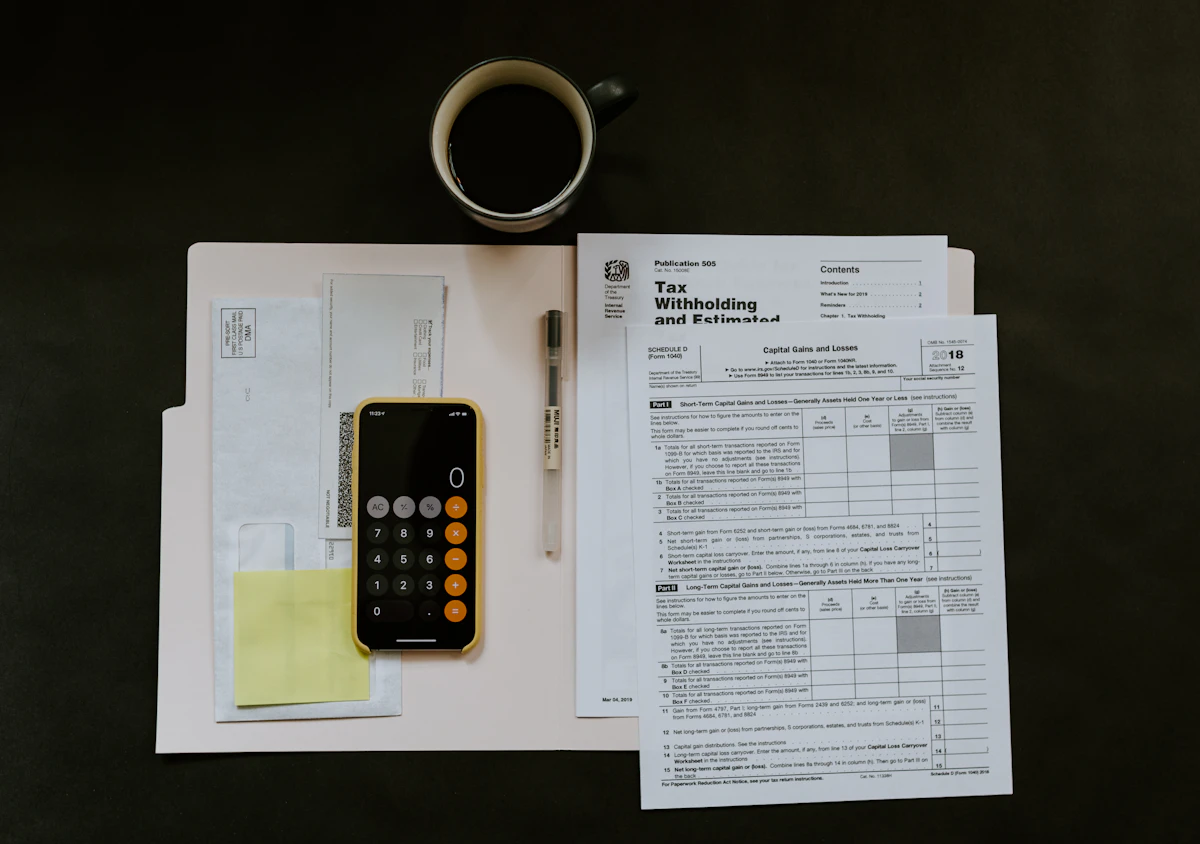
Emergency money should be accessible when an urgent bill arrives. Consider the safety, liquidity, withdrawal rules and applicable protections of the account or product you use. Investments that can fall sharply in value or require a long lock-in may not suit money needed immediately. Check current terms with the regulated provider and understand any deposit insurance limits or conditions that apply.
Keep the fund for genuine emergencies

Define what counts as an emergency, such as an essential repair, urgent medical cost or temporary income loss. Planned holidays and predictable annual bills are better handled through separate sinking funds. If you use emergency savings, make a replenishment plan after the immediate situation stabilises. Review the target after a change in household expenses, dependants or employment.
Final checklist

Write down your priorities, compare options using the same criteria, confirm important details directly with the relevant provider and keep records of agreements. Revisit the plan when your needs change rather than relying on assumptions or outdated information. The Infinity Company shares practical guides to help readers make more informed decisions.
About this guide: This article is for general informational purposes. Product terms, local rules and individual circumstances may differ; verify important details before acting.