
Benefits of Yoga for Men and Women: A Complete Beginner’s Guide
Yoga for men and women can be adapted for different ages, fitness levels and goals. This practical guide explains potential benefits, beginner routines, safety considerations and how to choose a suitable class. It is general information, not personal medical advice.
Quick answer: what are the benefits of yoga?

Yoga combines physical postures, breathing techniques and focused attention. Practised consistently and adapted to a person’s abilities, it may help improve flexibility, balance, muscular endurance, body awareness and stress management. Some people also find that yoga supports sleep quality and helps them build a regular movement routine. Results vary with style, frequency, health status and teaching quality. Yoga is not a cure for disease, a substitute for prescribed treatment or a guaranteed method of weight loss. A practical starting point for many healthy beginners is a gentle 10–20-minute class, performed comfortably and progressed gradually. Choose movements that allow steady breathing rather than forcing a deep stretch. Stop if you feel sharp pain, dizziness, chest discomfort or unusual breathlessness, and seek medical advice when symptoms persist.
What is yoga?

Yoga is a broad family of practices with roots in India. Modern classes commonly combine asanas (postures), pranayama (breathing practices) and relaxation or meditation. Hatha classes are often slower; vinyasa links movement with breath; restorative yoga uses supported positions; and power yoga can be more demanding. Class labels are not perfectly standardised, so ask the instructor about pace, intensity, modifications and experience level before joining. Yoga is not one single workout, and two classes with the same name may feel different. The best approach is one you can practise safely and consistently, with enough challenge to learn but not so much that you strain.
Flexibility and mobility

Regular, controlled movement can help maintain or improve range of motion and make everyday actions—such as reaching overhead, turning comfortably or getting up from the floor—feel easier. Gentle stretches can be useful after sitting for long periods, while standing poses encourage coordination between joints and muscles. Flexibility differs naturally between people and does not need to be extreme to be useful. Avoid bouncing, forcing joints to their end range or comparing your shape with another student’s. Warm up first, move slowly and use blocks, a chair or a wall when helpful. If a position causes joint pain, numbness or tingling, modify it or skip it and ask a qualified instructor for an alternative.
Strength, posture and balance
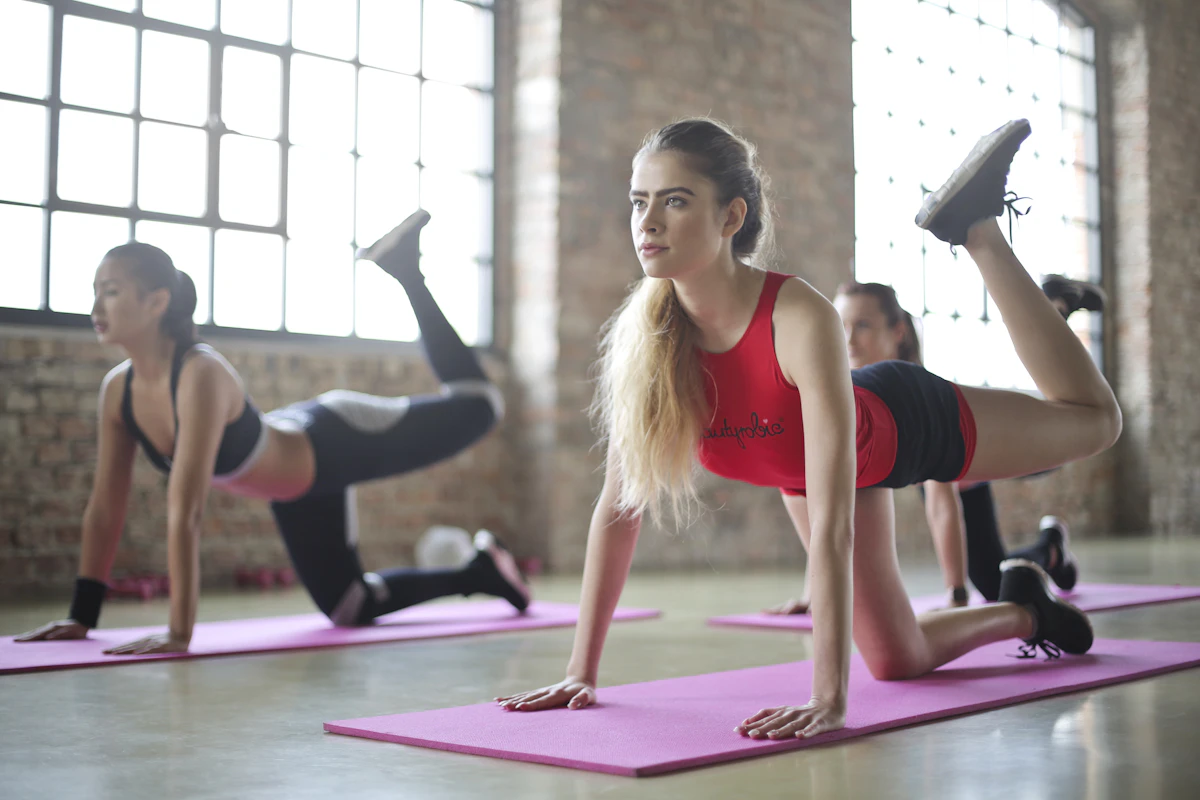
Many yoga poses require the body to support its own weight, which can build muscular endurance in the legs, trunk, shoulders and back. Standing postures and controlled transitions can challenge balance and coordination. Better body awareness may help some people notice habits such as slouching or holding unnecessary tension. Yoga does not automatically correct every posture problem, and persistent back or neck pain deserves individual assessment. For a well-rounded fitness plan, combine yoga with aerobic activity and, where appropriate, progressive resistance exercise. Beginners can start with supported standing poses and short holds. Distribute weight evenly and avoid locking joints or holding your breath during effort.
Stress management and mental wellbeing

A calm class gives you time to pay attention to breathing, physical sensations and the present moment. Slow movement and relaxation may help some participants feel less tense and more settled after practice. The effect is individual: yoga can complement mental-health care, but it cannot promise to prevent or treat every anxiety or mood condition. If meditation or closed-eye breathing feels uncomfortable, keep your eyes open, focus on a neutral object or choose movement-based practice instead. Build a routine that feels supportive rather than another source of pressure. If distress is persistent, affects daily functioning or becomes overwhelming, contact a qualified health professional; yoga should be an additional support, not a reason to delay care.
Sleep and relaxation
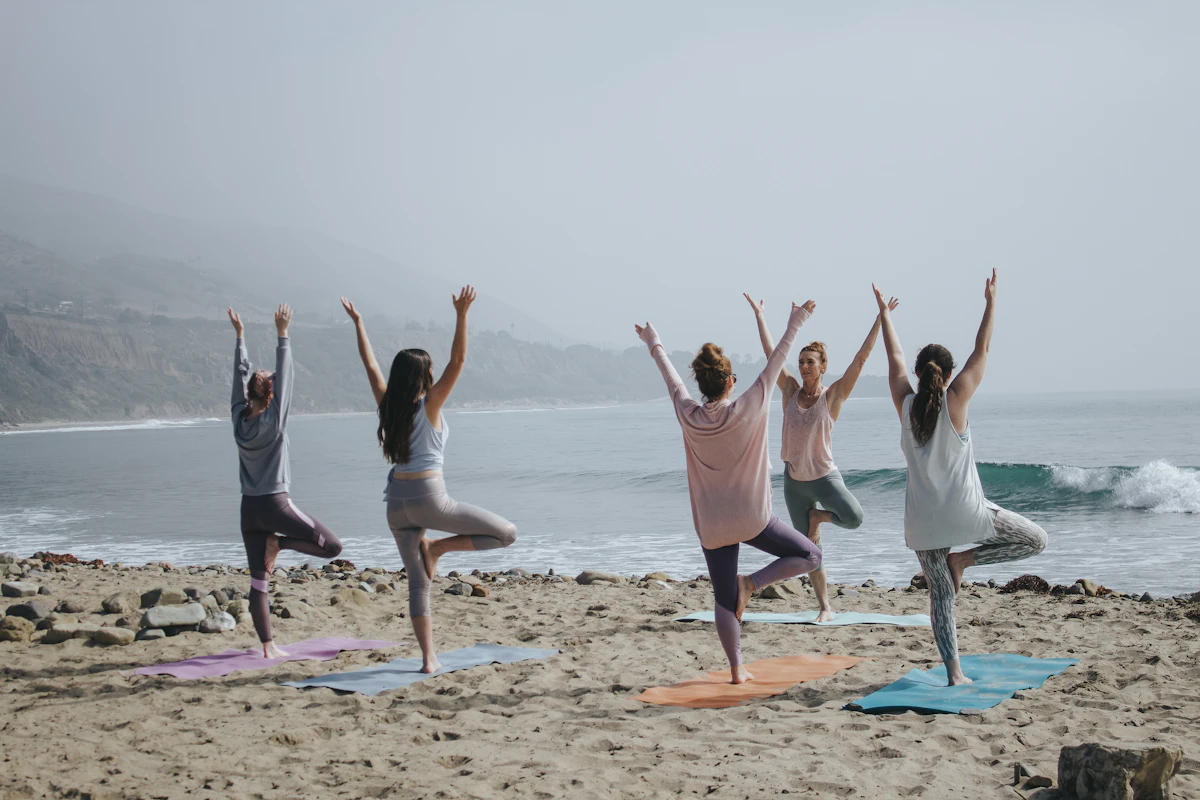
A gentle evening routine may help some people transition from a busy day to rest, especially when it includes quiet breathing and low-intensity movement. Try comfortable stretches, a supported resting pose or a brief body scan, and finish before you feel energised by vigorous exercise. No yoga sequence guarantees better sleep, and ongoing insomnia can have many causes. Keep a consistent sleep schedule, limit late caffeine and make your bedroom comfortable. If sleep problems persist for weeks, affect concentration or occur with loud snoring and breathing pauses, discuss them with a healthcare professional rather than relying on yoga alone.
Yoga for women across life stages

Yoga can be adapted for different goals and stages of life, but no pose is universally suitable for every woman. Gentle mobility and balance work may be useful during busy periods, while some people enjoy restorative practice for relaxation. During pregnancy, choose an instructor trained in prenatal yoga and consult your maternity clinician, particularly if you have complications or have been advised to limit activity. Avoid hot yoga and positions that cause pain, dizziness or abdominal pressure unless cleared by your care team. After childbirth, return gradually and seek professional guidance for pelvic heaviness, leaking, pain or unusual bleeding. Menstrual symptoms and comfort vary, so modify practice according to how you feel.
Yoga for men: mobility and recovery

Yoga is not limited to one gender. Men who sit for long hours, train heavily or have limited mobility may appreciate controlled movement, balance and breathing. A stiff hamstring or shoulder is not a failure; it is a reason to choose a suitable modification. Avoid treating every session as a flexibility contest. Yoga can complement sports and gym training, but it does not replace sport-specific conditioning or progressive strength work. If you lift weights or play sport, schedule yoga according to recovery and intensity, and scale back when fatigued. Anyone with a previous injury should ask a physiotherapist or qualified clinician which ranges and positions are appropriate.
Yoga for older adults

For older adults, suitably modified yoga may offer opportunities to practise balance, mobility, strength and mindful movement. Chair yoga and wall-supported sequences can make participation more accessible. The instructor should know about falls, osteoporosis, joint replacements, blood-pressure concerns and other relevant limitations. People with osteoporosis may need to avoid certain deep spinal flexion or twisting movements; individual advice matters because fracture risk and medical history differ. Use a stable chair without wheels, keep the floor clear and stand near support for balance poses. Start slowly and avoid getting up or down from the floor if doing so feels unsafe. A clinician or physiotherapist can help adapt a programme to personal needs.
Yoga for students and desk workers

Students and desk workers may use short movement breaks to interrupt long periods of sitting and reset attention. Try standing tall, rolling shoulders gently, moving the neck within a comfortable range and walking briefly between study blocks. A five-minute break is not a substitute for regular physical activity, but it can be an achievable starting point. Keep the screen at a comfortable height, vary your position and avoid staying in one posture for hours. Breathing should feel natural; never compete to hold your breath or breathe rapidly to prove endurance. If you develop persistent headaches, tingling, weakness or pain, get an appropriate assessment instead of assuming stretching will solve the problem.
Can yoga help with weight management?

Yoga uses energy, and more vigorous styles can be physically demanding, but calorie expenditure varies by class, duration, body size and intensity. Yoga alone is not a guaranteed weight-loss method. Sustainable weight management usually involves eating patterns, overall activity, sleep, stress, medicines and medical factors. Yoga may support a broader routine by improving body awareness, offering enjoyable movement and helping some people manage stress. Focus on habits and health outcomes rather than promises about rapid changes. If weight or eating is causing distress, seek advice from a registered dietitian or qualified healthcare professional who can provide individualised support without extreme restriction.
Breathing exercises: practise gently

Breathing practices range from simple awareness of natural breathing to more structured techniques. Beginners can sit comfortably, relax the shoulders and notice the breath without trying to make it unusually deep. Exhale gently and pause only if comfortable. Stop if you become light-headed, tingly, panicky or short of breath. Avoid forceful breathing, prolonged breath retention or rapid breathing drills without qualified instruction, particularly if you have cardiovascular or respiratory conditions, are pregnant, or have a history of fainting. Never practise challenging breathwork while driving, in water or anywhere that dizziness could cause harm. The goal is comfortable awareness, not achieving a record or pushing through warning signs.
Meditation and concentration

Some yoga classes include meditation, mantra or quiet attention to bodily sensations. A short, regular practice may help you notice distraction and return attention to a chosen focus. Beginners can start with one or two minutes and gradually increase only if it feels useful. You do not have to stop thoughts from appearing; simply notice them and return to the breath, a sound or a neutral sensation. If quiet meditation intensifies distress, traumatic memories or panic, choose eyes-open grounding or movement and consider professional support. Meditation is not a test of willpower, and it is reasonable to use the parts of yoga that feel comfortable while leaving out others.
How often should you practise?

Beginners might try two or three short sessions each week and add gentle movement breaks on other days. The right frequency depends on your schedule, recovery, medical status and practice intensity. A ten-minute session repeated comfortably can be a better foundation than an hour-long class that leaves you sore or discouraged. Track how you feel during and after practice, including sleep, energy, pain and mood. Increase duration or difficulty one element at a time. Rest when ill, unusually fatigued or injured, and remember that a rest day is part of a sustainable routine rather than a failure.
A beginner-friendly 15-minute routine

Begin with two minutes of comfortable standing or seated breathing. Continue with gentle shoulder rolls and easy neck movements within a pain-free range. Move to cat-cow on hands and knees only if kneeling is comfortable; otherwise perform a seated version. Add a supported standing side reach, a gentle hip hinge and a low lunge with hands on a chair or blocks. Practise a supported balance pose near a wall, then finish with a comfortable seated forward movement without forcing the spine or hamstrings. Spend the final two minutes resting and breathing normally. This is an example, not a prescription: skip anything unsuitable, move slowly and ask an instructor to demonstrate safe alignment.
Choosing the right yoga class

Look for a teacher who asks about experience, injuries and limitations, explains modifications and does not pressure students into poses. Beginners often benefit from a foundational, gentle or beginner-labelled class, but confirm the actual pace because class names vary. Check room temperature, class length, equipment and whether the teacher is trained for specialised needs such as prenatal or chair yoga. You should be able to ask questions and rest at any time. Avoid instructors who promise to cure medical conditions, discourage prescribed treatment or insist that pain means progress. Online classes can be convenient, but a live qualified instructor may be better when you need personalised adjustments.
Equipment, clothing and home setup

A non-slip mat can improve comfort, while blocks, a strap, a folded blanket or a sturdy chair can make poses more accessible. You do not need expensive clothing or branded equipment to begin. Wear clothes that allow movement without restricting breathing. Choose a clear, level floor with enough space to extend arms and legs, and keep pets or obstacles away during balance work. If practising from a video, position the screen so you can see instructions without repeatedly twisting your neck. Do not balance on unstable furniture or use a chair with wheels. Equipment should make a pose safer and more comfortable, not push you deeper into a stretch.
Safety: when to modify or avoid a pose

Mild muscular effort can be expected, but sharp pain, joint pain, numbness, tingling, chest pain, faintness or unusual breathlessness are reasons to stop. Do not force a pose to match a photograph or another participant. People with recent surgery, significant osteoporosis, glaucoma, uncontrolled blood pressure, balance problems, pregnancy-related concerns or a history of serious injury may need tailored guidance. Inversions, deep twists, extreme backbends and forceful breathing are not essential for general wellbeing. Tell the instructor about relevant conditions and follow medical advice. Seek urgent medical care for severe or sudden symptoms. A safe practice includes modifications and rest; discomfort is not proof that the exercise is working.
Yoga and chronic health conditions

Research has explored yoga as a complementary practice for several health outcomes, but evidence strength differs by condition and study. It may support wellbeing and movement for some people, yet it should not replace medication, rehabilitation or clinician-recommended treatment. If you have heart or lung disease, diabetes, uncontrolled blood pressure, chronic pain or a neurological condition, ask your healthcare professional about suitable intensity and movements. For persistent symptoms, make decisions with your care team rather than relying on online claims. Use reputable sources, be cautious of cure-all marketing and remember that individual responses vary. A qualified instructor can help adapt a class, but cannot diagnose a medical problem.
Common yoga myths

Myth: you must already be flexible. Yoga can be adapted for different starting points. Myth: every pose is safe for everyone. Modifications and individual assessment matter. Myth: more pain means more benefit. Pain can signal a problem, so do not push through sharp or unusual symptoms. Myth: yoga replaces all other exercise. A balanced routine also includes aerobic activity and muscle strengthening suited to your abilities. Myth: one breathing method fixes every health concern. Breathing practices are not a substitute for medical care. Yoga is not a competition: use props, rest and choose a style you can maintain without fear or pressure.
How to measure progress

Progress may show up as steadier balance, easier transitions, improved comfort with everyday movement, a more regular routine or feeling calmer after class. It does not have to mean touching your toes or performing advanced poses. Set one realistic goal for a few weeks, such as practising twice weekly or taking a short movement break each workday. Record duration, how challenging the session felt and any symptoms. If pain increases or fatigue persists, reduce intensity and seek advice when appropriate. Compare yourself with your own baseline rather than social-media images. Progress can include learning to modify a pose, recognising a limit early and choosing a safer option.
Yoga at home versus in a studio

Home practice offers convenience, flexible timing and often lower cost. It works well for gentle routines once you understand the movements and can follow reliable instruction. A studio can provide feedback, community and easier access to modifications, especially for beginners. Neither setting is automatically better; choose the environment that supports safe consistency. For online videos, prefer qualified teachers who demonstrate options and avoid exaggerated health claims. Pause the video when you need to adjust a position, and do not try an advanced posture simply because it appears in the lesson. If you have a medical limitation or recurring pain, seek individual guidance before following a generic routine.
Building a realistic weekly plan

A sustainable plan leaves room for work, family, recovery and other forms of movement. For example, you might schedule two 15-minute gentle sessions, one longer beginner class and short walking or mobility breaks on several days. Treat this as a flexible illustration, not a requirement. If the week becomes busy, shorten a session instead of abandoning the habit completely. If you feel unusually sore, reduce intensity. Pair yoga with activities you enjoy and that fit your health needs. Review your plan every few weeks: if it feels too demanding, simplify it; if it feels comfortable, progress gradually. The best routine is one that fits real life and remains safe.
Frequently asked questions about yoga

Is yoga suitable for beginners? Often yes, if the class and poses are adapted to your current ability. How long before benefits appear? There is no universal timeline; changes depend on consistency, goals and individual health. Can I do yoga every day? Some people practise gentle yoga daily, but intensity, recovery and medical conditions matter. Does yoga build muscle? Weight-bearing poses can improve muscular endurance, but progressive resistance training may be needed for specific strength goals. Is yoga religious? Modern classes vary; ask the teacher about the style and practices included. Can yoga cure back pain or anxiety? No such guarantee is appropriate; seek professional assessment and use yoga only as a suitable complement to care.
Key takeaways and next steps

Yoga can be a useful way to practise movement, balance, breathing and relaxation when suited to your abilities. Start gently, select a trustworthy teacher, use props, and make changes based on how your body responds. Do not force flexibility, chase advanced poses or stop medical treatment because of a wellness claim. For general health, combine yoga with other appropriate physical activity, adequate sleep and regular healthcare. If unsure where to start, choose a beginner-friendly session and ask the instructor how to adapt it. Explore more practical wellbeing articles in The Infinity Company Health & Lifestyle section, or return to the homepage.
For evidence-based background, consult the U.S. National Center for Complementary and Integrative Health overview of yoga effectiveness and safety, the NHS guidance on exercise and physical activity, and the World Health Organization physical activity fact sheet. These resources provide broader context; individual advice should come from a qualified health professional.