
Help around the home is just a few clicks away

How Much Term Life Insurance Cover Do You Need in India? A Practical Calculator Guide
Term life insurance is designed to provide a death benefit during a specified period, subject to the policy terms. Deciding how much cover to consider starts with the financial responsibilities that would remain if your income disappeared. There is no single formula that fits everyone. This guide provides a structured estimate to discuss with an insurer or qualified adviser, rather than a personalised recommendation or guarantee.
Quick answer

List the people who rely on your earnings and the expenses that would continue if you were no longer able to provide income. These may include household costs, childcare, education, support for parents and other commitments. Consider how long each responsibility is likely to last.
Start with the people who depend on your income

List the people who rely on your earnings and the expenses that would continue if you were no longer able to provide income. These may include household costs, childcare, education, support for parents and other commitments. Consider how long each responsibility is likely to last. A household with young children and a large loan may have a different need from someone whose dependants are financially independent. Focus on actual obligations rather than choosing cover only from a salary multiple advertised online.
Make this check concrete: identify the exact clause or figure in the policy document, note any question that remains unresolved, and request written clarification from the insurer or authorised intermediary. Keep the response with your policy records so you can refer to it during renewal or a claim.
Estimate the years of income support needed

Decide what period of support your family may need, based on dependants’ ages, expected education costs, debts and other income sources. A simple starting point is to estimate annual essential expenses and multiply by a chosen number of years, then adjust for inflation, expected income changes and resources already available. This is an approximation, not a precise actuarial calculation. If your household has complex financial arrangements, a qualified financial planner can help test different scenarios.
Make this check concrete: identify the exact clause or figure in the policy document, note any question that remains unresolved, and request written clarification from the insurer or authorised intermediary. Keep the response with your policy records so you can refer to it during renewal or a claim.
Include outstanding loans and major goals

Add financial liabilities that could remain after death, such as a home loan, education loan or other significant debt, while checking whether any loan already has separate protection. Consider future goals such as children’s education or care responsibilities. Avoid double-counting a debt that is already covered by a separate valid policy or asset. Keep assumptions explicit, so you can update the estimate when a loan balance falls or a goal is funded.
Make this check concrete: identify the exact clause or figure in the policy document, note any question that remains unresolved, and request written clarification from the insurer or authorised intermediary. Keep the response with your policy records so you can refer to it during renewal or a claim.
Subtract assets and existing cover carefully

Potential resources may include liquid savings, investments intended for family needs, existing life insurance and eligible employer benefits. Do not treat every asset as immediately available: some may be volatile, jointly owned, needed for retirement or costly to sell. Check the actual benefit and conditions of existing policies. The rough gap is the financial need you estimate minus the resources realistically available for that purpose. Revisit this gap after major life events.
Make this check concrete: identify the exact clause or figure in the policy document, note any question that remains unresolved, and request written clarification from the insurer or authorised intermediary. Keep the response with your policy records so you can refer to it during renewal or a claim.
Choose a policy term that matches responsibilities

The policy term should be considered in relation to when financial dependants may become independent and when major debts or obligations are expected to end. A longer term can cost more, but a shorter term may expire while protection is still needed. Check the expiry age, premium payment period, renewal options if any and whether cover can continue under the specific product. Do not assume every term policy can be renewed or extended on identical terms.
Make this check concrete: identify the exact clause or figure in the policy document, note any question that remains unresolved, and request written clarification from the insurer or authorised intermediary. Keep the response with your policy records so you can refer to it during renewal or a claim.
Understand premium, exclusions and underwriting

Premiums can depend on age, health disclosures, tobacco use, occupation, policy duration, cover amount and product features. Insurers may ask questions, request tests or apply specific underwriting terms. Answer proposal questions accurately and disclose requested information completely. Never conceal a diagnosis or alter information to obtain a quote; inaccurate disclosure can create serious claim problems. Compare the final issued offer and policy wording, not just an online estimate.
Make this check concrete: identify the exact clause or figure in the policy document, note any question that remains unresolved, and request written clarification from the insurer or authorised intermediary. Keep the response with your policy records so you can refer to it during renewal or a claim.
Term insurance versus savings-linked products

Term protection and products combining insurance with savings or investment features serve different purposes. Compare how much pure protection is provided, the premium commitment, surrender consequences, charges, guarantees and any non-guaranteed illustrations. Do not compare a projected return with a guaranteed benefit as though they were equivalent. If an agent presents a product as an investment, ask for the official benefit illustration and clarify which amounts are guaranteed under the contract.
Make this check concrete: identify the exact clause or figure in the policy document, note any question that remains unresolved, and request written clarification from the insurer or authorised intermediary. Keep the response with your policy records so you can refer to it during renewal or a claim.
Riders and add-on benefits

Some products offer riders or optional benefits, such as specified accidental death or disability benefits, subject to additional terms. Read the definitions, exclusions, limits and premium impact. An add-on does not automatically replace separate health, disability or income protection. Choose riders only after understanding the risk they address and whether existing cover already addresses it. Ask for the wording and compare the cost with the additional benefit rather than relying on a product name.
Make this check concrete: identify the exact clause or figure in the policy document, note any question that remains unresolved, and request written clarification from the insurer or authorised intermediary. Keep the response with your policy records so you can refer to it during renewal or a claim.
Nominees, beneficiaries and family awareness

Provide nominee or beneficiary information as required and update it after major life events, following the insurer’s process. Explain to a trusted family member where policy records can be found and how to contact the insurer. Keep the policy number, premium status and claim instructions accessible without sharing passwords or sensitive credentials. A policy is more useful when beneficiaries can locate the records and understand the steps for making a claim.
Make this check concrete: identify the exact clause or figure in the policy document, note any question that remains unresolved, and request written clarification from the insurer or authorised intermediary. Keep the response with your policy records so you can refer to it during renewal or a claim.
Review cover after major life changes

Marriage, a child, a new home loan, a change in income, a dependent parent’s needs or a change in existing cover may alter the estimated protection gap. Review the policy and your broader financial plan periodically. If considering a new policy, confirm acceptance and start date before cancelling any existing cover. Compare current terms rather than assuming an old estimate remains suitable indefinitely.
Make this check concrete: identify the exact clause or figure in the policy document, note any question that remains unresolved, and request written clarification from the insurer or authorised intermediary. Keep the response with your policy records so you can refer to it during renewal or a claim.
A simple cover estimate you can update

One practical method is to list annual essential household expenses, estimate the number of years support may be required, add major future obligations and outstanding debts, then subtract resources realistically available for the same purpose. This is only a starting framework. It does not automatically account for inflation, investment returns, taxes, changes in family income or every future event. Write down assumptions and use conservative scenarios to see how sensitive the estimate is. A qualified financial planner can help test assumptions if the decision has significant consequences.
Do not ignore the value of a second income

If a spouse or another household member also earns, do not automatically assume that income will fully replace the insured person’s contribution. Consider how caregiving, childcare, household work and other responsibilities might change after a death. Some contributions are not captured by salary alone, and a family may need to pay for services previously provided within the household. The estimate should reflect the family’s real financial situation, not only a simple comparison of gross incomes.
Premium payment term and affordability
Review whether premiums are payable for the whole policy term or for a shorter period under the selected product. A shorter payment period may change the premium and cash-flow demands. Choose a commitment that can remain affordable alongside essential expenses and other financial goals. If premiums become difficult to maintain, options and consequences depend on the policy; do not assume cover will remain unchanged if payments stop. Read lapse, revival and termination provisions before buying.
Medical disclosures and policy issuance

Online quotes are estimates, not proof that cover has been accepted. The insurer may request further information, medical tests or apply underwriting terms before issuing the final policy. Answer every proposal question accurately, review the completed form and retain a copy. If the issued terms differ from what you expected, understand the exclusions, premium and conditions before deciding whether to accept. Do not conceal information based on advice from someone who promises it will not matter at claim time.
Reviewing a policy alongside other financial protection
Life cover is one part of a household risk plan. Consider whether you also need to review emergency savings, health cover, disability-related protection, debt arrangements and beneficiary records. These products address different risks and should not be treated as substitutes for one another. Check employer benefits carefully because eligibility and continuation can change. A periodic review after a major life event helps keep the plan aligned with current responsibilities and reduces reliance on outdated assumptions.
Worked example: use assumptions, not a magic number
Imagine a household estimates that it needs to fund essential expenses for a defined number of years, has a home loan outstanding and wants to reserve money for education. It would estimate each need separately, avoid counting the same loan twice, then subtract savings and valid existing cover realistically available for those responsibilities. Change the assumptions to see how the estimated gap changes. This exercise is more useful than copying another person’s cover amount because family size, costs, assets, debt and time horizon vary. The example is a planning method only; actual figures should be based on your own records and may benefit from professional review.
Inflation and changing household costs
A sum that looks sufficient today may buy less in the future as household costs rise. When estimating long-term support, consider inflation and whether the family’s needs will change as children grow, a loan is repaid or a dependant’s circumstances change. Avoid treating uncertain investment returns as guaranteed resources. You can test a few different expense and time scenarios rather than pretending to predict the future precisely. Record the assumptions and revisit them after major life events. The purpose is to understand the range of possible needs, not to produce a falsely exact number.
Check the final policy before accepting it
After underwriting, compare the final offer with the application and initial quote. Confirm the insured amount, policy term, premium, payment schedule, exclusions, special conditions and commencement date. Read the policy documents and use the insurer’s official process to raise discrepancies within the applicable period. Keep the final schedule and premium receipts in a safe place. Do not rely on a verbal assurance that a condition has been removed unless the issued documents support it.
Questions to ask a financial adviser

Ask how the estimate treats inflation, debts, existing insurance, savings, dependants and the years of support required. Request that assumptions be shown clearly and compare more than one scenario. Confirm whether the adviser is qualified for the service offered, how they are paid and whether they receive commissions from particular products. An adviser should explain the trade-offs and policy terms rather than pressure you into a particular amount or product. Read the insurer’s official documents yourself, and remember that a calculation is only as reliable as the information and assumptions used.
Frequently asked questions
A useful estimate begins with dependants’ needs, essential expenses, debts, future goals and resources already available. A salary multiple can be a quick sense-check but should not replace a household-specific estimate. Confirm current policy terms with the insurer and consider qualified advice for a significant decision.
Make this check concrete: identify the exact clause or figure in the policy document, note any question that remains unresolved, and request written clarification from the insurer or authorised intermediary. Keep the response with your policy records so you can refer to it during renewal or a claim.
Frequently asked questions
A useful estimate begins with dependants’ needs, essential expenses, debts, future goals and resources already available. A salary multiple can be a quick sense-check but should not replace a household-specific estimate. Confirm current policy terms with the insurer and consider qualified advice for a significant decision.
For current regulatory information in India, visit the Insurance Regulatory and Development Authority of India (IRDAI). Review the insurer’s official policy wording and customer information sheet before buying or making a claim.
Explore more practical guides at The Infinity Company or visit the Insurance section.
Best Health Insurance for a Family in India: Coverage, Waiting Periods and Costs
Choosing family health insurance is about more than finding the lowest premium or the largest advertised cover. A policy must fit the people insured, local healthcare costs, existing employer benefits and the amount your household could pay out of pocket. This guide explains the main comparison points in plain language. Product terms vary, so use the current policy wording and customer information sheet to confirm every benefit before buying.
Quick answer
A family floater shares one sum insured among the covered members, which can be convenient when a household wants one policy and one renewal date. Individual policies assign separate cover to each insured person. Neither arrangement is automatically best: ages, medical history, family size, premium, benefit limits and how claims might use the shared amount all matter.
Family floater or individual policies?
A family floater shares one sum insured among the covered members, which can be convenient when a household wants one policy and one renewal date. Individual policies assign separate cover to each insured person. Neither arrangement is automatically best: ages, medical history, family size, premium, benefit limits and how claims might use the shared amount all matter. Ask the insurer to explain how a claim for one member affects the balance available to others during the policy year. Review whether parents, children and other dependants are eligible under the proposed product.
Make this check concrete: identify the exact clause or figure in the policy document, note any question that remains unresolved, and request written clarification from the insurer or authorised intermediary. Keep the response with your policy records so you can refer to it during renewal or a claim.
How much sum insured should you compare?
There is no universal sum insured that suits every family. Consider the cost of treatment in your city, the number and ages of family members, existing medical cover, likely out-of-pocket expenses and whether a serious illness could affect savings. Look at the actual benefits and sub-limits alongside the headline amount. A large sum insured may still leave gaps if room eligibility, co-payment, exclusions or disease-specific limits apply. Compare realistic scenarios rather than choosing a figure solely because it appears in an advertisement.
Make this check concrete: identify the exact clause or figure in the policy document, note any question that remains unresolved, and request written clarification from the insurer or authorised intermediary. Keep the response with your policy records so you can refer to it during renewal or a claim.
Waiting periods and pre-existing conditions
Policies may apply waiting periods to certain illnesses, procedures or pre-existing conditions, subject to the applicable product and regulations. Read the policy wording and customer information sheet for the exact period, definition and conditions. Disclose medical history accurately on the proposal form, including information requested about tests, medication and past treatment. Do not assume that a condition is covered immediately because the policy has been issued. Keep a copy of your disclosures and ask the insurer for written clarification if an answer is unclear.
Make this check concrete: identify the exact clause or figure in the policy document, note any question that remains unresolved, and request written clarification from the insurer or authorised intermediary. Keep the response with your policy records so you can refer to it during renewal or a claim.
Room rent limits, co-payments and deductibles
Room-rent limits can affect eligible hospital expenses, and some products may link other charges to the room category selected. A co-payment means the insured pays a specified share of eligible costs; a deductible is an amount that must be paid before the policy responds as defined by the contract. These terms can make two policies with similar premiums behave very differently at claim time. Ask for examples showing how a hospital bill could be settled under the exact policy, including any sub-limits and non-payable items.
Make this check concrete: identify the exact clause or figure in the policy document, note any question that remains unresolved, and request written clarification from the insurer or authorised intermediary. Keep the response with your policy records so you can refer to it during renewal or a claim.
Cashless hospitals and reimbursement claims
A cashless facility generally depends on the hospital, insurer or administrator arrangements and approval process in force at the time of treatment. Network lists can change, and cashless approval is not the same as a guarantee that every bill item will be paid. Check nearby hospitals you would realistically use, the pre-authorisation steps and the emergency process. For reimbursement, understand the deadline, required forms, original bills or acceptable records and the method for submitting documents. Save the insurer’s claim contact details somewhere accessible.
Make this check concrete: identify the exact clause or figure in the policy document, note any question that remains unresolved, and request written clarification from the insurer or authorised intermediary. Keep the response with your policy records so you can refer to it during renewal or a claim.
Premium increases and renewals
A premium is only one part of affordability. Check renewal conditions, age-related pricing, any changes communicated by the insurer and whether optional add-ons meaningfully improve the cover you need. Do not assume the price will remain unchanged for every renewal. If comparing a switch, verify the new policy’s start date, underwriting requirements and continuity benefits before cancelling existing cover. Avoid leaving a gap in protection while waiting for a new proposal to be approved.
Make this check concrete: identify the exact clause or figure in the policy document, note any question that remains unresolved, and request written clarification from the insurer or authorised intermediary. Keep the response with your policy records so you can refer to it during renewal or a claim.
Maternity, newborn and child benefits
If maternity or newborn benefits matter to your family, check whether they are included, their waiting periods, limits, eligibility conditions and any restrictions on related expenses. Do not rely on a general phrase such as “family cover” to infer a specific benefit. For children, review age limits, dependent status rules and how coverage changes as they grow older. Ask the insurer for the relevant wording rather than assuming that every policy covers the same services.
Make this check concrete: identify the exact clause or figure in the policy document, note any question that remains unresolved, and request written clarification from the insurer or authorised intermediary. Keep the response with your policy records so you can refer to it during renewal or a claim.
Exclusions and non-payable expenses
Read the exclusions section, including circumstances in which the insurer may not pay, along with lists of items or services treated differently during a claim. Some expenses may be limited, excluded or payable only when specified conditions are met. The policy schedule, wording, endorsements and applicable rules matter more than a sales summary. If a particular treatment, medicine or hospital service is important to you, ask the insurer to confirm the relevant provision in writing.
Make this check concrete: identify the exact clause or figure in the policy document, note any question that remains unresolved, and request written clarification from the insurer or authorised intermediary. Keep the response with your policy records so you can refer to it during renewal or a claim.
How to compare policies side by side
Create a comparison sheet listing premium, sum insured, room eligibility, co-payments, deductibles, waiting periods, pre-existing condition terms, network hospitals, restoration benefits, exclusions, claim support and renewal conditions. Use current documents for each product and note the date you checked them. Ask the same questions of each insurer to make the comparison fair. Verify the insurer and any intermediary through official sources, and avoid making a decision based solely on ratings or promotional claims.
Make this check concrete: identify the exact clause or figure in the policy document, note any question that remains unresolved, and request written clarification from the insurer or authorised intermediary. Keep the response with your policy records so you can refer to it during renewal or a claim.
Documents and steps before you buy
Check names, dates of birth, contact details, nominee details where relevant and the information disclosed about health history. Read the proposal form before submitting it, retain a copy and use authorised payment channels. Keep the receipt, policy schedule, wording and customer information sheet. Confirm how to access the policy electronically and how to reach claims support. If you are unsure about suitability, seek advice from a properly qualified professional who can explain the terms and any conflicts of interest.
Make this check concrete: identify the exact clause or figure in the policy document, note any question that remains unresolved, and request written clarification from the insurer or authorised intermediary. Keep the response with your policy records so you can refer to it during renewal or a claim.
What to do when a claim is needed
Follow the notification and pre-authorisation process described by the insurer, while prioritising urgent medical care. Keep discharge summaries, prescriptions, bills, test reports and communications. If the claim is cashless, check the final settlement and any amount payable by you; if reimbursement is required, submit the specified documents within the policy timeline. Ask for written reasons if an amount is deducted or a claim is declined. Use the insurer’s published grievance process if you disagree with the decision.
Make this check concrete: identify the exact clause or figure in the policy document, note any question that remains unresolved, and request written clarification from the insurer or authorised intermediary. Keep the response with your policy records so you can refer to it during renewal or a claim.
How employer health cover fits into family planning
Employer-sponsored health insurance can reduce immediate costs, but its limits, covered dependants and continuation rules may differ from an individual policy. Confirm the sum insured, whether parents are eligible, room eligibility, co-payment and how to access policy documents. Group benefits may change when you change jobs or when an employer renews its contract. If you depend on workplace cover, consider what would happen during a job transition or after retirement. Do not cancel an existing personal policy until you understand replacement options, underwriting requirements and continuity terms. Ask HR or the insurer for the current group policy summary rather than relying on an old benefits email.
Restoration benefits, no-claim benefits and limits
Some health products describe restoration of the sum insured or a no-claim benefit. These features can be useful, but the trigger, timing, eligible claims and restrictions matter. Restoration may apply only after specified conditions are met and may not work for every claim involving the same person or illness. A no-claim benefit may increase cover or affect premium under defined rules, rather than operate as a cash reward. Read the wording and examples for the exact product. Avoid comparing policies by feature name alone; check how the benefit could work in a realistic claim and whether other limits still apply.
A checklist for parents and older family members
When comparing cover for children or older adults, review eligibility, age limits, waiting periods, pre-existing condition definitions, medicines and follow-up care provisions. Do not assume every routine test, outpatient visit or prescription is covered just because hospitalisation is included. For older family members, compare the premium, co-payment and exclusions alongside the cover amount. A product with lower initial cost may have different cost-sharing conditions. Record the questions that matter to your household and get written answers before purchasing.
How to keep the policy useful after purchase
After buying, save the policy schedule, wording, customer information sheet, premium receipt and insurer contact details. Check that names and dates are correct and that the policy is active. Learn how to find network hospitals and what to do during an emergency. At renewal, review changes in premium and terms, and update contact or nominee information where required. If you have a claim, maintain an organised file of bills and communications. Good records cannot change policy terms, but they can make routine administration and claim follow-up easier.
Questions to ask before you pay
Ask the insurer to explain waiting periods, pre-existing disease rules, co-payments, room limits, restoration conditions, network access, renewal terms and claims contact process. Confirm which benefits are included automatically and which require an additional premium. Request the current policy wording and customer information sheet and check that the final proposal matches the explanation you received. Use official payment channels and keep the receipt. If a key answer is vague or only verbal, pause and obtain written clarification rather than rushing into a long-term financial commitment.
How to budget for premiums without underinsuring
Set a premium budget that can be sustained at renewal, but do not reduce cover without understanding the resulting exposure. Compare quotes for equivalent benefits and identify whether differences come from room limits, cost-sharing, exclusions or add-ons. Check whether the premium changes with age or other rating factors and whether the insurer communicates renewal changes. If the budget is tight, prioritise understanding the largest financial risks and ask a qualified adviser to explain trade-offs rather than choosing a policy based only on the lowest advertised price. Keep a record of the quotes and documents you compared so you can revisit the decision at renewal.
What a policy summary cannot tell you
A product page or short brochure is useful for initial screening, but it cannot always explain every definition, exception or claim condition. Read the full policy wording and customer information sheet, and check the schedule issued to your family. Pay particular attention to exclusions, sub-limits, waiting periods, claim notification and how benefits interact. If the sales explanation conflicts with the document, seek written clarification before payment. The policy contract and applicable rules, not a general article, determine the insurer’s obligations in a particular case.
Frequently asked questions
The best family policy depends on age, health needs, budget and the actual contract terms. Compare the exclusions and cost-sharing provisions as carefully as the sum insured. Always verify current product wording, because benefits and eligibility can change. For regulatory information in India, start with IRDAI and the insurer’s official documents.
Make this check concrete: identify the exact clause or figure in the policy document, note any question that remains unresolved, and request written clarification from the insurer or authorised intermediary. Keep the response with your policy records so you can refer to it during renewal or a claim.
Frequently asked questions
The best family policy depends on age, health needs, budget and the actual contract terms. Compare the exclusions and cost-sharing provisions as carefully as the sum insured. Always verify current product wording, because benefits and eligibility can change. For regulatory information in India, start with IRDAI and the insurer’s official documents.
For current regulatory information in India, visit the Insurance Regulatory and Development Authority of India (IRDAI). Review the insurer’s official policy wording and customer information sheet before buying or making a claim.
Explore more practical guides at The Infinity Company or visit the Insurance section.
Insurance in India: Types of Policies, Coverage, Exclusions and How to Choose
Insurance in India can help households and businesses manage financial risks, but the protection depends on the policy actually purchased. This guide explains common insurance types, how premiums and exclusions work, how to compare products, and what to keep in mind when buying or claiming. It is general educational information, not personalised financial, legal or insurance advice.
Quick answer: how to choose insurance

Identify the risk you need to cover, compare policies with similar benefits, read the exclusions and claim conditions, verify the insurer or intermediary through official sources, and retain all documents. Do not choose on premium alone or rely on verbal promises that are not reflected in the policy wording.
What is insurance and how does it work?
Insurance is a contract in which an insurer provides specified financial protection in return for a premium, subject to the policy wording, conditions, limits and exclusions. A policy does not cover every possible loss. The schedule, wording, endorsements and applicable law determine what is covered, who is insured, how a claim is assessed and which documents are needed. Read the exact policy rather than relying only on a sales conversation or headline benefit.
Main types of insurance in India
Common types include health insurance, life insurance, motor insurance, home and property insurance, travel insurance, personal accident cover and business insurance. Each serves a different purpose. Health insurance may pay eligible medical expenses under defined terms; life insurance may provide a benefit on death or maturity depending on the product; motor policies may cover third-party liability and, if selected, damage to the insured vehicle. Do not compare products as though their benefits were interchangeable.
Health insurance: what to check
Review who is covered, the sum insured, room-rent limits, co-payments, deductibles, waiting periods, pre-existing disease rules, exclusions, network hospitals, claim procedures and renewal terms. A high headline sum insured may not tell the whole story if important limits apply. Check whether family members are covered under one floater or separate policies, and consider how costs could change over time. Disclose medical history accurately in the application and retain the proposal form and insurer communications.
Life insurance: protection versus savings
Life insurance products have different purposes. Term insurance generally focuses on life protection for a chosen period, while other products may combine protection with savings or investment features under their own terms. Compare the premium over the intended period, benefit conditions, exclusions, policy duration, surrender implications and whether the cover meets dependants’ needs. Do not choose a product solely because someone promises high returns or says a purchase is urgent. Understand charges, guarantees and non-guaranteed illustrations separately.
Motor insurance: third-party and own-damage cover
Motor insurance requirements and cover depend on vehicle type, use, policy type and current Indian rules. Third-party cover addresses specified legal liabilities to others; own-damage cover, when included, may cover eligible damage to the insured vehicle subject to terms. Check deductibles, add-ons, permitted drivers, geographical limits, claim notification requirements and the effect of modifications or commercial use. Keep policy and vehicle documents accessible, and report incidents promptly according to the policy and legal requirements.
Home, property and contents insurance
Home insurance may cover the building, contents or both, depending on the selected cover. Review insured events, exclusions, valuation basis, underinsurance clauses, temporary accommodation benefits if any, security requirements and the documents needed to establish a loss. Renters and homeowners may have different needs: a landlord’s building policy may not protect a tenant’s belongings. Photograph valuable possessions and keep purchase records where practical, while storing copies securely.
Travel insurance and overseas trips
Travel policies may address eligible medical emergencies, evacuation, trip cancellation or interruption, baggage problems and other specified risks. The exact benefits vary considerably. Check destination restrictions, trip dates, medical exclusions, pre-existing conditions, adventure activities, claim contact numbers and documentation requirements. Do not assume every cancellation or disruption is covered. For international travel, confirm whether the medical limit and assistance arrangements are appropriate for the destination and length of stay.
Understand premiums, deductibles and co-payments
The premium is the price paid for cover, but the lowest quote is not automatically the best value. A deductible is an amount the insured may have to bear before a policy pays; a co-payment is a specified share of eligible costs the insured pays. Limits, sub-limits, exclusions and waiting periods can also affect what the insurer pays. Compare equivalent cover levels and review the total cost you could face during a claim, not just the annual premium.
Exclusions, waiting periods and conditions
Exclusions identify situations or losses the policy does not cover. Waiting periods can restrict benefits for a specified period, especially in certain health products. Other conditions may require timely notice, approved repairs, specified security measures or supporting documents. Ask the insurer or authorised intermediary to explain unclear wording in writing. A brochure summary is useful for orientation, but the complete policy wording and schedule govern the contract.
How to compare insurance policies
First identify the risk you want to protect against and the people or assets involved. Then compare the insured amount, covered events, exclusions, deductibles, waiting periods, claim process, service access, renewal provisions and total cost. Check the insurer’s official product documents and verify the intermediary’s credentials. Keep a written list of questions and record the answers. A comparison is only meaningful when the products are being evaluated on similar assumptions and coverage.
How to buy a policy safely
Use the insurer’s official website, branch or a properly authorised intermediary. Verify the insurer and product through official regulatory resources, read the proposal carefully and check that personal details, medical disclosures, vehicle details and nominee information are accurate. Never sign a blank form or conceal information to obtain a lower premium. Pay through authorised channels and retain the receipt, proposal, policy schedule and all communications.
Claims: what to do when a loss occurs
Notify the insurer within the time and manner required by the policy, take reasonable steps to prevent further loss where safe, and preserve evidence. Depending on the claim, useful records may include bills, medical reports, photographs, police reports, repair estimates, travel documents or proof of ownership. Submit complete and accurate information and keep copies of everything. Ask for a claim reference number and written explanations if more documents are requested or a claim decision is unclear.
Nominees, beneficiaries and keeping records updated
Review nominee or beneficiary details where applicable, along with addresses, contact information, payment instructions and the list of policies held. Tell trusted family members where essential policy records can be found without exposing passwords or sensitive account details. Update information after major life events, subject to the product’s rules. A policy that cannot be located or whose details are outdated can make an already stressful claim more difficult.
Renewals, portability and policy changes
Before renewal, check the revised premium, coverage, exclusions, waiting-period credits where applicable, add-on availability and changes to policy wording. For health insurance, portability and migration rules may offer options under applicable regulations, but eligibility, timing and continuity terms matter. Obtain confirmation before cancelling existing cover or assuming a replacement policy will start without a gap. Do not let a policy lapse inadvertently while comparing alternatives.
Common insurance mistakes to avoid
Common mistakes include choosing only by premium, misunderstanding exclusions, providing incomplete disclosures, ignoring deductibles, assuming every hospital or repairer is cashless, missing renewal dates and relying on verbal promises. Another error is buying overlapping policies without understanding how coordination and limits work. Ask specific questions, keep written evidence and take time to read the documents. If a decision is complex or high value, independent qualified advice can be worthwhile.
Insurance fraud and misleading sales claims
Be cautious of guaranteed claim approvals, pressure to pay immediately, requests to route premiums into personal accounts, fake policy documents or offers that appear too good to be true. Verify the policy directly with the insurer using official contact details. Do not share one-time passwords, banking credentials or remote-access permissions with callers claiming to process a policy or refund. If you suspect fraud, preserve messages and receipts and contact the insurer and relevant official authorities.
Where to check official information in India
For regulatory information, insurer details, consumer resources and applicable rules, start with the Insurance Regulatory and Development Authority of India (IRDAI) at https://irdai.gov.in/. Read the insurer’s official policy wording and customer information sheet for the specific product. Rules and product features can change, so confirm current requirements before purchasing or making a claim. General articles should help you prepare questions, not replace contract documents or professional advice.
Insurance for self-employed people and small businesses

Self-employed people may need to think about personal health and life protection as well as risks linked to their work. Depending on the business, relevant cover may include property, equipment, professional indemnity, public liability, employee-related cover or business interruption protection. The right combination depends on the activity, contracts, assets and legal requirements that apply. List the losses that would threaten continuity, check any insurance conditions imposed by clients or lenders, and ask a qualified adviser to explain the policy boundaries. Do not assume a personal policy automatically covers business use or commercial property.
Keep the policy document and any written explanation with your records. Product wording and rules differ, so confirm the details that apply to your own situation before taking action.
Group insurance through an employer
Employer-provided group health or life benefits can be valuable, but check who is eligible, the coverage limits, dependants’ rules, exclusions and what happens when employment ends. Group cover may not be portable in the same way as an individual policy, and benefits can change when an employer renews its contract. Keep copies of the certificate and policy summary and confirm how to access cashless or reimbursement services. If relying on workplace cover, consider whether a gap could arise during a job change, career break or retirement.
Keep the policy document and any written explanation with your records. Product wording and rules differ, so confirm the details that apply to your own situation before taking action.
Insurance and tax: verify current rules
Some insurance premiums or proceeds may receive tax treatment under applicable Indian law, but eligibility and conditions depend on the product, policy date, premium levels and the taxpayer’s circumstances. Tax rules can change, and a benefit described in marketing material may not apply to every policyholder. Before making a purchase mainly for tax reasons, verify current guidance from official government sources and consult a qualified tax professional. Choose cover first for the risk it is intended to address, and evaluate tax treatment as a separate factor.
Keep the policy document and any written explanation with your records. Product wording and rules differ, so confirm the details that apply to your own situation before taking action.
What to do if you disagree with an insurer
Start by reading the written decision and matching the reasons against the policy wording and the documents submitted. Ask the insurer’s grievance redressal channel for a clear written response, keep the complaint reference number and preserve copies of all records. Follow current official rules on escalation, eligibility and time limits; these can depend on the nature of the dispute. Avoid sharing sensitive personal documents through unverified links or callers. For complex disputes, consider qualified legal or consumer advice rather than relying on informal online comments.
Keep the policy document and any written explanation with your records. Product wording and rules differ, so confirm the details that apply to your own situation before taking action.
A practical annual insurance review
Once a year, list every policy, the insured person or asset, the sum insured, renewal date, premium, nominee and claims contact. Check whether family circumstances, debts, property, travel, business activity or employer benefits have changed. Confirm that the level of cover still matches the risk and that contact information is accurate. Do not cancel existing cover until replacement terms, start date and continuity have been confirmed. Store records securely and tell a trusted person how to locate them in an emergency without giving them account passwords.
Keep the policy document and any written explanation with your records. Product wording and rules differ, so confirm the details that apply to your own situation before taking action.
How to estimate the amount of cover you need
For life cover, consider the financial responsibilities that would remain if your income disappeared, including dependants’ living costs, education goals and debts, while accounting for existing savings and benefits. For health cover, consider local treatment costs, family composition, employer benefits and how much you could reasonably pay yourself. For property or contents, document what needs protection and understand the policy’s valuation basis. These are starting points, not universal formulas. Avoid choosing a sum insured only because it is advertised as popular; match the amount to the risk and your ability to absorb a loss.
Keep a simple policy comparison record
A small comparison table can prevent important details from getting lost between sales calls. Record insurer and product name, premium, insured amount, key benefits, exclusions, deductible or co-payment, waiting period, renewal terms, claim contact and the date you checked the information. Note whether a statement came from the policy wording, a written insurer response or a verbal conversation. Review the same details for each product so the comparison remains fair. Recheck quotes and documents before paying because price, eligibility and wording may change.
Frequently asked questions about insurance
The right policy depends on the risk, budget, eligibility and coverage terms. There is no single product that is best for every person. Compare the full wording, ask about exclusions and claim requirements, and verify the seller’s authorisation. If a policy is rejected or a dispute arises, follow the insurer’s published grievance process and then check the relevant official escalation route and current time limits.
Frequently asked questions
Which insurance should I buy first?
Priorities depend on your circumstances, dependants, assets, employment benefits and existing cover. Assess the risks that could cause the greatest financial harm, then compare suitable products and obtain qualified advice if needed.
Is the cheapest insurance policy the best?
Not necessarily. A lower premium may come with a higher deductible, narrower coverage, lower limits or more exclusions. Compare the full policy terms and likely out-of-pocket costs.
Can an insurance claim be rejected?
A claim may be declined or reduced under policy terms or applicable rules, for example where an exclusion or condition applies. Ask for the written reasons and follow the insurer’s grievance process if you disagree.
Where can I verify insurance information in India?
Start with IRDAI’s official website and the insurer’s own product documents. Verify current rules, product details and intermediary authorisation before paying.
Final checklist before you buy
- Confirm the risk and the person or property being insured.
- Compare cover limits, exclusions, deductibles and waiting periods.
- Read the official policy wording and customer information documents.
- Verify the insurer and intermediary using official sources.
- Provide accurate information and retain payment and policy records.
- Understand the claim and grievance process before you need it.
For official regulatory information, visit the Insurance Regulatory and Development Authority of India (IRDAI). For more practical guides, visit The Infinity Company or browse the Insurance category.
Insurance in India Explained: How to Choose the Right Policy and Avoid Common Mistakes
Insurance helps protect a person or household from the financial impact of specified unexpected events. In India, policies can cover health expenses, loss of life, vehicle damage or liability, property risks and travel disruptions. The right policy depends on your responsibilities, budget, existing protection and the risks you need to manage. This guide explains the main types of insurance, how to compare plans, what to read before paying and how to prepare for a claim. It is general educational information, not personalised financial, legal or insurance advice.
What is insurance and how does it work?
Insurance is a contract in which an insurer agrees to provide specified benefits or compensation when covered conditions are met, in return for a premium. The policy wording defines what is covered, what is excluded, how claims are assessed and what duties the policyholder must meet. Insurance does not remove every risk, and a claim is not automatically payable just because an event occurred. The event, evidence, limits, exclusions, waiting periods and other contract terms all matter.
Think of a policy as a risk-management tool rather than an investment that guarantees a return. Before buying, identify the financial loss you could not comfortably absorb yourself. Then compare products that address that risk and check whether you can afford the premium over time.
Main types of insurance available in India
Health insurance can help pay eligible medical expenses according to the policy. Life insurance may provide a benefit to nominated beneficiaries when the insured person dies, while some products combine protection with savings features. Motor insurance can address legally required third-party liability and, when selected, damage to the insured vehicle. Home insurance may cover specified damage to a building or contents. Travel insurance can cover defined emergencies and disruptions during a trip. Business, personal accident and other specialised products address different exposures.
Do not assume two policies with the same broad label offer identical protection. Limits, deductibles, sub-limits, exclusions, service arrangements and claim requirements can differ substantially.
Start by identifying the risk you need to cover
List the financial responsibilities that would be difficult to meet after a serious illness, accident, death, property loss or travel emergency. Consider dependants, loans, savings, employer benefits, existing policies and the likely cost of replacing damaged property or paying for treatment. A person with dependants and a large loan may prioritise life protection differently from someone who lives alone with few financial commitments.
Review cover whenever circumstances change: marriage, a child, a home purchase, a new vehicle, a change of job or a move to another country can alter your needs. Avoid buying a product only because an advertisement or salesperson says it is popular. Ask which specific risk it addresses and whether you already have similar cover.
How to compare health insurance policies
Compare the sum insured, covered treatments, room-rent limits, co-payments, deductibles, disease-specific sub-limits, waiting periods, exclusions and the process for cashless or reimbursement claims. Check how pre-existing conditions are treated and when waiting periods end. A large headline sum insured does not necessarily mean every bill is payable in full. The insurer’s network and the hospitals accessible to you may also affect convenience during treatment.
Read how the policy handles day-care procedures, ambulance expenses, modern treatments, restoration benefits and consumables rather than relying on a short marketing summary. Ask for written clarification when a clause is unclear. Health needs and underwriting decisions vary, so disclose medical history accurately and do not assume a policy will cover an existing condition immediately.
Life insurance: protection, term plans and savings-linked products

Life insurance is often considered when someone else depends on your income or when a loan would create a burden for surviving family members. A term policy generally focuses on life cover for a chosen period, while savings-linked products may combine protection with other features, charges and benefit structures. These products are not interchangeable. Compare the guaranteed benefits, non-guaranteed illustrations, surrender conditions, policy duration and what happens if premiums stop.
Estimate the financial responsibilities your household would need to manage, including regular expenses, education, debts and future goals, while accounting for savings and other reliable resources. No simple formula fits every household. Read the benefit illustration and policy wording, and make sure the premium remains manageable throughout the intended period.
Motor insurance: third-party cover and own-damage protection
Motor insurance needs depend on the vehicle, how it is used and the cover selected. Third-party liability cover addresses specified legal liabilities to other people; it is different from cover for damage to your own vehicle. A package or own-damage policy may include additional protection subject to its terms, exclusions and deductible. Check insured declared value where relevant, add-on conditions, claim procedures, depreciation treatment and whether repairs are limited to particular arrangements.
Give accurate information about the vehicle, usage, previous claims and any modifications requested by the insurer. Before renewal, compare the total premium and cover rather than selecting solely on the lowest quote. Keep policy details and claim contact information accessible, and follow the required reporting process after an accident.
Home and property insurance basics
Home insurance may protect a building, household contents or both, depending on the policy. Check how the insurer defines the insured property, how the sum insured is calculated and which events are included. Natural hazards, water damage, theft, valuable items and temporary accommodation may be treated differently across products. Do not assume that every item inside a home or every type of structural damage is covered.
Keep purchase records, photographs and an inventory of important belongings where practical. For rented homes, tenants and landlords may have different interests and responsibilities; each should check what their own policy covers. Ask about deductibles, security requirements and the evidence needed for a claim.
Travel insurance: check destination and activity exclusions

Travel policies can offer cover for eligible medical emergencies, evacuation, trip interruption, baggage issues or other specified events. The scope depends on the plan, destination, trip duration and policy conditions. Check the maximum medical benefit, emergency assistance process, exclusions for pre-existing conditions, adventure activities, unattended belongings and events that occur before purchase. A policy that is suitable for one trip may not suit another.
Save the emergency assistance number, policy certificate and claim instructions offline. If a disruption occurs, contact the insurer or assistance provider as directed and keep receipts, medical records, booking confirmations and written notices. Follow official travel advisories as well as the policy’s requirements.
Understand premiums, deductibles and co-payments
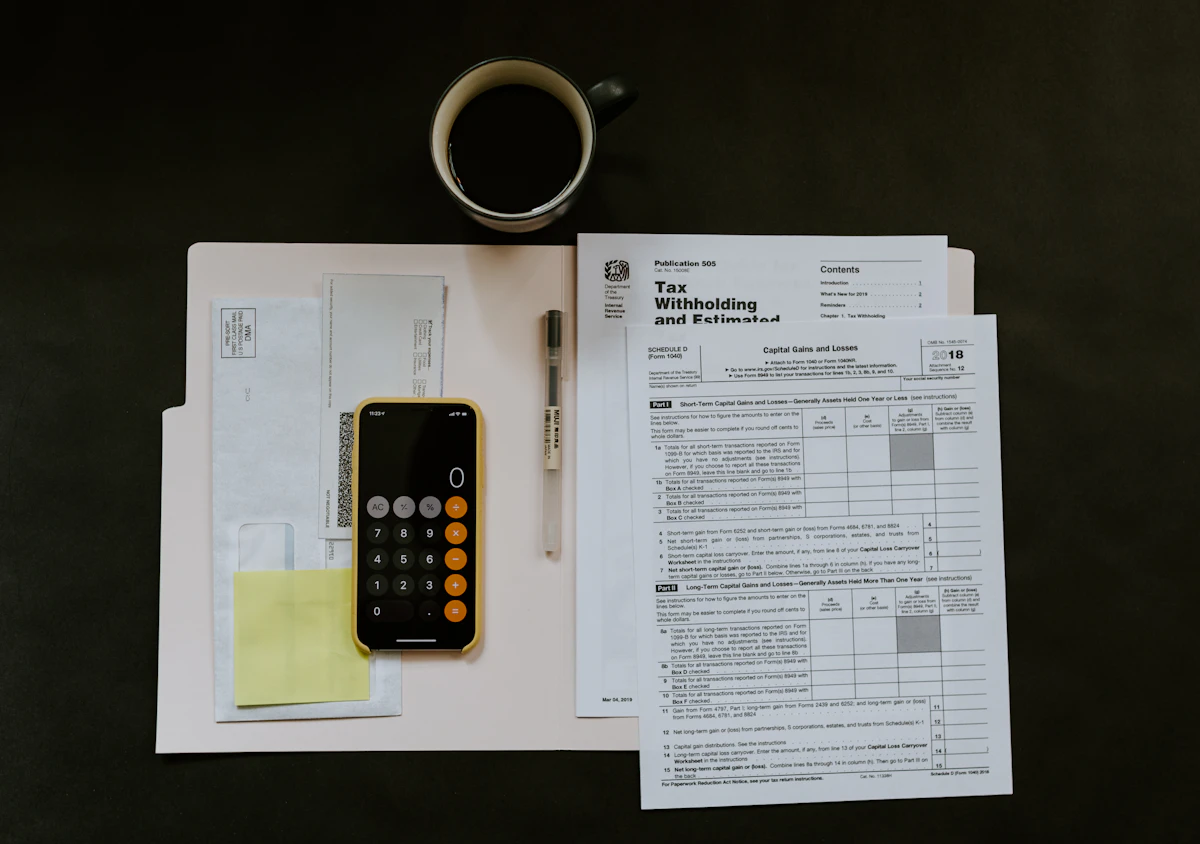
A premium is the amount paid for the policy. A deductible is an amount or threshold the policyholder must bear under the contract before certain benefits apply; a co-payment is a specified share of an eligible expense that the insured pays. The exact meaning and operation depend on the product wording. Lower premiums may come with higher deductibles, tighter limits, fewer benefits or other restrictions. Compare the likely total cost during a claim, not only the amount due today.
Ask whether premiums can change at renewal, whether age or claims affect pricing, and what happens if a payment is missed. Never assume a quote remains valid indefinitely. Read the payment schedule, renewal rules and consequences of a lapse before committing.
Read exclusions, waiting periods and limits carefully
Exclusions specify circumstances or losses the insurer does not cover. Waiting periods delay eligibility for some benefits, while sub-limits cap payments for particular services or items. Conditions may also require maintenance, security precautions, prompt notification or particular documents. These clauses can be more important than the headline benefit amount when a claim is assessed.
Read the policy schedule together with the full wording, endorsements and any add-on terms. Keep a copy of the exact version issued to you. If a sales explanation conflicts with written wording, ask for written clarification before purchase and consider independent advice for a complex decision.
Disclose information accurately when applying

Applications may ask about health, occupation, vehicle use, previous claims, property details or other facts relevant to underwriting. Answer carefully and accurately, and correct errors before the policy is issued. Do not allow anyone to fill in answers you have not reviewed. Keep copies of the proposal form, declarations, payment receipt and communications.
Incorrect or incomplete information can lead to delays, disputes or consequences under the policy and applicable law. If you are unsure how to answer a question, ask the insurer for an explanation and retain the response. Avoid sharing sensitive documents through unverified links or with unauthorised intermediaries.
How to check an insurer or intermediary
Verify that the insurer and the person or intermediary selling the policy are authorised for the relevant activity. Use official insurer channels and the Insurance Regulatory and Development Authority of India (IRDAI) website for regulatory information. Be cautious if someone pressures you to pay immediately, promises guaranteed approval without underwriting, asks for payment to a personal account or refuses to provide official policy documents.
Confirm the product name, policy number, premium, cover start date and insurer details after purchase. Contact the insurer through contact details independently obtained from its official website if a message or phone call seems suspicious. Never share one-time passwords or banking credentials to “activate” a policy.
What to do when you need to make a claim
Notify the insurer or assistance provider within the time and through the method stated in the policy. Explain what happened accurately, request a claim reference and ask for the required document list. Depending on the type of claim, documents may include the policy schedule, identity proof, bills, medical reports, repair estimates, photographs, police reports or other evidence. The insurer may request additional information according to the circumstances.
Keep copies of everything submitted and record dates, reference numbers and the names or channels used to communicate. Do not alter evidence or submit fabricated documents. If a claim is delayed or declined, request the written reasons and the relevant policy clauses, then follow the insurer’s grievance procedure and applicable escalation route.
Renewals, portability and reviewing your cover
Set a reminder before renewal so you have time to compare terms and confirm that the policy remains suitable. Review changes in premium, limits, exclusions, add-ons and personal circumstances. For products where portability or migration options exist, check the rules, timelines and continuity conditions directly with the insurer before making a change. Do not cancel existing cover until you understand when replacement protection would begin and whether any benefits could be affected.
Keep policy documents in a secure place that trusted family members can locate when necessary. Update nominee or contact details when appropriate and keep the insurer informed of material changes where the contract requires it.
Common insurance buying mistakes to avoid
- Choosing only by the lowest premium.
- Ignoring exclusions, waiting periods, deductibles and sub-limits.
- Providing inaccurate or incomplete application details.
- Assuming an employer policy will remain available after changing jobs.
- Buying overlapping products without understanding how benefits coordinate.
- Missing renewal dates or failing to keep policy documents.
- Trusting unsolicited calls, fake websites or personal-account payment requests.
- Assuming a claim is guaranteed without checking policy conditions.
A short comparison sheet can reduce these errors. Record the premium, cover amount, key limits, exclusions, claim steps, renewal terms and any unanswered questions for each shortlisted policy.
Questions to ask before buying a policy
- Which specific risks and expenses are covered?
- What are the most important exclusions and waiting periods?
- Are there deductibles, co-payments or sub-limits?
- What documents are required to make a claim?
- How do I contact the insurer in an emergency?
- Can the premium or terms change at renewal?
- What happens if I miss a payment or want to cancel?
- Where can I read the complete policy wording and benefit illustration?
Ask for answers in writing when they affect your decision. If the policy is complex or the financial consequences are significant, consider speaking with a qualified, appropriately authorised professional who can explain the options and any conflicts of interest.
Frequently asked questions about insurance in India
Which insurance should I buy first?
There is no universal order for everyone. Consider legal requirements, dependants, health risks, debts, property and existing employer or personal cover. Prioritise the financial risks that would be hardest for you or your household to absorb, then compare suitable products.
Is the cheapest policy the best option?
Not necessarily. A lower premium may be paired with higher out-of-pocket costs, narrower cover or more exclusions. Compare the wording, service process and likely cost during a claim alongside the premium.
Can an insurer reject a claim?
A claim can be declined or limited when the circumstances do not meet the policy terms or applicable requirements. Ask for the decision and reasons in writing, review the relevant wording and use the insurer’s formal grievance process if you disagree.
Where can I find official insurance information?
Start with the Insurance Regulatory and Development Authority of India (IRDAI) for regulatory information and the insurer’s official website for current policy wording, product disclosures and claim procedures. Verify contact details independently.
Final checklist: choose cover with confidence
Before paying, identify the risk, compare more than one suitable policy, read the exclusions and limits, check the insurer and intermediary, confirm all application details and save the documents. Review the policy after major life changes and before renewal. Insurance works best when the protection matches a real need and the policyholder understands how to use it.
Explore more practical resources on The Infinity Company and browse the Insurance section for future insurance guides. This article is informational and does not endorse a particular insurer or policy.
Healthy Habits for Busy Families: Simple Routines That Are Easier to Maintain
Healthy Habits for Busy Families: Simple Routines That Are Easier to Maintain is a practical guide for people who want to make steady, realistic improvements without relying on extreme rules or expensive products. The recommendations below are general information, not individual medical advice. Adapt them to your circumstances and speak with a qualified professional when you have symptoms, medical conditions or questions about what is safe for you.
Quick overview: the approach that is most likely to last

Begin with one manageable action, connect it to an existing part of your day and review how it feels. Consistency matters more than perfection. Build a routine that leaves room for work, family, rest, changing circumstances and professional guidance when needed.
Agree on a shared family goal
Family routines are more sustainable when they begin with one shared action rather than a complete lifestyle overhaul. Choose something that fits the household, such as eating one meal together when possible, preparing school bags the night before or taking a short evening walk. Invite family members to suggest options and adapt the plan to different ages and abilities. A routine should reduce friction, not become another source of conflict. For healthy habits for busy families: simple routines that are easier to maintain, the useful question is not whether a routine looks impressive but whether it supports everyday life. Start with your current circumstances, identify one change that is within reach, and make it specific enough to repeat. If a plan depends on perfect weather, unlimited time or expensive supplies, create a simpler alternative now. Use a short trial period to see what works. Write down what made the action easier, what got in the way and what should change next time. The aim is learning rather than judging yourself. Small adjustments often make a plan more realistic than abandoning it after a difficult day. Individual needs differ. Age, disability, medication, culture, finances, work schedules and existing health conditions can change which advice is suitable. Treat general guidance as a starting point, not a personal diagnosis or a substitute for professional advice when symptoms or medical questions are involved. Make the environment help you: prepare the necessary items in advance, place reminders where they are useful, and reduce unnecessary steps. If other people share the routine, explain the purpose and agree on responsibilities rather than assuming everyone has the same priorities. Review progress by looking for patterns over several weeks. One disrupted day says little about a habit; repeated barriers are useful information. Adjust the timing, scale or method, and ask for support when a problem is bigger than a personal routine can reasonably solve.
Make this step practical by deciding when it will happen, what you need beforehand and what the smaller version looks like on a busy day. Keep the first attempt easy enough to repeat. If it does not fit after a fair trial, change the method rather than treating the difficulty as a personal failure.
Create a simple weekly plan

Plan a small rotation of familiar meals and keep a few reliable ingredients available for busy days. Children can participate in age-appropriate tasks such as washing produce, setting the table or choosing between two vegetable options. Avoid using food as a reward or punishment, and respect allergies, medical needs and cultural preferences. Family meals do not have to be elaborate or happen at the same time every day to provide connection. For healthy habits for busy families: simple routines that are easier to maintain, the useful question is not whether a routine looks impressive but whether it supports everyday life. Start with your current circumstances, identify one change that is within reach, and make it specific enough to repeat. If a plan depends on perfect weather, unlimited time or expensive supplies, create a simpler alternative now. Use a short trial period to see what works. Write down what made the action easier, what got in the way and what should change next time. The aim is learning rather than judging yourself. Small adjustments often make a plan more realistic than abandoning it after a difficult day. Individual needs differ. Age, disability, medication, culture, finances, work schedules and existing health conditions can change which advice is suitable. Treat general guidance as a starting point, not a personal diagnosis or a substitute for professional advice when symptoms or medical questions are involved. Make the environment help you: prepare the necessary items in advance, place reminders where they are useful, and reduce unnecessary steps. If other people share the routine, explain the purpose and agree on responsibilities rather than assuming everyone has the same priorities. Review progress by looking for patterns over several weeks. One disrupted day says little about a habit; repeated barriers are useful information. Adjust the timing, scale or method, and ask for support when a problem is bigger than a personal routine can reasonably solve.
Make this step practical by deciding when it will happen, what you need beforehand and what the smaller version looks like on a busy day. Keep the first attempt easy enough to repeat. If it does not fit after a fair trial, change the method rather than treating the difficulty as a personal failure.
Keep healthy food accessible

Movement can include walks, dancing, cycling, active games, sports or household tasks, chosen according to age, ability, interests and safety. Let children see adults treating movement as a normal part of life rather than a punishment for eating. Plan for weather and transport, and keep a simple indoor alternative for days when outdoor activity is not practical. Avoid comparing family members’ bodies, speed or athletic ability; focus on enjoyment and participation. For healthy habits for busy families: simple routines that are easier to maintain, the useful question is not whether a routine looks impressive but whether it supports everyday life. Start with your current circumstances, identify one change that is within reach, and make it specific enough to repeat. If a plan depends on perfect weather, unlimited time or expensive supplies, create a simpler alternative now. Use a short trial period to see what works. Write down what made the action easier, what got in the way and what should change next time. The aim is learning rather than judging yourself. Small adjustments often make a plan more realistic than abandoning it after a difficult day. Individual needs differ. Age, disability, medication, culture, finances, work schedules and existing health conditions can change which advice is suitable. Treat general guidance as a starting point, not a personal diagnosis or a substitute for professional advice when symptoms or medical questions are involved. Make the environment help you: prepare the necessary items in advance, place reminders where they are useful, and reduce unnecessary steps. If other people share the routine, explain the purpose and agree on responsibilities rather than assuming everyone has the same priorities. Review progress by looking for patterns over several weeks. One disrupted day says little about a habit; repeated barriers are useful information. Adjust the timing, scale or method, and ask for support when a problem is bigger than a personal routine can reasonably solve.
Make this step practical by deciding when it will happen, what you need beforehand and what the smaller version looks like on a busy day. Keep the first attempt easy enough to repeat. If it does not fit after a fair trial, change the method rather than treating the difficulty as a personal failure.
Share age-appropriate responsibilities

Agree on realistic device routines that protect sleep, school or work responsibilities and face-to-face time. Adults should model the same boundaries they expect from children where possible. Keep bedtime steps predictable, allow time for winding down and adapt routines for age and individual needs. Screen rules work best when the reason is explained and family members can discuss what is difficult about following them. Avoid relying on a single rigid rule for every household. For healthy habits for busy families: simple routines that are easier to maintain, the useful question is not whether a routine looks impressive but whether it supports everyday life. Start with your current circumstances, identify one change that is within reach, and make it specific enough to repeat. If a plan depends on perfect weather, unlimited time or expensive supplies, create a simpler alternative now. Use a short trial period to see what works. Write down what made the action easier, what got in the way and what should change next time. The aim is learning rather than judging yourself. Small adjustments often make a plan more realistic than abandoning it after a difficult day. Individual needs differ. Age, disability, medication, culture, finances, work schedules and existing health conditions can change which advice is suitable. Treat general guidance as a starting point, not a personal diagnosis or a substitute for professional advice when symptoms or medical questions are involved. Make the environment help you: prepare the necessary items in advance, place reminders where they are useful, and reduce unnecessary steps. If other people share the routine, explain the purpose and agree on responsibilities rather than assuming everyone has the same priorities. Review progress by looking for patterns over several weeks. One disrupted day says little about a habit; repeated barriers are useful information. Adjust the timing, scale or method, and ask for support when a problem is bigger than a personal routine can reasonably solve.
Make this step practical by deciding when it will happen, what you need beforehand and what the smaller version looks like on a busy day. Keep the first attempt easy enough to repeat. If it does not fit after a fair trial, change the method rather than treating the difficulty as a personal failure.
Fit movement into family time

Short, regular conversations can make it easier for family members to share worries before they become overwhelming. Ask open questions, listen without immediately correcting, and acknowledge feelings even when a problem still needs solving. Privacy and age-appropriate boundaries matter; not every concern needs to be discussed in front of everyone. If someone is persistently distressed, unsafe or struggling to function, seek appropriate professional support rather than expecting family routines alone to resolve the problem. For healthy habits for busy families: simple routines that are easier to maintain, the useful question is not whether a routine looks impressive but whether it supports everyday life. Start with your current circumstances, identify one change that is within reach, and make it specific enough to repeat. If a plan depends on perfect weather, unlimited time or expensive supplies, create a simpler alternative now. Use a short trial period to see what works. Write down what made the action easier, what got in the way and what should change next time. The aim is learning rather than judging yourself. Small adjustments often make a plan more realistic than abandoning it after a difficult day. Individual needs differ. Age, disability, medication, culture, finances, work schedules and existing health conditions can change which advice is suitable. Treat general guidance as a starting point, not a personal diagnosis or a substitute for professional advice when symptoms or medical questions are involved. Make the environment help you: prepare the necessary items in advance, place reminders where they are useful, and reduce unnecessary steps. If other people share the routine, explain the purpose and agree on responsibilities rather than assuming everyone has the same priorities. Review progress by looking for patterns over several weeks. One disrupted day says little about a habit; repeated barriers are useful information. Adjust the timing, scale or method, and ask for support when a problem is bigger than a personal routine can reasonably solve.
Make this step practical by deciding when it will happen, what you need beforehand and what the smaller version looks like on a busy day. Keep the first attempt easy enough to repeat. If it does not fit after a fair trial, change the method rather than treating the difficulty as a personal failure.
Set practical evening routines

Family routines are more sustainable when they begin with one shared action rather than a complete lifestyle overhaul. Choose something that fits the household, such as eating one meal together when possible, preparing school bags the night before or taking a short evening walk. Invite family members to suggest options and adapt the plan to different ages and abilities. A routine should reduce friction, not become another source of conflict. For healthy habits for busy families: simple routines that are easier to maintain, the useful question is not whether a routine looks impressive but whether it supports everyday life. Start with your current circumstances, identify one change that is within reach, and make it specific enough to repeat. If a plan depends on perfect weather, unlimited time or expensive supplies, create a simpler alternative now. Use a short trial period to see what works. Write down what made the action easier, what got in the way and what should change next time. The aim is learning rather than judging yourself. Small adjustments often make a plan more realistic than abandoning it after a difficult day. Individual needs differ. Age, disability, medication, culture, finances, work schedules and existing health conditions can change which advice is suitable. Treat general guidance as a starting point, not a personal diagnosis or a substitute for professional advice when symptoms or medical questions are involved. Make the environment help you: prepare the necessary items in advance, place reminders where they are useful, and reduce unnecessary steps. If other people share the routine, explain the purpose and agree on responsibilities rather than assuming everyone has the same priorities. Review progress by looking for patterns over several weeks. One disrupted day says little about a habit; repeated barriers are useful information. Adjust the timing, scale or method, and ask for support when a problem is bigger than a personal routine can reasonably solve.
Make this step practical by deciding when it will happen, what you need beforehand and what the smaller version looks like on a busy day. Keep the first attempt easy enough to repeat. If it does not fit after a fair trial, change the method rather than treating the difficulty as a personal failure.
Plan around school and work

Plan a small rotation of familiar meals and keep a few reliable ingredients available for busy days. Children can participate in age-appropriate tasks such as washing produce, setting the table or choosing between two vegetable options. Avoid using food as a reward or punishment, and respect allergies, medical needs and cultural preferences. Family meals do not have to be elaborate or happen at the same time every day to provide connection. For healthy habits for busy families: simple routines that are easier to maintain, the useful question is not whether a routine looks impressive but whether it supports everyday life. Start with your current circumstances, identify one change that is within reach, and make it specific enough to repeat. If a plan depends on perfect weather, unlimited time or expensive supplies, create a simpler alternative now. Use a short trial period to see what works. Write down what made the action easier, what got in the way and what should change next time. The aim is learning rather than judging yourself. Small adjustments often make a plan more realistic than abandoning it after a difficult day. Individual needs differ. Age, disability, medication, culture, finances, work schedules and existing health conditions can change which advice is suitable. Treat general guidance as a starting point, not a personal diagnosis or a substitute for professional advice when symptoms or medical questions are involved. Make the environment help you: prepare the necessary items in advance, place reminders where they are useful, and reduce unnecessary steps. If other people share the routine, explain the purpose and agree on responsibilities rather than assuming everyone has the same priorities. Review progress by looking for patterns over several weeks. One disrupted day says little about a habit; repeated barriers are useful information. Adjust the timing, scale or method, and ask for support when a problem is bigger than a personal routine can reasonably solve.
Make this step practical by deciding when it will happen, what you need beforehand and what the smaller version looks like on a busy day. Keep the first attempt easy enough to repeat. If it does not fit after a fair trial, change the method rather than treating the difficulty as a personal failure.
Support connection during busy weeks

Movement can include walks, dancing, cycling, active games, sports or household tasks, chosen according to age, ability, interests and safety. Let children see adults treating movement as a normal part of life rather than a punishment for eating. Plan for weather and transport, and keep a simple indoor alternative for days when outdoor activity is not practical. Avoid comparing family members’ bodies, speed or athletic ability; focus on enjoyment and participation. For healthy habits for busy families: simple routines that are easier to maintain, the useful question is not whether a routine looks impressive but whether it supports everyday life. Start with your current circumstances, identify one change that is within reach, and make it specific enough to repeat. If a plan depends on perfect weather, unlimited time or expensive supplies, create a simpler alternative now. Use a short trial period to see what works. Write down what made the action easier, what got in the way and what should change next time. The aim is learning rather than judging yourself. Small adjustments often make a plan more realistic than abandoning it after a difficult day. Individual needs differ. Age, disability, medication, culture, finances, work schedules and existing health conditions can change which advice is suitable. Treat general guidance as a starting point, not a personal diagnosis or a substitute for professional advice when symptoms or medical questions are involved. Make the environment help you: prepare the necessary items in advance, place reminders where they are useful, and reduce unnecessary steps. If other people share the routine, explain the purpose and agree on responsibilities rather than assuming everyone has the same priorities. Review progress by looking for patterns over several weeks. One disrupted day says little about a habit; repeated barriers are useful information. Adjust the timing, scale or method, and ask for support when a problem is bigger than a personal routine can reasonably solve.
Make this step practical by deciding when it will happen, what you need beforehand and what the smaller version looks like on a busy day. Keep the first attempt easy enough to repeat. If it does not fit after a fair trial, change the method rather than treating the difficulty as a personal failure.
Create calmer screen habits

Agree on realistic device routines that protect sleep, school or work responsibilities and face-to-face time. Adults should model the same boundaries they expect from children where possible. Keep bedtime steps predictable, allow time for winding down and adapt routines for age and individual needs. Screen rules work best when the reason is explained and family members can discuss what is difficult about following them. Avoid relying on a single rigid rule for every household. For healthy habits for busy families: simple routines that are easier to maintain, the useful question is not whether a routine looks impressive but whether it supports everyday life. Start with your current circumstances, identify one change that is within reach, and make it specific enough to repeat. If a plan depends on perfect weather, unlimited time or expensive supplies, create a simpler alternative now. Use a short trial period to see what works. Write down what made the action easier, what got in the way and what should change next time. The aim is learning rather than judging yourself. Small adjustments often make a plan more realistic than abandoning it after a difficult day. Individual needs differ. Age, disability, medication, culture, finances, work schedules and existing health conditions can change which advice is suitable. Treat general guidance as a starting point, not a personal diagnosis or a substitute for professional advice when symptoms or medical questions are involved. Make the environment help you: prepare the necessary items in advance, place reminders where they are useful, and reduce unnecessary steps. If other people share the routine, explain the purpose and agree on responsibilities rather than assuming everyone has the same priorities. Review progress by looking for patterns over several weeks. One disrupted day says little about a habit; repeated barriers are useful information. Adjust the timing, scale or method, and ask for support when a problem is bigger than a personal routine can reasonably solve.
Make this step practical by deciding when it will happen, what you need beforehand and what the smaller version looks like on a busy day. Keep the first attempt easy enough to repeat. If it does not fit after a fair trial, change the method rather than treating the difficulty as a personal failure.
Make routines inclusive
Short, regular conversations can make it easier for family members to share worries before they become overwhelming. Ask open questions, listen without immediately correcting, and acknowledge feelings even when a problem still needs solving. Privacy and age-appropriate boundaries matter; not every concern needs to be discussed in front of everyone. If someone is persistently distressed, unsafe or struggling to function, seek appropriate professional support rather than expecting family routines alone to resolve the problem. For healthy habits for busy families: simple routines that are easier to maintain, the useful question is not whether a routine looks impressive but whether it supports everyday life. Start with your current circumstances, identify one change that is within reach, and make it specific enough to repeat. If a plan depends on perfect weather, unlimited time or expensive supplies, create a simpler alternative now. Use a short trial period to see what works. Write down what made the action easier, what got in the way and what should change next time. The aim is learning rather than judging yourself. Small adjustments often make a plan more realistic than abandoning it after a difficult day. Individual needs differ. Age, disability, medication, culture, finances, work schedules and existing health conditions can change which advice is suitable. Treat general guidance as a starting point, not a personal diagnosis or a substitute for professional advice when symptoms or medical questions are involved. Make the environment help you: prepare the necessary items in advance, place reminders where they are useful, and reduce unnecessary steps. If other people share the routine, explain the purpose and agree on responsibilities rather than assuming everyone has the same priorities. Review progress by looking for patterns over several weeks. One disrupted day says little about a habit; repeated barriers are useful information. Adjust the timing, scale or method, and ask for support when a problem is bigger than a personal routine can reasonably solve.
Make this step practical by deciding when it will happen, what you need beforehand and what the smaller version looks like on a busy day. Keep the first attempt easy enough to repeat. If it does not fit after a fair trial, change the method rather than treating the difficulty as a personal failure.
Manage disruptions and illness
Family routines are more sustainable when they begin with one shared action rather than a complete lifestyle overhaul. Choose something that fits the household, such as eating one meal together when possible, preparing school bags the night before or taking a short evening walk. Invite family members to suggest options and adapt the plan to different ages and abilities. A routine should reduce friction, not become another source of conflict. For healthy habits for busy families: simple routines that are easier to maintain, the useful question is not whether a routine looks impressive but whether it supports everyday life. Start with your current circumstances, identify one change that is within reach, and make it specific enough to repeat. If a plan depends on perfect weather, unlimited time or expensive supplies, create a simpler alternative now. Use a short trial period to see what works. Write down what made the action easier, what got in the way and what should change next time. The aim is learning rather than judging yourself. Small adjustments often make a plan more realistic than abandoning it after a difficult day. Individual needs differ. Age, disability, medication, culture, finances, work schedules and existing health conditions can change which advice is suitable. Treat general guidance as a starting point, not a personal diagnosis or a substitute for professional advice when symptoms or medical questions are involved. Make the environment help you: prepare the necessary items in advance, place reminders where they are useful, and reduce unnecessary steps. If other people share the routine, explain the purpose and agree on responsibilities rather than assuming everyone has the same priorities. Review progress by looking for patterns over several weeks. One disrupted day says little about a habit; repeated barriers are useful information. Adjust the timing, scale or method, and ask for support when a problem is bigger than a personal routine can reasonably solve.
Make this step practical by deciding when it will happen, what you need beforehand and what the smaller version looks like on a busy day. Keep the first attempt easy enough to repeat. If it does not fit after a fair trial, change the method rather than treating the difficulty as a personal failure.
Review what is working

Plan a small rotation of familiar meals and keep a few reliable ingredients available for busy days. Children can participate in age-appropriate tasks such as washing produce, setting the table or choosing between two vegetable options. Avoid using food as a reward or punishment, and respect allergies, medical needs and cultural preferences. Family meals do not have to be elaborate or happen at the same time every day to provide connection. For healthy habits for busy families: simple routines that are easier to maintain, the useful question is not whether a routine looks impressive but whether it supports everyday life. Start with your current circumstances, identify one change that is within reach, and make it specific enough to repeat. If a plan depends on perfect weather, unlimited time or expensive supplies, create a simpler alternative now. Use a short trial period to see what works. Write down what made the action easier, what got in the way and what should change next time. The aim is learning rather than judging yourself. Small adjustments often make a plan more realistic than abandoning it after a difficult day. Individual needs differ. Age, disability, medication, culture, finances, work schedules and existing health conditions can change which advice is suitable. Treat general guidance as a starting point, not a personal diagnosis or a substitute for professional advice when symptoms or medical questions are involved. Make the environment help you: prepare the necessary items in advance, place reminders where they are useful, and reduce unnecessary steps. If other people share the routine, explain the purpose and agree on responsibilities rather than assuming everyone has the same priorities. Review progress by looking for patterns over several weeks. One disrupted day says little about a habit; repeated barriers are useful information. Adjust the timing, scale or method, and ask for support when a problem is bigger than a personal routine can reasonably solve.
Make this step practical by deciding when it will happen, what you need beforehand and what the smaller version looks like on a busy day. Keep the first attempt easy enough to repeat. If it does not fit after a fair trial, change the method rather than treating the difficulty as a personal failure.
When outside support is useful

Movement can include walks, dancing, cycling, active games, sports or household tasks, chosen according to age, ability, interests and safety. Let children see adults treating movement as a normal part of life rather than a punishment for eating. Plan for weather and transport, and keep a simple indoor alternative for days when outdoor activity is not practical. Avoid comparing family members’ bodies, speed or athletic ability; focus on enjoyment and participation. For healthy habits for busy families: simple routines that are easier to maintain, the useful question is not whether a routine looks impressive but whether it supports everyday life. Start with your current circumstances, identify one change that is within reach, and make it specific enough to repeat. If a plan depends on perfect weather, unlimited time or expensive supplies, create a simpler alternative now. Use a short trial period to see what works. Write down what made the action easier, what got in the way and what should change next time. The aim is learning rather than judging yourself. Small adjustments often make a plan more realistic than abandoning it after a difficult day. Individual needs differ. Age, disability, medication, culture, finances, work schedules and existing health conditions can change which advice is suitable. Treat general guidance as a starting point, not a personal diagnosis or a substitute for professional advice when symptoms or medical questions are involved. Make the environment help you: prepare the necessary items in advance, place reminders where they are useful, and reduce unnecessary steps. If other people share the routine, explain the purpose and agree on responsibilities rather than assuming everyone has the same priorities. Review progress by looking for patterns over several weeks. One disrupted day says little about a habit; repeated barriers are useful information. Adjust the timing, scale or method, and ask for support when a problem is bigger than a personal routine can reasonably solve.
Make this step practical by deciding when it will happen, what you need beforehand and what the smaller version looks like on a busy day. Keep the first attempt easy enough to repeat. If it does not fit after a fair trial, change the method rather than treating the difficulty as a personal failure.
Frequently asked questions
Agree on realistic device routines that protect sleep, school or work responsibilities and face-to-face time. Adults should model the same boundaries they expect from children where possible. Keep bedtime steps predictable, allow time for winding down and adapt routines for age and individual needs. Screen rules work best when the reason is explained and family members can discuss what is difficult about following them. Avoid relying on a single rigid rule for every household. For healthy habits for busy families: simple routines that are easier to maintain, the useful question is not whether a routine looks impressive but whether it supports everyday life. Start with your current circumstances, identify one change that is within reach, and make it specific enough to repeat. If a plan depends on perfect weather, unlimited time or expensive supplies, create a simpler alternative now. Use a short trial period to see what works. Write down what made the action easier, what got in the way and what should change next time. The aim is learning rather than judging yourself. Small adjustments often make a plan more realistic than abandoning it after a difficult day. Individual needs differ. Age, disability, medication, culture, finances, work schedules and existing health conditions can change which advice is suitable. Treat general guidance as a starting point, not a personal diagnosis or a substitute for professional advice when symptoms or medical questions are involved. Make the environment help you: prepare the necessary items in advance, place reminders where they are useful, and reduce unnecessary steps. If other people share the routine, explain the purpose and agree on responsibilities rather than assuming everyone has the same priorities. Review progress by looking for patterns over several weeks. One disrupted day says little about a habit; repeated barriers are useful information. Adjust the timing, scale or method, and ask for support when a problem is bigger than a personal routine can reasonably solve.
Make this step practical by deciding when it will happen, what you need beforehand and what the smaller version looks like on a busy day. Keep the first attempt easy enough to repeat. If it does not fit after a fair trial, change the method rather than treating the difficulty as a personal failure.
Frequently asked questions

How can a busy family begin?
Choose one shared habit that fits the schedule and review it together before adding another.
What if family members have different needs?
Adapt the routine by age, ability, preference and health needs rather than forcing one identical approach on everyone.
When is outside support appropriate?
Seek qualified support when distress, health concerns or family difficulties persist or affect everyday functioning.
Make the next step easy

Choose one step from this guide and put it into your calendar or daily routine. Keep expectations realistic, notice what helps and revise the plan as your needs change. The Infinity Company shares practical guides intended to help readers make informed everyday decisions.
Explore The Infinity Company for more practical guides, and browse the Health & Lifestyle section for related reading.
For reliable health information, consult established sources such as the World Health Organization and, where relevant, your national or local health service. Use professional advice for personal medical decisions.
How to Improve Sleep Quality: Everyday Habits That Support Better Rest
How to Improve Sleep Quality: Everyday Habits That Support Better Rest is a practical guide for people who want to make steady, realistic improvements without relying on extreme rules or expensive products. The recommendations below are general information, not individual medical advice. Adapt them to your circumstances and speak with a qualified professional when you have symptoms, medical conditions or questions about what is safe for you.
Quick overview: the approach that is most likely to last

Begin with one manageable action, connect it to an existing part of your day and review how it feels. Consistency matters more than perfection. Build a routine that leaves room for work, family, rest, changing circumstances and professional guidance when needed.
Estimate your sleep opportunity
A regular wake time can help anchor your daily rhythm, including on days when bedtime varies. Choose a schedule that allows enough opportunity for sleep for your age and circumstances, then adjust it gradually if needed. Large shifts between weekdays and weekends may make it harder for some people to fall asleep at their preferred time. Consistency does not mean every night must be identical; shift work, caregiving and travel can complicate routines. Focus on the pattern you can realistically control. For how to improve sleep quality: everyday habits that support better rest, the useful question is not whether a routine looks impressive but whether it supports everyday life. Start with your current circumstances, identify one change that is within reach, and make it specific enough to repeat. If a plan depends on perfect weather, unlimited time or expensive supplies, create a simpler alternative now. Use a short trial period to see what works. Write down what made the action easier, what got in the way and what should change next time. The aim is learning rather than judging yourself. Small adjustments often make a plan more realistic than abandoning it after a difficult day. Individual needs differ. Age, disability, medication, culture, finances, work schedules and existing health conditions can change which advice is suitable. Treat general guidance as a starting point, not a personal diagnosis or a substitute for professional advice when symptoms or medical questions are involved. Make the environment help you: prepare the necessary items in advance, place reminders where they are useful, and reduce unnecessary steps. If other people share the routine, explain the purpose and agree on responsibilities rather than assuming everyone has the same priorities. Review progress by looking for patterns over several weeks. One disrupted day says little about a habit; repeated barriers are useful information. Adjust the timing, scale or method, and ask for support when a problem is bigger than a personal routine can reasonably solve.
Make this step practical by deciding when it will happen, what you need beforehand and what the smaller version looks like on a busy day. Keep the first attempt easy enough to repeat. If it does not fit after a fair trial, change the method rather than treating the difficulty as a personal failure.
Use morning light and daytime cues
Create a short sequence that signals the day is slowing down: dim lights, prepare items for tomorrow, read something calming or listen to quiet audio. Reduce demanding work close to bedtime when possible, and experiment with moving difficult conversations or intense tasks earlier. If a particular relaxation method makes you more alert, choose another. A routine should feel supportive, not like a long checklist that creates pressure to sleep perfectly. For how to improve sleep quality: everyday habits that support better rest, the useful question is not whether a routine looks impressive but whether it supports everyday life. Start with your current circumstances, identify one change that is within reach, and make it specific enough to repeat. If a plan depends on perfect weather, unlimited time or expensive supplies, create a simpler alternative now. Use a short trial period to see what works. Write down what made the action easier, what got in the way and what should change next time. The aim is learning rather than judging yourself. Small adjustments often make a plan more realistic than abandoning it after a difficult day. Individual needs differ. Age, disability, medication, culture, finances, work schedules and existing health conditions can change which advice is suitable. Treat general guidance as a starting point, not a personal diagnosis or a substitute for professional advice when symptoms or medical questions are involved. Make the environment help you: prepare the necessary items in advance, place reminders where they are useful, and reduce unnecessary steps. If other people share the routine, explain the purpose and agree on responsibilities rather than assuming everyone has the same priorities. Review progress by looking for patterns over several weeks. One disrupted day says little about a habit; repeated barriers are useful information. Adjust the timing, scale or method, and ask for support when a problem is bigger than a personal routine can reasonably solve.
Make this step practical by deciding when it will happen, what you need beforehand and what the smaller version looks like on a busy day. Keep the first attempt easy enough to repeat. If it does not fit after a fair trial, change the method rather than treating the difficulty as a personal failure.
Prepare the bedroom
Consider darkness, noise, temperature, bedding and whether other people or pets interrupt rest. Eye masks, earplugs, curtains or a fan may help in some circumstances if they are safe and suitable for you. Keep the bed associated with rest where practical. If your environment cannot be fully controlled, identify the single change likely to make the biggest difference rather than waiting for ideal conditions. For how to improve sleep quality: everyday habits that support better rest, the useful question is not whether a routine looks impressive but whether it supports everyday life. Start with your current circumstances, identify one change that is within reach, and make it specific enough to repeat. If a plan depends on perfect weather, unlimited time or expensive supplies, create a simpler alternative now. Use a short trial period to see what works. Write down what made the action easier, what got in the way and what should change next time. The aim is learning rather than judging yourself. Small adjustments often make a plan more realistic than abandoning it after a difficult day. Individual needs differ. Age, disability, medication, culture, finances, work schedules and existing health conditions can change which advice is suitable. Treat general guidance as a starting point, not a personal diagnosis or a substitute for professional advice when symptoms or medical questions are involved. Make the environment help you: prepare the necessary items in advance, place reminders where they are useful, and reduce unnecessary steps. If other people share the routine, explain the purpose and agree on responsibilities rather than assuming everyone has the same priorities. Review progress by looking for patterns over several weeks. One disrupted day says little about a habit; repeated barriers are useful information. Adjust the timing, scale or method, and ask for support when a problem is bigger than a personal routine can reasonably solve.
Make this step practical by deciding when it will happen, what you need beforehand and what the smaller version looks like on a busy day. Keep the first attempt easy enough to repeat. If it does not fit after a fair trial, change the method rather than treating the difficulty as a personal failure.
Create a low-pressure bedtime routine
People differ in sensitivity to caffeine, so consider whether timing and quantity affect your sleep. Alcohol may make someone feel sleepy at first but can disrupt sleep later. Long or late naps can reduce sleep pressure for some people, while brief naps may be helpful in other circumstances. Bright screens and stimulating content can delay winding down; setting a stopping point may be more useful than adopting a rigid rule that is impossible to maintain. Observe patterns over several days rather than drawing conclusions from one night. For how to improve sleep quality: everyday habits that support better rest, the useful question is not whether a routine looks impressive but whether it supports everyday life. Start with your current circumstances, identify one change that is within reach, and make it specific enough to repeat. If a plan depends on perfect weather, unlimited time or expensive supplies, create a simpler alternative now. Use a short trial period to see what works. Write down what made the action easier, what got in the way and what should change next time. The aim is learning rather than judging yourself. Small adjustments often make a plan more realistic than abandoning it after a difficult day. Individual needs differ. Age, disability, medication, culture, finances, work schedules and existing health conditions can change which advice is suitable. Treat general guidance as a starting point, not a personal diagnosis or a substitute for professional advice when symptoms or medical questions are involved. Make the environment help you: prepare the necessary items in advance, place reminders where they are useful, and reduce unnecessary steps. If other people share the routine, explain the purpose and agree on responsibilities rather than assuming everyone has the same priorities. Review progress by looking for patterns over several weeks. One disrupted day says little about a habit; repeated barriers are useful information. Adjust the timing, scale or method, and ask for support when a problem is bigger than a personal routine can reasonably solve.
Make this step practical by deciding when it will happen, what you need beforehand and what the smaller version looks like on a busy day. Keep the first attempt easy enough to repeat. If it does not fit after a fair trial, change the method rather than treating the difficulty as a personal failure.
Manage a racing mind
Seek professional advice for persistent insomnia, loud snoring with choking or gasping, severe daytime sleepiness, unusual movements during sleep or symptoms that interfere with work, study or safety. Sleep difficulties can have medical, psychological, medication-related and environmental causes. Do not start or combine sleep medicines or supplements without checking suitability and interactions with a qualified professional. A sleep diary can help a clinician understand schedules, awakenings and daytime effects. For how to improve sleep quality: everyday habits that support better rest, the useful question is not whether a routine looks impressive but whether it supports everyday life. Start with your current circumstances, identify one change that is within reach, and make it specific enough to repeat. If a plan depends on perfect weather, unlimited time or expensive supplies, create a simpler alternative now. Use a short trial period to see what works. Write down what made the action easier, what got in the way and what should change next time. The aim is learning rather than judging yourself. Small adjustments often make a plan more realistic than abandoning it after a difficult day. Individual needs differ. Age, disability, medication, culture, finances, work schedules and existing health conditions can change which advice is suitable. Treat general guidance as a starting point, not a personal diagnosis or a substitute for professional advice when symptoms or medical questions are involved. Make the environment help you: prepare the necessary items in advance, place reminders where they are useful, and reduce unnecessary steps. If other people share the routine, explain the purpose and agree on responsibilities rather than assuming everyone has the same priorities. Review progress by looking for patterns over several weeks. One disrupted day says little about a habit; repeated barriers are useful information. Adjust the timing, scale or method, and ask for support when a problem is bigger than a personal routine can reasonably solve.
Make this step practical by deciding when it will happen, what you need beforehand and what the smaller version looks like on a busy day. Keep the first attempt easy enough to repeat. If it does not fit after a fair trial, change the method rather than treating the difficulty as a personal failure.
Consider caffeine timing
A regular wake time can help anchor your daily rhythm, including on days when bedtime varies. Choose a schedule that allows enough opportunity for sleep for your age and circumstances, then adjust it gradually if needed. Large shifts between weekdays and weekends may make it harder for some people to fall asleep at their preferred time. Consistency does not mean every night must be identical; shift work, caregiving and travel can complicate routines. Focus on the pattern you can realistically control. For how to improve sleep quality: everyday habits that support better rest, the useful question is not whether a routine looks impressive but whether it supports everyday life. Start with your current circumstances, identify one change that is within reach, and make it specific enough to repeat. If a plan depends on perfect weather, unlimited time or expensive supplies, create a simpler alternative now. Use a short trial period to see what works. Write down what made the action easier, what got in the way and what should change next time. The aim is learning rather than judging yourself. Small adjustments often make a plan more realistic than abandoning it after a difficult day. Individual needs differ. Age, disability, medication, culture, finances, work schedules and existing health conditions can change which advice is suitable. Treat general guidance as a starting point, not a personal diagnosis or a substitute for professional advice when symptoms or medical questions are involved. Make the environment help you: prepare the necessary items in advance, place reminders where they are useful, and reduce unnecessary steps. If other people share the routine, explain the purpose and agree on responsibilities rather than assuming everyone has the same priorities. Review progress by looking for patterns over several weeks. One disrupted day says little about a habit; repeated barriers are useful information. Adjust the timing, scale or method, and ask for support when a problem is bigger than a personal routine can reasonably solve.
Make this step practical by deciding when it will happen, what you need beforehand and what the smaller version looks like on a busy day. Keep the first attempt easy enough to repeat. If it does not fit after a fair trial, change the method rather than treating the difficulty as a personal failure.
Think carefully about naps
Create a short sequence that signals the day is slowing down: dim lights, prepare items for tomorrow, read something calming or listen to quiet audio. Reduce demanding work close to bedtime when possible, and experiment with moving difficult conversations or intense tasks earlier. If a particular relaxation method makes you more alert, choose another. A routine should feel supportive, not like a long checklist that creates pressure to sleep perfectly. For how to improve sleep quality: everyday habits that support better rest, the useful question is not whether a routine looks impressive but whether it supports everyday life. Start with your current circumstances, identify one change that is within reach, and make it specific enough to repeat. If a plan depends on perfect weather, unlimited time or expensive supplies, create a simpler alternative now. Use a short trial period to see what works. Write down what made the action easier, what got in the way and what should change next time. The aim is learning rather than judging yourself. Small adjustments often make a plan more realistic than abandoning it after a difficult day. Individual needs differ. Age, disability, medication, culture, finances, work schedules and existing health conditions can change which advice is suitable. Treat general guidance as a starting point, not a personal diagnosis or a substitute for professional advice when symptoms or medical questions are involved. Make the environment help you: prepare the necessary items in advance, place reminders where they are useful, and reduce unnecessary steps. If other people share the routine, explain the purpose and agree on responsibilities rather than assuming everyone has the same priorities. Review progress by looking for patterns over several weeks. One disrupted day says little about a habit; repeated barriers are useful information. Adjust the timing, scale or method, and ask for support when a problem is bigger than a personal routine can reasonably solve.
Make this step practical by deciding when it will happen, what you need beforehand and what the smaller version looks like on a busy day. Keep the first attempt easy enough to repeat. If it does not fit after a fair trial, change the method rather than treating the difficulty as a personal failure.
Adapt sleep around shift work
Consider darkness, noise, temperature, bedding and whether other people or pets interrupt rest. Eye masks, earplugs, curtains or a fan may help in some circumstances if they are safe and suitable for you. Keep the bed associated with rest where practical. If your environment cannot be fully controlled, identify the single change likely to make the biggest difference rather than waiting for ideal conditions. For how to improve sleep quality: everyday habits that support better rest, the useful question is not whether a routine looks impressive but whether it supports everyday life. Start with your current circumstances, identify one change that is within reach, and make it specific enough to repeat. If a plan depends on perfect weather, unlimited time or expensive supplies, create a simpler alternative now. Use a short trial period to see what works. Write down what made the action easier, what got in the way and what should change next time. The aim is learning rather than judging yourself. Small adjustments often make a plan more realistic than abandoning it after a difficult day. Individual needs differ. Age, disability, medication, culture, finances, work schedules and existing health conditions can change which advice is suitable. Treat general guidance as a starting point, not a personal diagnosis or a substitute for professional advice when symptoms or medical questions are involved. Make the environment help you: prepare the necessary items in advance, place reminders where they are useful, and reduce unnecessary steps. If other people share the routine, explain the purpose and agree on responsibilities rather than assuming everyone has the same priorities. Review progress by looking for patterns over several weeks. One disrupted day says little about a habit; repeated barriers are useful information. Adjust the timing, scale or method, and ask for support when a problem is bigger than a personal routine can reasonably solve.
Make this step practical by deciding when it will happen, what you need beforehand and what the smaller version looks like on a busy day. Keep the first attempt easy enough to repeat. If it does not fit after a fair trial, change the method rather than treating the difficulty as a personal failure.
Travel and changing time zones
People differ in sensitivity to caffeine, so consider whether timing and quantity affect your sleep. Alcohol may make someone feel sleepy at first but can disrupt sleep later. Long or late naps can reduce sleep pressure for some people, while brief naps may be helpful in other circumstances. Bright screens and stimulating content can delay winding down; setting a stopping point may be more useful than adopting a rigid rule that is impossible to maintain. Observe patterns over several days rather than drawing conclusions from one night. For how to improve sleep quality: everyday habits that support better rest, the useful question is not whether a routine looks impressive but whether it supports everyday life. Start with your current circumstances, identify one change that is within reach, and make it specific enough to repeat. If a plan depends on perfect weather, unlimited time or expensive supplies, create a simpler alternative now. Use a short trial period to see what works. Write down what made the action easier, what got in the way and what should change next time. The aim is learning rather than judging yourself. Small adjustments often make a plan more realistic than abandoning it after a difficult day. Individual needs differ. Age, disability, medication, culture, finances, work schedules and existing health conditions can change which advice is suitable. Treat general guidance as a starting point, not a personal diagnosis or a substitute for professional advice when symptoms or medical questions are involved. Make the environment help you: prepare the necessary items in advance, place reminders where they are useful, and reduce unnecessary steps. If other people share the routine, explain the purpose and agree on responsibilities rather than assuming everyone has the same priorities. Review progress by looking for patterns over several weeks. One disrupted day says little about a habit; repeated barriers are useful information. Adjust the timing, scale or method, and ask for support when a problem is bigger than a personal routine can reasonably solve.
Make this step practical by deciding when it will happen, what you need beforehand and what the smaller version looks like on a busy day. Keep the first attempt easy enough to repeat. If it does not fit after a fair trial, change the method rather than treating the difficulty as a personal failure.
Handle night awakenings calmly
Seek professional advice for persistent insomnia, loud snoring with choking or gasping, severe daytime sleepiness, unusual movements during sleep or symptoms that interfere with work, study or safety. Sleep difficulties can have medical, psychological, medication-related and environmental causes. Do not start or combine sleep medicines or supplements without checking suitability and interactions with a qualified professional. A sleep diary can help a clinician understand schedules, awakenings and daytime effects. For how to improve sleep quality: everyday habits that support better rest, the useful question is not whether a routine looks impressive but whether it supports everyday life. Start with your current circumstances, identify one change that is within reach, and make it specific enough to repeat. If a plan depends on perfect weather, unlimited time or expensive supplies, create a simpler alternative now. Use a short trial period to see what works. Write down what made the action easier, what got in the way and what should change next time. The aim is learning rather than judging yourself. Small adjustments often make a plan more realistic than abandoning it after a difficult day. Individual needs differ. Age, disability, medication, culture, finances, work schedules and existing health conditions can change which advice is suitable. Treat general guidance as a starting point, not a personal diagnosis or a substitute for professional advice when symptoms or medical questions are involved. Make the environment help you: prepare the necessary items in advance, place reminders where they are useful, and reduce unnecessary steps. If other people share the routine, explain the purpose and agree on responsibilities rather than assuming everyone has the same priorities. Review progress by looking for patterns over several weeks. One disrupted day says little about a habit; repeated barriers are useful information. Adjust the timing, scale or method, and ask for support when a problem is bigger than a personal routine can reasonably solve.
Make this step practical by deciding when it will happen, what you need beforehand and what the smaller version looks like on a busy day. Keep the first attempt easy enough to repeat. If it does not fit after a fair trial, change the method rather than treating the difficulty as a personal failure.
Track patterns without obsessing
A regular wake time can help anchor your daily rhythm, including on days when bedtime varies. Choose a schedule that allows enough opportunity for sleep for your age and circumstances, then adjust it gradually if needed. Large shifts between weekdays and weekends may make it harder for some people to fall asleep at their preferred time. Consistency does not mean every night must be identical; shift work, caregiving and travel can complicate routines. Focus on the pattern you can realistically control. For how to improve sleep quality: everyday habits that support better rest, the useful question is not whether a routine looks impressive but whether it supports everyday life. Start with your current circumstances, identify one change that is within reach, and make it specific enough to repeat. If a plan depends on perfect weather, unlimited time or expensive supplies, create a simpler alternative now. Use a short trial period to see what works. Write down what made the action easier, what got in the way and what should change next time. The aim is learning rather than judging yourself. Small adjustments often make a plan more realistic than abandoning it after a difficult day. Individual needs differ. Age, disability, medication, culture, finances, work schedules and existing health conditions can change which advice is suitable. Treat general guidance as a starting point, not a personal diagnosis or a substitute for professional advice when symptoms or medical questions are involved. Make the environment help you: prepare the necessary items in advance, place reminders where they are useful, and reduce unnecessary steps. If other people share the routine, explain the purpose and agree on responsibilities rather than assuming everyone has the same priorities. Review progress by looking for patterns over several weeks. One disrupted day says little about a habit; repeated barriers are useful information. Adjust the timing, scale or method, and ask for support when a problem is bigger than a personal routine can reasonably solve.
Make this step practical by deciding when it will happen, what you need beforehand and what the smaller version looks like on a busy day. Keep the first attempt easy enough to repeat. If it does not fit after a fair trial, change the method rather than treating the difficulty as a personal failure.
Support sleep in children and adults
Create a short sequence that signals the day is slowing down: dim lights, prepare items for tomorrow, read something calming or listen to quiet audio. Reduce demanding work close to bedtime when possible, and experiment with moving difficult conversations or intense tasks earlier. If a particular relaxation method makes you more alert, choose another. A routine should feel supportive, not like a long checklist that creates pressure to sleep perfectly. For how to improve sleep quality: everyday habits that support better rest, the useful question is not whether a routine looks impressive but whether it supports everyday life. Start with your current circumstances, identify one change that is within reach, and make it specific enough to repeat. If a plan depends on perfect weather, unlimited time or expensive supplies, create a simpler alternative now. Use a short trial period to see what works. Write down what made the action easier, what got in the way and what should change next time. The aim is learning rather than judging yourself. Small adjustments often make a plan more realistic than abandoning it after a difficult day. Individual needs differ. Age, disability, medication, culture, finances, work schedules and existing health conditions can change which advice is suitable. Treat general guidance as a starting point, not a personal diagnosis or a substitute for professional advice when symptoms or medical questions are involved. Make the environment help you: prepare the necessary items in advance, place reminders where they are useful, and reduce unnecessary steps. If other people share the routine, explain the purpose and agree on responsibilities rather than assuming everyone has the same priorities. Review progress by looking for patterns over several weeks. One disrupted day says little about a habit; repeated barriers are useful information. Adjust the timing, scale or method, and ask for support when a problem is bigger than a personal routine can reasonably solve.
Make this step practical by deciding when it will happen, what you need beforehand and what the smaller version looks like on a busy day. Keep the first attempt easy enough to repeat. If it does not fit after a fair trial, change the method rather than treating the difficulty as a personal failure.
When medical assessment matters
Consider darkness, noise, temperature, bedding and whether other people or pets interrupt rest. Eye masks, earplugs, curtains or a fan may help in some circumstances if they are safe and suitable for you. Keep the bed associated with rest where practical. If your environment cannot be fully controlled, identify the single change likely to make the biggest difference rather than waiting for ideal conditions. For how to improve sleep quality: everyday habits that support better rest, the useful question is not whether a routine looks impressive but whether it supports everyday life. Start with your current circumstances, identify one change that is within reach, and make it specific enough to repeat. If a plan depends on perfect weather, unlimited time or expensive supplies, create a simpler alternative now. Use a short trial period to see what works. Write down what made the action easier, what got in the way and what should change next time. The aim is learning rather than judging yourself. Small adjustments often make a plan more realistic than abandoning it after a difficult day. Individual needs differ. Age, disability, medication, culture, finances, work schedules and existing health conditions can change which advice is suitable. Treat general guidance as a starting point, not a personal diagnosis or a substitute for professional advice when symptoms or medical questions are involved. Make the environment help you: prepare the necessary items in advance, place reminders where they are useful, and reduce unnecessary steps. If other people share the routine, explain the purpose and agree on responsibilities rather than assuming everyone has the same priorities. Review progress by looking for patterns over several weeks. One disrupted day says little about a habit; repeated barriers are useful information. Adjust the timing, scale or method, and ask for support when a problem is bigger than a personal routine can reasonably solve.
Make this step practical by deciding when it will happen, what you need beforehand and what the smaller version looks like on a busy day. Keep the first attempt easy enough to repeat. If it does not fit after a fair trial, change the method rather than treating the difficulty as a personal failure.
Frequently asked questions
People differ in sensitivity to caffeine, so consider whether timing and quantity affect your sleep. Alcohol may make someone feel sleepy at first but can disrupt sleep later. Long or late naps can reduce sleep pressure for some people, while brief naps may be helpful in other circumstances. Bright screens and stimulating content can delay winding down; setting a stopping point may be more useful than adopting a rigid rule that is impossible to maintain. Observe patterns over several days rather than drawing conclusions from one night. For how to improve sleep quality: everyday habits that support better rest, the useful question is not whether a routine looks impressive but whether it supports everyday life. Start with your current circumstances, identify one change that is within reach, and make it specific enough to repeat. If a plan depends on perfect weather, unlimited time or expensive supplies, create a simpler alternative now. Use a short trial period to see what works. Write down what made the action easier, what got in the way and what should change next time. The aim is learning rather than judging yourself. Small adjustments often make a plan more realistic than abandoning it after a difficult day. Individual needs differ. Age, disability, medication, culture, finances, work schedules and existing health conditions can change which advice is suitable. Treat general guidance as a starting point, not a personal diagnosis or a substitute for professional advice when symptoms or medical questions are involved. Make the environment help you: prepare the necessary items in advance, place reminders where they are useful, and reduce unnecessary steps. If other people share the routine, explain the purpose and agree on responsibilities rather than assuming everyone has the same priorities. Review progress by looking for patterns over several weeks. One disrupted day says little about a habit; repeated barriers are useful information. Adjust the timing, scale or method, and ask for support when a problem is bigger than a personal routine can reasonably solve.
Make this step practical by deciding when it will happen, what you need beforehand and what the smaller version looks like on a busy day. Keep the first attempt easy enough to repeat. If it does not fit after a fair trial, change the method rather than treating the difficulty as a personal failure.
Frequently asked questions

What if I cannot fall asleep?
Avoid turning sleep into a performance test. Keep routines calm and seek professional advice if difficulty persists or affects daytime functioning.
Are sleep supplements always safe?
No. Products can have side effects and interactions. Check with a qualified clinician or pharmacist before using them.
When should sleep problems be checked?
Persistent insomnia, severe daytime sleepiness or snoring with choking or gasping warrant professional assessment.
Make the next step easy
Choose one step from this guide and put it into your calendar or daily routine. Keep expectations realistic, notice what helps and revise the plan as your needs change. The Infinity Company shares practical guides intended to help readers make informed everyday decisions.
Explore The Infinity Company for more practical guides, and browse the Health & Lifestyle section for related reading.
For reliable health information, consult established sources such as the World Health Organization and, where relevant, your national or local health service. Use professional advice for personal medical decisions.
Stress Management Techniques for Everyday Life: A Practical Guide
Stress Management Techniques for Everyday Life: A Practical Guide is a practical guide for people who want to make steady, realistic improvements without relying on extreme rules or expensive products. The recommendations below are general information, not individual medical advice. Adapt them to your circumstances and speak with a qualified professional when you have symptoms, medical conditions or questions about what is safe for you.
Quick overview: the approach that is most likely to last
Begin with one manageable action, connect it to an existing part of your day and review how it feels. Consistency matters more than perfection. Build a routine that leaves room for work, family, rest, changing circumstances and professional guidance when needed.
Map your main stressors
Stress can appear as irritability, difficulty concentrating, muscle tension, changes in sleep, headaches or feeling overwhelmed. The signs vary, and they can overlap with other health conditions, so do not diagnose yourself from a checklist. Notice when symptoms arise, what was happening beforehand and which responsibilities feel most demanding. A brief note can help identify patterns such as too many commitments, unclear expectations or a lack of recovery time. Awareness is not about blaming yourself; it is a way to decide which small change might help. For stress management techniques for everyday life: a practical guide, the useful question is not whether a routine looks impressive but whether it supports everyday life. Start with your current circumstances, identify one change that is within reach, and make it specific enough to repeat. If a plan depends on perfect weather, unlimited time or expensive supplies, create a simpler alternative now. Use a short trial period to see what works. Write down what made the action easier, what got in the way and what should change next time. The aim is learning rather than judging yourself. Small adjustments often make a plan more realistic than abandoning it after a difficult day. Individual needs differ. Age, disability, medication, culture, finances, work schedules and existing health conditions can change which advice is suitable. Treat general guidance as a starting point, not a personal diagnosis or a substitute for professional advice when symptoms or medical questions are involved. Make the environment help you: prepare the necessary items in advance, place reminders where they are useful, and reduce unnecessary steps. If other people share the routine, explain the purpose and agree on responsibilities rather than assuming everyone has the same priorities. Review progress by looking for patterns over several weeks. One disrupted day says little about a habit; repeated barriers are useful information. Adjust the timing, scale or method, and ask for support when a problem is bigger than a personal routine can reasonably solve.
Make this step practical by deciding when it will happen, what you need beforehand and what the smaller version looks like on a busy day. Keep the first attempt easy enough to repeat. If it does not fit after a fair trial, change the method rather than treating the difficulty as a personal failure.
Create a two-minute reset
A short pause can interrupt the automatic rush from one demand to the next. Sit or stand comfortably, relax your shoulders if possible and breathe gently at a pace that feels natural. There is no need to force deep breaths or hold your breath. If focusing on breathing makes you uncomfortable, shift attention to your feet on the floor, objects in the room or sounds around you. These techniques are not a substitute for treatment when stress is severe, but they can create a moment in which to choose your next action. For stress management techniques for everyday life: a practical guide, the useful question is not whether a routine looks impressive but whether it supports everyday life. Start with your current circumstances, identify one change that is within reach, and make it specific enough to repeat. If a plan depends on perfect weather, unlimited time or expensive supplies, create a simpler alternative now. Use a short trial period to see what works. Write down what made the action easier, what got in the way and what should change next time. The aim is learning rather than judging yourself. Small adjustments often make a plan more realistic than abandoning it after a difficult day. Individual needs differ. Age, disability, medication, culture, finances, work schedules and existing health conditions can change which advice is suitable. Treat general guidance as a starting point, not a personal diagnosis or a substitute for professional advice when symptoms or medical questions are involved. Make the environment help you: prepare the necessary items in advance, place reminders where they are useful, and reduce unnecessary steps. If other people share the routine, explain the purpose and agree on responsibilities rather than assuming everyone has the same priorities. Review progress by looking for patterns over several weeks. One disrupted day says little about a habit; repeated barriers are useful information. Adjust the timing, scale or method, and ask for support when a problem is bigger than a personal routine can reasonably solve.
Make this step practical by deciding when it will happen, what you need beforehand and what the smaller version looks like on a busy day. Keep the first attempt easy enough to repeat. If it does not fit after a fair trial, change the method rather than treating the difficulty as a personal failure.
Use planning to reduce overload
Write down the issue that is occupying your attention, then divide it into actions you can take and factors you cannot currently control. Choose one specific next step, such as asking for clarification, booking an appointment or completing a ten-minute task. For uncertain issues, set a time to revisit them rather than checking repeatedly all day. This approach does not make every problem solvable; it reduces the mental effort of treating every worry as an immediate emergency. For stress management techniques for everyday life: a practical guide, the useful question is not whether a routine looks impressive but whether it supports everyday life. Start with your current circumstances, identify one change that is within reach, and make it specific enough to repeat. If a plan depends on perfect weather, unlimited time or expensive supplies, create a simpler alternative now. Use a short trial period to see what works. Write down what made the action easier, what got in the way and what should change next time. The aim is learning rather than judging yourself. Small adjustments often make a plan more realistic than abandoning it after a difficult day. Individual needs differ. Age, disability, medication, culture, finances, work schedules and existing health conditions can change which advice is suitable. Treat general guidance as a starting point, not a personal diagnosis or a substitute for professional advice when symptoms or medical questions are involved. Make the environment help you: prepare the necessary items in advance, place reminders where they are useful, and reduce unnecessary steps. If other people share the routine, explain the purpose and agree on responsibilities rather than assuming everyone has the same priorities. Review progress by looking for patterns over several weeks. One disrupted day says little about a habit; repeated barriers are useful information. Adjust the timing, scale or method, and ask for support when a problem is bigger than a personal routine can reasonably solve.
Make this step practical by deciding when it will happen, what you need beforehand and what the smaller version looks like on a busy day. Keep the first attempt easy enough to repeat. If it does not fit after a fair trial, change the method rather than treating the difficulty as a personal failure.
Set realistic daily priorities
Stress can grow when every request is treated as urgent. Where practical, clarify deadlines, negotiate scope, take short breaks and communicate what you can realistically complete. Boundaries may need to be gradual, especially when work, caring responsibilities or financial pressure limit choice. Recovery can include a walk, quiet time, a hobby, spiritual practice or conversation with someone trusted. Rest is not a reward that must be earned after every task; it supports the ability to keep functioning. For stress management techniques for everyday life: a practical guide, the useful question is not whether a routine looks impressive but whether it supports everyday life. Start with your current circumstances, identify one change that is within reach, and make it specific enough to repeat. If a plan depends on perfect weather, unlimited time or expensive supplies, create a simpler alternative now. Use a short trial period to see what works. Write down what made the action easier, what got in the way and what should change next time. The aim is learning rather than judging yourself. Small adjustments often make a plan more realistic than abandoning it after a difficult day. Individual needs differ. Age, disability, medication, culture, finances, work schedules and existing health conditions can change which advice is suitable. Treat general guidance as a starting point, not a personal diagnosis or a substitute for professional advice when symptoms or medical questions are involved. Make the environment help you: prepare the necessary items in advance, place reminders where they are useful, and reduce unnecessary steps. If other people share the routine, explain the purpose and agree on responsibilities rather than assuming everyone has the same priorities. Review progress by looking for patterns over several weeks. One disrupted day says little about a habit; repeated barriers are useful information. Adjust the timing, scale or method, and ask for support when a problem is bigger than a personal routine can reasonably solve.
Make this step practical by deciding when it will happen, what you need beforehand and what the smaller version looks like on a busy day. Keep the first attempt easy enough to repeat. If it does not fit after a fair trial, change the method rather than treating the difficulty as a personal failure.
Manage work and study pressure
Reach out to a trusted person or qualified health professional if stress is persistent, interferes with everyday functioning or feels difficult to manage alone. Professional support can help identify contributing factors and appropriate treatment options. If you feel at immediate risk of harming yourself or someone else, contact local emergency services or a crisis support service. Do not rely only on self-help exercises during a crisis. Asking for help is a practical response to a difficult situation, not a personal failure. For stress management techniques for everyday life: a practical guide, the useful question is not whether a routine looks impressive but whether it supports everyday life. Start with your current circumstances, identify one change that is within reach, and make it specific enough to repeat. If a plan depends on perfect weather, unlimited time or expensive supplies, create a simpler alternative now. Use a short trial period to see what works. Write down what made the action easier, what got in the way and what should change next time. The aim is learning rather than judging yourself. Small adjustments often make a plan more realistic than abandoning it after a difficult day. Individual needs differ. Age, disability, medication, culture, finances, work schedules and existing health conditions can change which advice is suitable. Treat general guidance as a starting point, not a personal diagnosis or a substitute for professional advice when symptoms or medical questions are involved. Make the environment help you: prepare the necessary items in advance, place reminders where they are useful, and reduce unnecessary steps. If other people share the routine, explain the purpose and agree on responsibilities rather than assuming everyone has the same priorities. Review progress by looking for patterns over several weeks. One disrupted day says little about a habit; repeated barriers are useful information. Adjust the timing, scale or method, and ask for support when a problem is bigger than a personal routine can reasonably solve.
Make this step practical by deciding when it will happen, what you need beforehand and what the smaller version looks like on a busy day. Keep the first attempt easy enough to repeat. If it does not fit after a fair trial, change the method rather than treating the difficulty as a personal failure.
Build supportive relationships
Stress can appear as irritability, difficulty concentrating, muscle tension, changes in sleep, headaches or feeling overwhelmed. The signs vary, and they can overlap with other health conditions, so do not diagnose yourself from a checklist. Notice when symptoms arise, what was happening beforehand and which responsibilities feel most demanding. A brief note can help identify patterns such as too many commitments, unclear expectations or a lack of recovery time. Awareness is not about blaming yourself; it is a way to decide which small change might help. For stress management techniques for everyday life: a practical guide, the useful question is not whether a routine looks impressive but whether it supports everyday life. Start with your current circumstances, identify one change that is within reach, and make it specific enough to repeat. If a plan depends on perfect weather, unlimited time or expensive supplies, create a simpler alternative now. Use a short trial period to see what works. Write down what made the action easier, what got in the way and what should change next time. The aim is learning rather than judging yourself. Small adjustments often make a plan more realistic than abandoning it after a difficult day. Individual needs differ. Age, disability, medication, culture, finances, work schedules and existing health conditions can change which advice is suitable. Treat general guidance as a starting point, not a personal diagnosis or a substitute for professional advice when symptoms or medical questions are involved. Make the environment help you: prepare the necessary items in advance, place reminders where they are useful, and reduce unnecessary steps. If other people share the routine, explain the purpose and agree on responsibilities rather than assuming everyone has the same priorities. Review progress by looking for patterns over several weeks. One disrupted day says little about a habit; repeated barriers are useful information. Adjust the timing, scale or method, and ask for support when a problem is bigger than a personal routine can reasonably solve.
Make this step practical by deciding when it will happen, what you need beforehand and what the smaller version looks like on a busy day. Keep the first attempt easy enough to repeat. If it does not fit after a fair trial, change the method rather than treating the difficulty as a personal failure.
Use movement and outdoor time
A short pause can interrupt the automatic rush from one demand to the next. Sit or stand comfortably, relax your shoulders if possible and breathe gently at a pace that feels natural. There is no need to force deep breaths or hold your breath. If focusing on breathing makes you uncomfortable, shift attention to your feet on the floor, objects in the room or sounds around you. These techniques are not a substitute for treatment when stress is severe, but they can create a moment in which to choose your next action. For stress management techniques for everyday life: a practical guide, the useful question is not whether a routine looks impressive but whether it supports everyday life. Start with your current circumstances, identify one change that is within reach, and make it specific enough to repeat. If a plan depends on perfect weather, unlimited time or expensive supplies, create a simpler alternative now. Use a short trial period to see what works. Write down what made the action easier, what got in the way and what should change next time. The aim is learning rather than judging yourself. Small adjustments often make a plan more realistic than abandoning it after a difficult day. Individual needs differ. Age, disability, medication, culture, finances, work schedules and existing health conditions can change which advice is suitable. Treat general guidance as a starting point, not a personal diagnosis or a substitute for professional advice when symptoms or medical questions are involved. Make the environment help you: prepare the necessary items in advance, place reminders where they are useful, and reduce unnecessary steps. If other people share the routine, explain the purpose and agree on responsibilities rather than assuming everyone has the same priorities. Review progress by looking for patterns over several weeks. One disrupted day says little about a habit; repeated barriers are useful information. Adjust the timing, scale or method, and ask for support when a problem is bigger than a personal routine can reasonably solve.
Make this step practical by deciding when it will happen, what you need beforehand and what the smaller version looks like on a busy day. Keep the first attempt easy enough to repeat. If it does not fit after a fair trial, change the method rather than treating the difficulty as a personal failure.
Protect breaks and sleep
Write down the issue that is occupying your attention, then divide it into actions you can take and factors you cannot currently control. Choose one specific next step, such as asking for clarification, booking an appointment or completing a ten-minute task. For uncertain issues, set a time to revisit them rather than checking repeatedly all day. This approach does not make every problem solvable; it reduces the mental effort of treating every worry as an immediate emergency. For stress management techniques for everyday life: a practical guide, the useful question is not whether a routine looks impressive but whether it supports everyday life. Start with your current circumstances, identify one change that is within reach, and make it specific enough to repeat. If a plan depends on perfect weather, unlimited time or expensive supplies, create a simpler alternative now. Use a short trial period to see what works. Write down what made the action easier, what got in the way and what should change next time. The aim is learning rather than judging yourself. Small adjustments often make a plan more realistic than abandoning it after a difficult day. Individual needs differ. Age, disability, medication, culture, finances, work schedules and existing health conditions can change which advice is suitable. Treat general guidance as a starting point, not a personal diagnosis or a substitute for professional advice when symptoms or medical questions are involved. Make the environment help you: prepare the necessary items in advance, place reminders where they are useful, and reduce unnecessary steps. If other people share the routine, explain the purpose and agree on responsibilities rather than assuming everyone has the same priorities. Review progress by looking for patterns over several weeks. One disrupted day says little about a habit; repeated barriers are useful information. Adjust the timing, scale or method, and ask for support when a problem is bigger than a personal routine can reasonably solve.
Make this step practical by deciding when it will happen, what you need beforehand and what the smaller version looks like on a busy day. Keep the first attempt easy enough to repeat. If it does not fit after a fair trial, change the method rather than treating the difficulty as a personal failure.
Limit unhelpful information loops
Stress can grow when every request is treated as urgent. Where practical, clarify deadlines, negotiate scope, take short breaks and communicate what you can realistically complete. Boundaries may need to be gradual, especially when work, caring responsibilities or financial pressure limit choice. Recovery can include a walk, quiet time, a hobby, spiritual practice or conversation with someone trusted. Rest is not a reward that must be earned after every task; it supports the ability to keep functioning. For stress management techniques for everyday life: a practical guide, the useful question is not whether a routine looks impressive but whether it supports everyday life. Start with your current circumstances, identify one change that is within reach, and make it specific enough to repeat. If a plan depends on perfect weather, unlimited time or expensive supplies, create a simpler alternative now. Use a short trial period to see what works. Write down what made the action easier, what got in the way and what should change next time. The aim is learning rather than judging yourself. Small adjustments often make a plan more realistic than abandoning it after a difficult day. Individual needs differ. Age, disability, medication, culture, finances, work schedules and existing health conditions can change which advice is suitable. Treat general guidance as a starting point, not a personal diagnosis or a substitute for professional advice when symptoms or medical questions are involved. Make the environment help you: prepare the necessary items in advance, place reminders where they are useful, and reduce unnecessary steps. If other people share the routine, explain the purpose and agree on responsibilities rather than assuming everyone has the same priorities. Review progress by looking for patterns over several weeks. One disrupted day says little about a habit; repeated barriers are useful information. Adjust the timing, scale or method, and ask for support when a problem is bigger than a personal routine can reasonably solve.
Make this step practical by deciding when it will happen, what you need beforehand and what the smaller version looks like on a busy day. Keep the first attempt easy enough to repeat. If it does not fit after a fair trial, change the method rather than treating the difficulty as a personal failure.
Communicate needs clearly
Reach out to a trusted person or qualified health professional if stress is persistent, interferes with everyday functioning or feels difficult to manage alone. Professional support can help identify contributing factors and appropriate treatment options. If you feel at immediate risk of harming yourself or someone else, contact local emergency services or a crisis support service. Do not rely only on self-help exercises during a crisis. Asking for help is a practical response to a difficult situation, not a personal failure. For stress management techniques for everyday life: a practical guide, the useful question is not whether a routine looks impressive but whether it supports everyday life. Start with your current circumstances, identify one change that is within reach, and make it specific enough to repeat. If a plan depends on perfect weather, unlimited time or expensive supplies, create a simpler alternative now. Use a short trial period to see what works. Write down what made the action easier, what got in the way and what should change next time. The aim is learning rather than judging yourself. Small adjustments often make a plan more realistic than abandoning it after a difficult day. Individual needs differ. Age, disability, medication, culture, finances, work schedules and existing health conditions can change which advice is suitable. Treat general guidance as a starting point, not a personal diagnosis or a substitute for professional advice when symptoms or medical questions are involved. Make the environment help you: prepare the necessary items in advance, place reminders where they are useful, and reduce unnecessary steps. If other people share the routine, explain the purpose and agree on responsibilities rather than assuming everyone has the same priorities. Review progress by looking for patterns over several weeks. One disrupted day says little about a habit; repeated barriers are useful information. Adjust the timing, scale or method, and ask for support when a problem is bigger than a personal routine can reasonably solve.
Make this step practical by deciding when it will happen, what you need beforehand and what the smaller version looks like on a busy day. Keep the first attempt easy enough to repeat. If it does not fit after a fair trial, change the method rather than treating the difficulty as a personal failure.
Handle setbacks compassionately
Stress can appear as irritability, difficulty concentrating, muscle tension, changes in sleep, headaches or feeling overwhelmed. The signs vary, and they can overlap with other health conditions, so do not diagnose yourself from a checklist. Notice when symptoms arise, what was happening beforehand and which responsibilities feel most demanding. A brief note can help identify patterns such as too many commitments, unclear expectations or a lack of recovery time. Awareness is not about blaming yourself; it is a way to decide which small change might help. For stress management techniques for everyday life: a practical guide, the useful question is not whether a routine looks impressive but whether it supports everyday life. Start with your current circumstances, identify one change that is within reach, and make it specific enough to repeat. If a plan depends on perfect weather, unlimited time or expensive supplies, create a simpler alternative now. Use a short trial period to see what works. Write down what made the action easier, what got in the way and what should change next time. The aim is learning rather than judging yourself. Small adjustments often make a plan more realistic than abandoning it after a difficult day. Individual needs differ. Age, disability, medication, culture, finances, work schedules and existing health conditions can change which advice is suitable. Treat general guidance as a starting point, not a personal diagnosis or a substitute for professional advice when symptoms or medical questions are involved. Make the environment help you: prepare the necessary items in advance, place reminders where they are useful, and reduce unnecessary steps. If other people share the routine, explain the purpose and agree on responsibilities rather than assuming everyone has the same priorities. Review progress by looking for patterns over several weeks. One disrupted day says little about a habit; repeated barriers are useful information. Adjust the timing, scale or method, and ask for support when a problem is bigger than a personal routine can reasonably solve.
Make this step practical by deciding when it will happen, what you need beforehand and what the smaller version looks like on a busy day. Keep the first attempt easy enough to repeat. If it does not fit after a fair trial, change the method rather than treating the difficulty as a personal failure.
Create a personal support plan
A short pause can interrupt the automatic rush from one demand to the next. Sit or stand comfortably, relax your shoulders if possible and breathe gently at a pace that feels natural. There is no need to force deep breaths or hold your breath. If focusing on breathing makes you uncomfortable, shift attention to your feet on the floor, objects in the room or sounds around you. These techniques are not a substitute for treatment when stress is severe, but they can create a moment in which to choose your next action. For stress management techniques for everyday life: a practical guide, the useful question is not whether a routine looks impressive but whether it supports everyday life. Start with your current circumstances, identify one change that is within reach, and make it specific enough to repeat. If a plan depends on perfect weather, unlimited time or expensive supplies, create a simpler alternative now. Use a short trial period to see what works. Write down what made the action easier, what got in the way and what should change next time. The aim is learning rather than judging yourself. Small adjustments often make a plan more realistic than abandoning it after a difficult day. Individual needs differ. Age, disability, medication, culture, finances, work schedules and existing health conditions can change which advice is suitable. Treat general guidance as a starting point, not a personal diagnosis or a substitute for professional advice when symptoms or medical questions are involved. Make the environment help you: prepare the necessary items in advance, place reminders where they are useful, and reduce unnecessary steps. If other people share the routine, explain the purpose and agree on responsibilities rather than assuming everyone has the same priorities. Review progress by looking for patterns over several weeks. One disrupted day says little about a habit; repeated barriers are useful information. Adjust the timing, scale or method, and ask for support when a problem is bigger than a personal routine can reasonably solve.
Make this step practical by deciding when it will happen, what you need beforehand and what the smaller version looks like on a busy day. Keep the first attempt easy enough to repeat. If it does not fit after a fair trial, change the method rather than treating the difficulty as a personal failure.
When professional help matters
Write down the issue that is occupying your attention, then divide it into actions you can take and factors you cannot currently control. Choose one specific next step, such as asking for clarification, booking an appointment or completing a ten-minute task. For uncertain issues, set a time to revisit them rather than checking repeatedly all day. This approach does not make every problem solvable; it reduces the mental effort of treating every worry as an immediate emergency. For stress management techniques for everyday life: a practical guide, the useful question is not whether a routine looks impressive but whether it supports everyday life. Start with your current circumstances, identify one change that is within reach, and make it specific enough to repeat. If a plan depends on perfect weather, unlimited time or expensive supplies, create a simpler alternative now. Use a short trial period to see what works. Write down what made the action easier, what got in the way and what should change next time. The aim is learning rather than judging yourself. Small adjustments often make a plan more realistic than abandoning it after a difficult day. Individual needs differ. Age, disability, medication, culture, finances, work schedules and existing health conditions can change which advice is suitable. Treat general guidance as a starting point, not a personal diagnosis or a substitute for professional advice when symptoms or medical questions are involved. Make the environment help you: prepare the necessary items in advance, place reminders where they are useful, and reduce unnecessary steps. If other people share the routine, explain the purpose and agree on responsibilities rather than assuming everyone has the same priorities. Review progress by looking for patterns over several weeks. One disrupted day says little about a habit; repeated barriers are useful information. Adjust the timing, scale or method, and ask for support when a problem is bigger than a personal routine can reasonably solve.
Make this step practical by deciding when it will happen, what you need beforehand and what the smaller version looks like on a busy day. Keep the first attempt easy enough to repeat. If it does not fit after a fair trial, change the method rather than treating the difficulty as a personal failure.
Frequently asked questions
Stress can grow when every request is treated as urgent. Where practical, clarify deadlines, negotiate scope, take short breaks and communicate what you can realistically complete. Boundaries may need to be gradual, especially when work, caring responsibilities or financial pressure limit choice. Recovery can include a walk, quiet time, a hobby, spiritual practice or conversation with someone trusted. Rest is not a reward that must be earned after every task; it supports the ability to keep functioning. For stress management techniques for everyday life: a practical guide, the useful question is not whether a routine looks impressive but whether it supports everyday life. Start with your current circumstances, identify one change that is within reach, and make it specific enough to repeat. If a plan depends on perfect weather, unlimited time or expensive supplies, create a simpler alternative now. Use a short trial period to see what works. Write down what made the action easier, what got in the way and what should change next time. The aim is learning rather than judging yourself. Small adjustments often make a plan more realistic than abandoning it after a difficult day. Individual needs differ. Age, disability, medication, culture, finances, work schedules and existing health conditions can change which advice is suitable. Treat general guidance as a starting point, not a personal diagnosis or a substitute for professional advice when symptoms or medical questions are involved. Make the environment help you: prepare the necessary items in advance, place reminders where they are useful, and reduce unnecessary steps. If other people share the routine, explain the purpose and agree on responsibilities rather than assuming everyone has the same priorities. Review progress by looking for patterns over several weeks. One disrupted day says little about a habit; repeated barriers are useful information. Adjust the timing, scale or method, and ask for support when a problem is bigger than a personal routine can reasonably solve.
Make this step practical by deciding when it will happen, what you need beforehand and what the smaller version looks like on a busy day. Keep the first attempt easy enough to repeat. If it does not fit after a fair trial, change the method rather than treating the difficulty as a personal failure.
Frequently asked questions
Can self-help techniques solve all stress?
No. Practical techniques may help with everyday stress, but persistent distress or impaired functioning deserves professional support.
How quickly should a technique work?
Experiences vary. Treat techniques as skills to practise, not guaranteed instant fixes, and stop methods that make you feel worse.
When should I seek help?
Seek help when stress persists, disrupts daily life or feels unmanageable. For immediate danger, contact local emergency or crisis services.
Make the next step easy
Choose one step from this guide and put it into your calendar or daily routine. Keep expectations realistic, notice what helps and revise the plan as your needs change. The Infinity Company shares practical guides intended to help readers make informed everyday decisions.
Explore The Infinity Company for more practical guides, and browse the Health & Lifestyle section for related reading.
For reliable health information, consult established sources such as the World Health Organization and, where relevant, your national or local health service. Use professional advice for personal medical decisions.
Healthy Eating on a Budget: A Practical Guide to Balanced Everyday Meals
Healthy Eating on a Budget: A Practical Guide to Balanced Everyday Meals is a practical guide for people who want to make steady, realistic improvements without relying on extreme rules or expensive products. The recommendations below are general information, not individual medical advice. Adapt them to your circumstances and speak with a qualified professional when you have symptoms, medical conditions or questions about what is safe for you.
Quick overview: the approach that is most likely to last
Begin with one manageable action, connect it to an existing part of your day and review how it feels. Consistency matters more than perfection. Build a routine that leaves room for work, family, rest, changing circumstances and professional guidance when needed.
Set a weekly food budget
Affordable balanced eating starts with a mix of food groups across the day rather than a single perfect meal. Depending on your preferences and local availability, meals may include vegetables or fruit, grains or other starchy foods, pulses, beans, dairy or fortified alternatives, eggs, fish, poultry, nuts and seeds. Portions and needs differ with age, activity, health and culture. No single ingredient guarantees health, and a restrictive diet is not automatically better. Aim for a pattern that is nourishing, satisfying and realistic for your household. For healthy eating on a budget: a practical guide to balanced everyday meals, the useful question is not whether a routine looks impressive but whether it supports everyday life. Start with your current circumstances, identify one change that is within reach, and make it specific enough to repeat. If a plan depends on perfect weather, unlimited time or expensive supplies, create a simpler alternative now. Use a short trial period to see what works. Write down what made the action easier, what got in the way and what should change next time. The aim is learning rather than judging yourself. Small adjustments often make a plan more realistic than abandoning it after a difficult day. Individual needs differ. Age, disability, medication, culture, finances, work schedules and existing health conditions can change which advice is suitable. Treat general guidance as a starting point, not a personal diagnosis or a substitute for professional advice when symptoms or medical questions are involved. Make the environment help you: prepare the necessary items in advance, place reminders where they are useful, and reduce unnecessary steps. If other people share the routine, explain the purpose and agree on responsibilities rather than assuming everyone has the same priorities. Review progress by looking for patterns over several weeks. One disrupted day says little about a habit; repeated barriers are useful information. Adjust the timing, scale or method, and ask for support when a problem is bigger than a personal routine can reasonably solve.
Make this step practical by deciding when it will happen, what you need beforehand and what the smaller version looks like on a busy day. Keep the first attempt easy enough to repeat. If it does not fit after a fair trial, change the method rather than treating the difficulty as a personal failure.
Create a flexible meal plan
Check what is already in the kitchen, then plan a few meals that share ingredients. A bag of lentils can become dal, soup or a filling side; seasonal vegetables can be used in several dishes; cooked grains can form the base of different lunches. Write a list and compare unit prices where possible. Frozen and canned produce can be useful alternatives when fresh items are expensive or spoil quickly; check added salt or sugar when relevant. Planning reduces last-minute purchases and makes it easier to use food before it goes to waste. For healthy eating on a budget: a practical guide to balanced everyday meals, the useful question is not whether a routine looks impressive but whether it supports everyday life. Start with your current circumstances, identify one change that is within reach, and make it specific enough to repeat. If a plan depends on perfect weather, unlimited time or expensive supplies, create a simpler alternative now. Use a short trial period to see what works. Write down what made the action easier, what got in the way and what should change next time. The aim is learning rather than judging yourself. Small adjustments often make a plan more realistic than abandoning it after a difficult day. Individual needs differ. Age, disability, medication, culture, finances, work schedules and existing health conditions can change which advice is suitable. Treat general guidance as a starting point, not a personal diagnosis or a substitute for professional advice when symptoms or medical questions are involved. Make the environment help you: prepare the necessary items in advance, place reminders where they are useful, and reduce unnecessary steps. If other people share the routine, explain the purpose and agree on responsibilities rather than assuming everyone has the same priorities. Review progress by looking for patterns over several weeks. One disrupted day says little about a habit; repeated barriers are useful information. Adjust the timing, scale or method, and ask for support when a problem is bigger than a personal routine can reasonably solve.
Make this step practical by deciding when it will happen, what you need beforehand and what the smaller version looks like on a busy day. Keep the first attempt easy enough to repeat. If it does not fit after a fair trial, change the method rather than treating the difficulty as a personal failure.
Shop seasonal and compare prices
Beans, chickpeas, lentils, peas, eggs and other locally available foods can provide useful nutrients without requiring premium products. Whole grains and a range of vegetables, fruit, pulses, nuts or seeds can contribute fibre. Choose combinations that fit your taste and cooking facilities. If you have a medically prescribed diet, food allergy, kidney disease or other condition that changes nutritional needs, general budget tips may need adaptation by a registered dietitian or clinician. Avoid assuming that supplements or costly packaged foods are necessary for everyone. For healthy eating on a budget: a practical guide to balanced everyday meals, the useful question is not whether a routine looks impressive but whether it supports everyday life. Start with your current circumstances, identify one change that is within reach, and make it specific enough to repeat. If a plan depends on perfect weather, unlimited time or expensive supplies, create a simpler alternative now. Use a short trial period to see what works. Write down what made the action easier, what got in the way and what should change next time. The aim is learning rather than judging yourself. Small adjustments often make a plan more realistic than abandoning it after a difficult day. Individual needs differ. Age, disability, medication, culture, finances, work schedules and existing health conditions can change which advice is suitable. Treat general guidance as a starting point, not a personal diagnosis or a substitute for professional advice when symptoms or medical questions are involved. Make the environment help you: prepare the necessary items in advance, place reminders where they are useful, and reduce unnecessary steps. If other people share the routine, explain the purpose and agree on responsibilities rather than assuming everyone has the same priorities. Review progress by looking for patterns over several weeks. One disrupted day says little about a habit; repeated barriers are useful information. Adjust the timing, scale or method, and ask for support when a problem is bigger than a personal routine can reasonably solve.
Make this step practical by deciding when it will happen, what you need beforehand and what the smaller version looks like on a busy day. Keep the first attempt easy enough to repeat. If it does not fit after a fair trial, change the method rather than treating the difficulty as a personal failure.
Prepare pantry staples
Store foods according to package instructions and keep raw ingredients separate from ready-to-eat foods. Refrigerate perishable leftovers promptly, use clean containers and label them with dates so older items are used first. When in doubt about food safety, discard it rather than relying on smell alone. Freeze suitable portions if you cannot use them soon. Planning leftovers into the next day’s lunch can save both time and money, provided the food has been handled and stored safely. For healthy eating on a budget: a practical guide to balanced everyday meals, the useful question is not whether a routine looks impressive but whether it supports everyday life. Start with your current circumstances, identify one change that is within reach, and make it specific enough to repeat. If a plan depends on perfect weather, unlimited time or expensive supplies, create a simpler alternative now. Use a short trial period to see what works. Write down what made the action easier, what got in the way and what should change next time. The aim is learning rather than judging yourself. Small adjustments often make a plan more realistic than abandoning it after a difficult day. Individual needs differ. Age, disability, medication, culture, finances, work schedules and existing health conditions can change which advice is suitable. Treat general guidance as a starting point, not a personal diagnosis or a substitute for professional advice when symptoms or medical questions are involved. Make the environment help you: prepare the necessary items in advance, place reminders where they are useful, and reduce unnecessary steps. If other people share the routine, explain the purpose and agree on responsibilities rather than assuming everyone has the same priorities. Review progress by looking for patterns over several weeks. One disrupted day says little about a habit; repeated barriers are useful information. Adjust the timing, scale or method, and ask for support when a problem is bigger than a personal routine can reasonably solve.
Make this step practical by deciding when it will happen, what you need beforehand and what the smaller version looks like on a busy day. Keep the first attempt easy enough to repeat. If it does not fit after a fair trial, change the method rather than treating the difficulty as a personal failure.
Make breakfast practical
Sustainable eating usually works better as a series of practical changes than as a list of forbidden foods. You might add a vegetable to one meal, cook pulses more often, drink water regularly or prepare a simple breakfast ahead of time. Cultural foods, family traditions and enjoyment can remain part of a balanced pattern. Be cautious with extreme claims about detoxes, miracle ingredients or rapid weight loss. For concerns about weight, blood sugar, cholesterol or other health measures, obtain advice tailored to your situation rather than following a one-size-fits-all internet diet. For healthy eating on a budget: a practical guide to balanced everyday meals, the useful question is not whether a routine looks impressive but whether it supports everyday life. Start with your current circumstances, identify one change that is within reach, and make it specific enough to repeat. If a plan depends on perfect weather, unlimited time or expensive supplies, create a simpler alternative now. Use a short trial period to see what works. Write down what made the action easier, what got in the way and what should change next time. The aim is learning rather than judging yourself. Small adjustments often make a plan more realistic than abandoning it after a difficult day. Individual needs differ. Age, disability, medication, culture, finances, work schedules and existing health conditions can change which advice is suitable. Treat general guidance as a starting point, not a personal diagnosis or a substitute for professional advice when symptoms or medical questions are involved. Make the environment help you: prepare the necessary items in advance, place reminders where they are useful, and reduce unnecessary steps. If other people share the routine, explain the purpose and agree on responsibilities rather than assuming everyone has the same priorities. Review progress by looking for patterns over several weeks. One disrupted day says little about a habit; repeated barriers are useful information. Adjust the timing, scale or method, and ask for support when a problem is bigger than a personal routine can reasonably solve.
Make this step practical by deciding when it will happen, what you need beforehand and what the smaller version looks like on a busy day. Keep the first attempt easy enough to repeat. If it does not fit after a fair trial, change the method rather than treating the difficulty as a personal failure.
Pack balanced lunches
Affordable balanced eating starts with a mix of food groups across the day rather than a single perfect meal. Depending on your preferences and local availability, meals may include vegetables or fruit, grains or other starchy foods, pulses, beans, dairy or fortified alternatives, eggs, fish, poultry, nuts and seeds. Portions and needs differ with age, activity, health and culture. No single ingredient guarantees health, and a restrictive diet is not automatically better. Aim for a pattern that is nourishing, satisfying and realistic for your household. For healthy eating on a budget: a practical guide to balanced everyday meals, the useful question is not whether a routine looks impressive but whether it supports everyday life. Start with your current circumstances, identify one change that is within reach, and make it specific enough to repeat. If a plan depends on perfect weather, unlimited time or expensive supplies, create a simpler alternative now. Use a short trial period to see what works. Write down what made the action easier, what got in the way and what should change next time. The aim is learning rather than judging yourself. Small adjustments often make a plan more realistic than abandoning it after a difficult day. Individual needs differ. Age, disability, medication, culture, finances, work schedules and existing health conditions can change which advice is suitable. Treat general guidance as a starting point, not a personal diagnosis or a substitute for professional advice when symptoms or medical questions are involved. Make the environment help you: prepare the necessary items in advance, place reminders where they are useful, and reduce unnecessary steps. If other people share the routine, explain the purpose and agree on responsibilities rather than assuming everyone has the same priorities. Review progress by looking for patterns over several weeks. One disrupted day says little about a habit; repeated barriers are useful information. Adjust the timing, scale or method, and ask for support when a problem is bigger than a personal routine can reasonably solve.
Make this step practical by deciding when it will happen, what you need beforehand and what the smaller version looks like on a busy day. Keep the first attempt easy enough to repeat. If it does not fit after a fair trial, change the method rather than treating the difficulty as a personal failure.
Build satisfying dinners
Check what is already in the kitchen, then plan a few meals that share ingredients. A bag of lentils can become dal, soup or a filling side; seasonal vegetables can be used in several dishes; cooked grains can form the base of different lunches. Write a list and compare unit prices where possible. Frozen and canned produce can be useful alternatives when fresh items are expensive or spoil quickly; check added salt or sugar when relevant. Planning reduces last-minute purchases and makes it easier to use food before it goes to waste. For healthy eating on a budget: a practical guide to balanced everyday meals, the useful question is not whether a routine looks impressive but whether it supports everyday life. Start with your current circumstances, identify one change that is within reach, and make it specific enough to repeat. If a plan depends on perfect weather, unlimited time or expensive supplies, create a simpler alternative now. Use a short trial period to see what works. Write down what made the action easier, what got in the way and what should change next time. The aim is learning rather than judging yourself. Small adjustments often make a plan more realistic than abandoning it after a difficult day. Individual needs differ. Age, disability, medication, culture, finances, work schedules and existing health conditions can change which advice is suitable. Treat general guidance as a starting point, not a personal diagnosis or a substitute for professional advice when symptoms or medical questions are involved. Make the environment help you: prepare the necessary items in advance, place reminders where they are useful, and reduce unnecessary steps. If other people share the routine, explain the purpose and agree on responsibilities rather than assuming everyone has the same priorities. Review progress by looking for patterns over several weeks. One disrupted day says little about a habit; repeated barriers are useful information. Adjust the timing, scale or method, and ask for support when a problem is bigger than a personal routine can reasonably solve.
Make this step practical by deciding when it will happen, what you need beforehand and what the smaller version looks like on a busy day. Keep the first attempt easy enough to repeat. If it does not fit after a fair trial, change the method rather than treating the difficulty as a personal failure.
Choose snacks thoughtfully
Beans, chickpeas, lentils, peas, eggs and other locally available foods can provide useful nutrients without requiring premium products. Whole grains and a range of vegetables, fruit, pulses, nuts or seeds can contribute fibre. Choose combinations that fit your taste and cooking facilities. If you have a medically prescribed diet, food allergy, kidney disease or other condition that changes nutritional needs, general budget tips may need adaptation by a registered dietitian or clinician. Avoid assuming that supplements or costly packaged foods are necessary for everyone. For healthy eating on a budget: a practical guide to balanced everyday meals, the useful question is not whether a routine looks impressive but whether it supports everyday life. Start with your current circumstances, identify one change that is within reach, and make it specific enough to repeat. If a plan depends on perfect weather, unlimited time or expensive supplies, create a simpler alternative now. Use a short trial period to see what works. Write down what made the action easier, what got in the way and what should change next time. The aim is learning rather than judging yourself. Small adjustments often make a plan more realistic than abandoning it after a difficult day. Individual needs differ. Age, disability, medication, culture, finances, work schedules and existing health conditions can change which advice is suitable. Treat general guidance as a starting point, not a personal diagnosis or a substitute for professional advice when symptoms or medical questions are involved. Make the environment help you: prepare the necessary items in advance, place reminders where they are useful, and reduce unnecessary steps. If other people share the routine, explain the purpose and agree on responsibilities rather than assuming everyone has the same priorities. Review progress by looking for patterns over several weeks. One disrupted day says little about a habit; repeated barriers are useful information. Adjust the timing, scale or method, and ask for support when a problem is bigger than a personal routine can reasonably solve.
Make this step practical by deciding when it will happen, what you need beforehand and what the smaller version looks like on a busy day. Keep the first attempt easy enough to repeat. If it does not fit after a fair trial, change the method rather than treating the difficulty as a personal failure.
Cook once and reuse safely
Store foods according to package instructions and keep raw ingredients separate from ready-to-eat foods. Refrigerate perishable leftovers promptly, use clean containers and label them with dates so older items are used first. When in doubt about food safety, discard it rather than relying on smell alone. Freeze suitable portions if you cannot use them soon. Planning leftovers into the next day’s lunch can save both time and money, provided the food has been handled and stored safely. For healthy eating on a budget: a practical guide to balanced everyday meals, the useful question is not whether a routine looks impressive but whether it supports everyday life. Start with your current circumstances, identify one change that is within reach, and make it specific enough to repeat. If a plan depends on perfect weather, unlimited time or expensive supplies, create a simpler alternative now. Use a short trial period to see what works. Write down what made the action easier, what got in the way and what should change next time. The aim is learning rather than judging yourself. Small adjustments often make a plan more realistic than abandoning it after a difficult day. Individual needs differ. Age, disability, medication, culture, finances, work schedules and existing health conditions can change which advice is suitable. Treat general guidance as a starting point, not a personal diagnosis or a substitute for professional advice when symptoms or medical questions are involved. Make the environment help you: prepare the necessary items in advance, place reminders where they are useful, and reduce unnecessary steps. If other people share the routine, explain the purpose and agree on responsibilities rather than assuming everyone has the same priorities. Review progress by looking for patterns over several weeks. One disrupted day says little about a habit; repeated barriers are useful information. Adjust the timing, scale or method, and ask for support when a problem is bigger than a personal routine can reasonably solve.
Make this step practical by deciding when it will happen, what you need beforehand and what the smaller version looks like on a busy day. Keep the first attempt easy enough to repeat. If it does not fit after a fair trial, change the method rather than treating the difficulty as a personal failure.
Eat well while travelling
Sustainable eating usually works better as a series of practical changes than as a list of forbidden foods. You might add a vegetable to one meal, cook pulses more often, drink water regularly or prepare a simple breakfast ahead of time. Cultural foods, family traditions and enjoyment can remain part of a balanced pattern. Be cautious with extreme claims about detoxes, miracle ingredients or rapid weight loss. For concerns about weight, blood sugar, cholesterol or other health measures, obtain advice tailored to your situation rather than following a one-size-fits-all internet diet. For healthy eating on a budget: a practical guide to balanced everyday meals, the useful question is not whether a routine looks impressive but whether it supports everyday life. Start with your current circumstances, identify one change that is within reach, and make it specific enough to repeat. If a plan depends on perfect weather, unlimited time or expensive supplies, create a simpler alternative now. Use a short trial period to see what works. Write down what made the action easier, what got in the way and what should change next time. The aim is learning rather than judging yourself. Small adjustments often make a plan more realistic than abandoning it after a difficult day. Individual needs differ. Age, disability, medication, culture, finances, work schedules and existing health conditions can change which advice is suitable. Treat general guidance as a starting point, not a personal diagnosis or a substitute for professional advice when symptoms or medical questions are involved. Make the environment help you: prepare the necessary items in advance, place reminders where they are useful, and reduce unnecessary steps. If other people share the routine, explain the purpose and agree on responsibilities rather than assuming everyone has the same priorities. Review progress by looking for patterns over several weeks. One disrupted day says little about a habit; repeated barriers are useful information. Adjust the timing, scale or method, and ask for support when a problem is bigger than a personal routine can reasonably solve.
Make this step practical by deciding when it will happen, what you need beforehand and what the smaller version looks like on a busy day. Keep the first attempt easy enough to repeat. If it does not fit after a fair trial, change the method rather than treating the difficulty as a personal failure.
Adapt meals for children
Affordable balanced eating starts with a mix of food groups across the day rather than a single perfect meal. Depending on your preferences and local availability, meals may include vegetables or fruit, grains or other starchy foods, pulses, beans, dairy or fortified alternatives, eggs, fish, poultry, nuts and seeds. Portions and needs differ with age, activity, health and culture. No single ingredient guarantees health, and a restrictive diet is not automatically better. Aim for a pattern that is nourishing, satisfying and realistic for your household. For healthy eating on a budget: a practical guide to balanced everyday meals, the useful question is not whether a routine looks impressive but whether it supports everyday life. Start with your current circumstances, identify one change that is within reach, and make it specific enough to repeat. If a plan depends on perfect weather, unlimited time or expensive supplies, create a simpler alternative now. Use a short trial period to see what works. Write down what made the action easier, what got in the way and what should change next time. The aim is learning rather than judging yourself. Small adjustments often make a plan more realistic than abandoning it after a difficult day. Individual needs differ. Age, disability, medication, culture, finances, work schedules and existing health conditions can change which advice is suitable. Treat general guidance as a starting point, not a personal diagnosis or a substitute for professional advice when symptoms or medical questions are involved. Make the environment help you: prepare the necessary items in advance, place reminders where they are useful, and reduce unnecessary steps. If other people share the routine, explain the purpose and agree on responsibilities rather than assuming everyone has the same priorities. Review progress by looking for patterns over several weeks. One disrupted day says little about a habit; repeated barriers are useful information. Adjust the timing, scale or method, and ask for support when a problem is bigger than a personal routine can reasonably solve.
Make this step practical by deciding when it will happen, what you need beforehand and what the smaller version looks like on a busy day. Keep the first attempt easy enough to repeat. If it does not fit after a fair trial, change the method rather than treating the difficulty as a personal failure.
Read food labels with context
Check what is already in the kitchen, then plan a few meals that share ingredients. A bag of lentils can become dal, soup or a filling side; seasonal vegetables can be used in several dishes; cooked grains can form the base of different lunches. Write a list and compare unit prices where possible. Frozen and canned produce can be useful alternatives when fresh items are expensive or spoil quickly; check added salt or sugar when relevant. Planning reduces last-minute purchases and makes it easier to use food before it goes to waste. For healthy eating on a budget: a practical guide to balanced everyday meals, the useful question is not whether a routine looks impressive but whether it supports everyday life. Start with your current circumstances, identify one change that is within reach, and make it specific enough to repeat. If a plan depends on perfect weather, unlimited time or expensive supplies, create a simpler alternative now. Use a short trial period to see what works. Write down what made the action easier, what got in the way and what should change next time. The aim is learning rather than judging yourself. Small adjustments often make a plan more realistic than abandoning it after a difficult day. Individual needs differ. Age, disability, medication, culture, finances, work schedules and existing health conditions can change which advice is suitable. Treat general guidance as a starting point, not a personal diagnosis or a substitute for professional advice when symptoms or medical questions are involved. Make the environment help you: prepare the necessary items in advance, place reminders where they are useful, and reduce unnecessary steps. If other people share the routine, explain the purpose and agree on responsibilities rather than assuming everyone has the same priorities. Review progress by looking for patterns over several weeks. One disrupted day says little about a habit; repeated barriers are useful information. Adjust the timing, scale or method, and ask for support when a problem is bigger than a personal routine can reasonably solve.
Make this step practical by deciding when it will happen, what you need beforehand and what the smaller version looks like on a busy day. Keep the first attempt easy enough to repeat. If it does not fit after a fair trial, change the method rather than treating the difficulty as a personal failure.
Avoid misleading diet claims
Beans, chickpeas, lentils, peas, eggs and other locally available foods can provide useful nutrients without requiring premium products. Whole grains and a range of vegetables, fruit, pulses, nuts or seeds can contribute fibre. Choose combinations that fit your taste and cooking facilities. If you have a medically prescribed diet, food allergy, kidney disease or other condition that changes nutritional needs, general budget tips may need adaptation by a registered dietitian or clinician. Avoid assuming that supplements or costly packaged foods are necessary for everyone. For healthy eating on a budget: a practical guide to balanced everyday meals, the useful question is not whether a routine looks impressive but whether it supports everyday life. Start with your current circumstances, identify one change that is within reach, and make it specific enough to repeat. If a plan depends on perfect weather, unlimited time or expensive supplies, create a simpler alternative now. Use a short trial period to see what works. Write down what made the action easier, what got in the way and what should change next time. The aim is learning rather than judging yourself. Small adjustments often make a plan more realistic than abandoning it after a difficult day. Individual needs differ. Age, disability, medication, culture, finances, work schedules and existing health conditions can change which advice is suitable. Treat general guidance as a starting point, not a personal diagnosis or a substitute for professional advice when symptoms or medical questions are involved. Make the environment help you: prepare the necessary items in advance, place reminders where they are useful, and reduce unnecessary steps. If other people share the routine, explain the purpose and agree on responsibilities rather than assuming everyone has the same priorities. Review progress by looking for patterns over several weeks. One disrupted day says little about a habit; repeated barriers are useful information. Adjust the timing, scale or method, and ask for support when a problem is bigger than a personal routine can reasonably solve.
Make this step practical by deciding when it will happen, what you need beforehand and what the smaller version looks like on a busy day. Keep the first attempt easy enough to repeat. If it does not fit after a fair trial, change the method rather than treating the difficulty as a personal failure.
When professional advice matters
Store foods according to package instructions and keep raw ingredients separate from ready-to-eat foods. Refrigerate perishable leftovers promptly, use clean containers and label them with dates so older items are used first. When in doubt about food safety, discard it rather than relying on smell alone. Freeze suitable portions if you cannot use them soon. Planning leftovers into the next day’s lunch can save both time and money, provided the food has been handled and stored safely. For healthy eating on a budget: a practical guide to balanced everyday meals, the useful question is not whether a routine looks impressive but whether it supports everyday life. Start with your current circumstances, identify one change that is within reach, and make it specific enough to repeat. If a plan depends on perfect weather, unlimited time or expensive supplies, create a simpler alternative now. Use a short trial period to see what works. Write down what made the action easier, what got in the way and what should change next time. The aim is learning rather than judging yourself. Small adjustments often make a plan more realistic than abandoning it after a difficult day. Individual needs differ. Age, disability, medication, culture, finances, work schedules and existing health conditions can change which advice is suitable. Treat general guidance as a starting point, not a personal diagnosis or a substitute for professional advice when symptoms or medical questions are involved. Make the environment help you: prepare the necessary items in advance, place reminders where they are useful, and reduce unnecessary steps. If other people share the routine, explain the purpose and agree on responsibilities rather than assuming everyone has the same priorities. Review progress by looking for patterns over several weeks. One disrupted day says little about a habit; repeated barriers are useful information. Adjust the timing, scale or method, and ask for support when a problem is bigger than a personal routine can reasonably solve.
Make this step practical by deciding when it will happen, what you need beforehand and what the smaller version looks like on a busy day. Keep the first attempt easy enough to repeat. If it does not fit after a fair trial, change the method rather than treating the difficulty as a personal failure.
Frequently asked questions
Sustainable eating usually works better as a series of practical changes than as a list of forbidden foods. You might add a vegetable to one meal, cook pulses more often, drink water regularly or prepare a simple breakfast ahead of time. Cultural foods, family traditions and enjoyment can remain part of a balanced pattern. Be cautious with extreme claims about detoxes, miracle ingredients or rapid weight loss. For concerns about weight, blood sugar, cholesterol or other health measures, obtain advice tailored to your situation rather than following a one-size-fits-all internet diet. For healthy eating on a budget: a practical guide to balanced everyday meals, the useful question is not whether a routine looks impressive but whether it supports everyday life. Start with your current circumstances, identify one change that is within reach, and make it specific enough to repeat. If a plan depends on perfect weather, unlimited time or expensive supplies, create a simpler alternative now. Use a short trial period to see what works. Write down what made the action easier, what got in the way and what should change next time. The aim is learning rather than judging yourself. Small adjustments often make a plan more realistic than abandoning it after a difficult day. Individual needs differ. Age, disability, medication, culture, finances, work schedules and existing health conditions can change which advice is suitable. Treat general guidance as a starting point, not a personal diagnosis or a substitute for professional advice when symptoms or medical questions are involved. Make the environment help you: prepare the necessary items in advance, place reminders where they are useful, and reduce unnecessary steps. If other people share the routine, explain the purpose and agree on responsibilities rather than assuming everyone has the same priorities. Review progress by looking for patterns over several weeks. One disrupted day says little about a habit; repeated barriers are useful information. Adjust the timing, scale or method, and ask for support when a problem is bigger than a personal routine can reasonably solve.
Make this step practical by deciding when it will happen, what you need beforehand and what the smaller version looks like on a busy day. Keep the first attempt easy enough to repeat. If it does not fit after a fair trial, change the method rather than treating the difficulty as a personal failure.
Frequently asked questions
Can healthy meals be affordable?
Often, yes. Planning, seasonal produce, pulses, suitable frozen foods and reducing waste can help, although local prices and dietary needs vary.
Do I need supplements?
Not everyone does. Supplements are appropriate for some needs, but discuss them with a qualified professional, especially if you take medicines or have a medical condition.
Is one food or diet best for everyone?
No. Nutritional needs, culture, budget, allergies and health conditions differ. A varied and sustainable pattern is usually more practical than extreme rules.
Make the next step easy
Choose one step from this guide and put it into your calendar or daily routine. Keep expectations realistic, notice what helps and revise the plan as your needs change. The Infinity Company shares practical guides intended to help readers make informed everyday decisions.
Explore The Infinity Company for more practical guides, and browse the Health & Lifestyle section for related reading.
For reliable health information, consult established sources such as the World Health Organization and, where relevant, your national or local health service. Use professional advice for personal medical decisions.
How to Build a Sustainable Daily Exercise Routine for Beginners
How to Build a Sustainable Daily Exercise Routine for Beginners is a practical guide for people who want to make steady, realistic improvements without relying on extreme rules or expensive products. The recommendations below are general information, not individual medical advice. Adapt them to your circumstances and speak with a qualified professional when you have symptoms, medical conditions or questions about what is safe for you.
Quick overview: the approach that is most likely to last
Begin with one manageable action, connect it to an existing part of your day and review how it feels. Consistency matters more than perfection. Build a routine that leaves room for work, family, rest, changing circumstances and professional guidance when needed.
Set a realistic weekly target
Before planning workouts, observe a normal week. Note how much you walk, how long you sit, what activities you enjoy and when energy tends to be highest. A routine should fit the life you actually have, not an imagined schedule with unlimited free time. Beginners often make plans that are too ambitious, then interpret a busy week as failure. Begin with an achievable amount and increase gradually when it feels manageable. If you have a chronic condition, persistent pain, recent surgery or concerns about exercise safety, seek advice from a qualified health professional before making major changes. For how to build a sustainable daily exercise routine for beginners, the useful question is not whether a routine looks impressive but whether it supports everyday life. Start with your current circumstances, identify one change that is within reach, and make it specific enough to repeat. If a plan depends on perfect weather, unlimited time or expensive supplies, create a simpler alternative now. Use a short trial period to see what works. Write down what made the action easier, what got in the way and what should change next time. The aim is learning rather than judging yourself. Small adjustments often make a plan more realistic than abandoning it after a difficult day. Individual needs differ. Age, disability, medication, culture, finances, work schedules and existing health conditions can change which advice is suitable. Treat general guidance as a starting point, not a personal diagnosis or a substitute for professional advice when symptoms or medical questions are involved. Make the environment help you: prepare the necessary items in advance, place reminders where they are useful, and reduce unnecessary steps. If other people share the routine, explain the purpose and agree on responsibilities rather than assuming everyone has the same priorities. Review progress by looking for patterns over several weeks. One disrupted day says little about a habit; repeated barriers are useful information. Adjust the timing, scale or method, and ask for support when a problem is bigger than a personal routine can reasonably solve.
Make this step practical by deciding when it will happen, what you need beforehand and what the smaller version looks like on a busy day. Keep the first attempt easy enough to repeat. If it does not fit after a fair trial, change the method rather than treating the difficulty as a personal failure.
Prepare for your first session
The best activity is one you can do consistently and safely. Walking, cycling, dancing, swimming, beginner strength exercises and active household tasks can all contribute to movement. You do not need expensive equipment or a complicated programme to begin. Try two or three options and notice which feels pleasant, accessible and practical. Consider weather, transport, cost, privacy and whether you prefer company. Enjoyment matters because an activity that feels punishing is harder to maintain. Change the activity when boredom appears instead of abandoning movement altogether. For how to build a sustainable daily exercise routine for beginners, the useful question is not whether a routine looks impressive but whether it supports everyday life. Start with your current circumstances, identify one change that is within reach, and make it specific enough to repeat. If a plan depends on perfect weather, unlimited time or expensive supplies, create a simpler alternative now. Use a short trial period to see what works. Write down what made the action easier, what got in the way and what should change next time. The aim is learning rather than judging yourself. Small adjustments often make a plan more realistic than abandoning it after a difficult day. Individual needs differ. Age, disability, medication, culture, finances, work schedules and existing health conditions can change which advice is suitable. Treat general guidance as a starting point, not a personal diagnosis or a substitute for professional advice when symptoms or medical questions are involved. Make the environment help you: prepare the necessary items in advance, place reminders where they are useful, and reduce unnecessary steps. If other people share the routine, explain the purpose and agree on responsibilities rather than assuming everyone has the same priorities. Review progress by looking for patterns over several weeks. One disrupted day says little about a habit; repeated barriers are useful information. Adjust the timing, scale or method, and ask for support when a problem is bigger than a personal routine can reasonably solve.
Make this step practical by deciding when it will happen, what you need beforehand and what the smaller version looks like on a busy day. Keep the first attempt easy enough to repeat. If it does not fit after a fair trial, change the method rather than treating the difficulty as a personal failure.
Warm up and cool down
Avoid turning a first workout into a test of willpower. Start at a comfortable pace where conversation remains possible, then add a few minutes or a small amount of resistance when recovery is good. Mild muscle tiredness can occur when starting something new, but sharp pain, chest discomfort, faintness or unusual breathlessness are reasons to stop and seek appropriate medical help. Rest days are part of training, not evidence of laziness. A gradual plan allows your muscles, joints and habits to adapt together. For how to build a sustainable daily exercise routine for beginners, the useful question is not whether a routine looks impressive but whether it supports everyday life. Start with your current circumstances, identify one change that is within reach, and make it specific enough to repeat. If a plan depends on perfect weather, unlimited time or expensive supplies, create a simpler alternative now. Use a short trial period to see what works. Write down what made the action easier, what got in the way and what should change next time. The aim is learning rather than judging yourself. Small adjustments often make a plan more realistic than abandoning it after a difficult day. Individual needs differ. Age, disability, medication, culture, finances, work schedules and existing health conditions can change which advice is suitable. Treat general guidance as a starting point, not a personal diagnosis or a substitute for professional advice when symptoms or medical questions are involved. Make the environment help you: prepare the necessary items in advance, place reminders where they are useful, and reduce unnecessary steps. If other people share the routine, explain the purpose and agree on responsibilities rather than assuming everyone has the same priorities. Review progress by looking for patterns over several weeks. One disrupted day says little about a habit; repeated barriers are useful information. Adjust the timing, scale or method, and ask for support when a problem is bigger than a personal routine can reasonably solve.
Make this step practical by deciding when it will happen, what you need beforehand and what the smaller version looks like on a busy day. Keep the first attempt easy enough to repeat. If it does not fit after a fair trial, change the method rather than treating the difficulty as a personal failure.
Make walking part of the day
A balanced routine can include aerobic movement, muscle-strengthening activity and movements that maintain mobility and balance. Bodyweight sit-to-stands, wall push-ups, resistance bands and light weights may be useful starting options when appropriate. Learn technique before increasing load, and leave recovery time between challenging sessions for the same muscle groups. Mobility work should feel controlled rather than forced. People with balance concerns or a history of falls should choose supported movements and ask a qualified professional for individual guidance. For how to build a sustainable daily exercise routine for beginners, the useful question is not whether a routine looks impressive but whether it supports everyday life. Start with your current circumstances, identify one change that is within reach, and make it specific enough to repeat. If a plan depends on perfect weather, unlimited time or expensive supplies, create a simpler alternative now. Use a short trial period to see what works. Write down what made the action easier, what got in the way and what should change next time. The aim is learning rather than judging yourself. Small adjustments often make a plan more realistic than abandoning it after a difficult day. Individual needs differ. Age, disability, medication, culture, finances, work schedules and existing health conditions can change which advice is suitable. Treat general guidance as a starting point, not a personal diagnosis or a substitute for professional advice when symptoms or medical questions are involved. Make the environment help you: prepare the necessary items in advance, place reminders where they are useful, and reduce unnecessary steps. If other people share the routine, explain the purpose and agree on responsibilities rather than assuming everyone has the same priorities. Review progress by looking for patterns over several weeks. One disrupted day says little about a habit; repeated barriers are useful information. Adjust the timing, scale or method, and ask for support when a problem is bigger than a personal routine can reasonably solve.
Make this step practical by deciding when it will happen, what you need beforehand and what the smaller version looks like on a busy day. Keep the first attempt easy enough to repeat. If it does not fit after a fair trial, change the method rather than treating the difficulty as a personal failure.
Build a simple strength session
Track simple behaviours such as days active, minutes walked or sessions completed. You do not need to measure every heartbeat or calorie to see progress. A paper calendar or basic notes can reveal patterns and help you adjust the plan. Compare yourself with your own starting point, not with edited social media routines. If tracking makes you anxious or encourages unsafe overtraining, simplify it or stop. The purpose of tracking is to make decisions easier, not to turn movement into a source of guilt. For how to build a sustainable daily exercise routine for beginners, the useful question is not whether a routine looks impressive but whether it supports everyday life. Start with your current circumstances, identify one change that is within reach, and make it specific enough to repeat. If a plan depends on perfect weather, unlimited time or expensive supplies, create a simpler alternative now. Use a short trial period to see what works. Write down what made the action easier, what got in the way and what should change next time. The aim is learning rather than judging yourself. Small adjustments often make a plan more realistic than abandoning it after a difficult day. Individual needs differ. Age, disability, medication, culture, finances, work schedules and existing health conditions can change which advice is suitable. Treat general guidance as a starting point, not a personal diagnosis or a substitute for professional advice when symptoms or medical questions are involved. Make the environment help you: prepare the necessary items in advance, place reminders where they are useful, and reduce unnecessary steps. If other people share the routine, explain the purpose and agree on responsibilities rather than assuming everyone has the same priorities. Review progress by looking for patterns over several weeks. One disrupted day says little about a habit; repeated barriers are useful information. Adjust the timing, scale or method, and ask for support when a problem is bigger than a personal routine can reasonably solve.
Make this step practical by deciding when it will happen, what you need beforehand and what the smaller version looks like on a busy day. Keep the first attempt easy enough to repeat. If it does not fit after a fair trial, change the method rather than treating the difficulty as a personal failure.
Adapt exercise to your schedule
Before planning workouts, observe a normal week. Note how much you walk, how long you sit, what activities you enjoy and when energy tends to be highest. A routine should fit the life you actually have, not an imagined schedule with unlimited free time. Beginners often make plans that are too ambitious, then interpret a busy week as failure. Begin with an achievable amount and increase gradually when it feels manageable. If you have a chronic condition, persistent pain, recent surgery or concerns about exercise safety, seek advice from a qualified health professional before making major changes. For how to build a sustainable daily exercise routine for beginners, the useful question is not whether a routine looks impressive but whether it supports everyday life. Start with your current circumstances, identify one change that is within reach, and make it specific enough to repeat. If a plan depends on perfect weather, unlimited time or expensive supplies, create a simpler alternative now. Use a short trial period to see what works. Write down what made the action easier, what got in the way and what should change next time. The aim is learning rather than judging yourself. Small adjustments often make a plan more realistic than abandoning it after a difficult day. Individual needs differ. Age, disability, medication, culture, finances, work schedules and existing health conditions can change which advice is suitable. Treat general guidance as a starting point, not a personal diagnosis or a substitute for professional advice when symptoms or medical questions are involved. Make the environment help you: prepare the necessary items in advance, place reminders where they are useful, and reduce unnecessary steps. If other people share the routine, explain the purpose and agree on responsibilities rather than assuming everyone has the same priorities. Review progress by looking for patterns over several weeks. One disrupted day says little about a habit; repeated barriers are useful information. Adjust the timing, scale or method, and ask for support when a problem is bigger than a personal routine can reasonably solve.
Make this step practical by deciding when it will happen, what you need beforehand and what the smaller version looks like on a busy day. Keep the first attempt easy enough to repeat. If it does not fit after a fair trial, change the method rather than treating the difficulty as a personal failure.
Plan for weather and travel
The best activity is one you can do consistently and safely. Walking, cycling, dancing, swimming, beginner strength exercises and active household tasks can all contribute to movement. You do not need expensive equipment or a complicated programme to begin. Try two or three options and notice which feels pleasant, accessible and practical. Consider weather, transport, cost, privacy and whether you prefer company. Enjoyment matters because an activity that feels punishing is harder to maintain. Change the activity when boredom appears instead of abandoning movement altogether. For how to build a sustainable daily exercise routine for beginners, the useful question is not whether a routine looks impressive but whether it supports everyday life. Start with your current circumstances, identify one change that is within reach, and make it specific enough to repeat. If a plan depends on perfect weather, unlimited time or expensive supplies, create a simpler alternative now. Use a short trial period to see what works. Write down what made the action easier, what got in the way and what should change next time. The aim is learning rather than judging yourself. Small adjustments often make a plan more realistic than abandoning it after a difficult day. Individual needs differ. Age, disability, medication, culture, finances, work schedules and existing health conditions can change which advice is suitable. Treat general guidance as a starting point, not a personal diagnosis or a substitute for professional advice when symptoms or medical questions are involved. Make the environment help you: prepare the necessary items in advance, place reminders where they are useful, and reduce unnecessary steps. If other people share the routine, explain the purpose and agree on responsibilities rather than assuming everyone has the same priorities. Review progress by looking for patterns over several weeks. One disrupted day says little about a habit; repeated barriers are useful information. Adjust the timing, scale or method, and ask for support when a problem is bigger than a personal routine can reasonably solve.
Make this step practical by deciding when it will happen, what you need beforehand and what the smaller version looks like on a busy day. Keep the first attempt easy enough to repeat. If it does not fit after a fair trial, change the method rather than treating the difficulty as a personal failure.
Choose clothes and equipment sensibly
Avoid turning a first workout into a test of willpower. Start at a comfortable pace where conversation remains possible, then add a few minutes or a small amount of resistance when recovery is good. Mild muscle tiredness can occur when starting something new, but sharp pain, chest discomfort, faintness or unusual breathlessness are reasons to stop and seek appropriate medical help. Rest days are part of training, not evidence of laziness. A gradual plan allows your muscles, joints and habits to adapt together. For how to build a sustainable daily exercise routine for beginners, the useful question is not whether a routine looks impressive but whether it supports everyday life. Start with your current circumstances, identify one change that is within reach, and make it specific enough to repeat. If a plan depends on perfect weather, unlimited time or expensive supplies, create a simpler alternative now. Use a short trial period to see what works. Write down what made the action easier, what got in the way and what should change next time. The aim is learning rather than judging yourself. Small adjustments often make a plan more realistic than abandoning it after a difficult day. Individual needs differ. Age, disability, medication, culture, finances, work schedules and existing health conditions can change which advice is suitable. Treat general guidance as a starting point, not a personal diagnosis or a substitute for professional advice when symptoms or medical questions are involved. Make the environment help you: prepare the necessary items in advance, place reminders where they are useful, and reduce unnecessary steps. If other people share the routine, explain the purpose and agree on responsibilities rather than assuming everyone has the same priorities. Review progress by looking for patterns over several weeks. One disrupted day says little about a habit; repeated barriers are useful information. Adjust the timing, scale or method, and ask for support when a problem is bigger than a personal routine can reasonably solve.
Make this step practical by deciding when it will happen, what you need beforehand and what the smaller version looks like on a busy day. Keep the first attempt easy enough to repeat. If it does not fit after a fair trial, change the method rather than treating the difficulty as a personal failure.
Recover after activity
A balanced routine can include aerobic movement, muscle-strengthening activity and movements that maintain mobility and balance. Bodyweight sit-to-stands, wall push-ups, resistance bands and light weights may be useful starting options when appropriate. Learn technique before increasing load, and leave recovery time between challenging sessions for the same muscle groups. Mobility work should feel controlled rather than forced. People with balance concerns or a history of falls should choose supported movements and ask a qualified professional for individual guidance. For how to build a sustainable daily exercise routine for beginners, the useful question is not whether a routine looks impressive but whether it supports everyday life. Start with your current circumstances, identify one change that is within reach, and make it specific enough to repeat. If a plan depends on perfect weather, unlimited time or expensive supplies, create a simpler alternative now. Use a short trial period to see what works. Write down what made the action easier, what got in the way and what should change next time. The aim is learning rather than judging yourself. Small adjustments often make a plan more realistic than abandoning it after a difficult day. Individual needs differ. Age, disability, medication, culture, finances, work schedules and existing health conditions can change which advice is suitable. Treat general guidance as a starting point, not a personal diagnosis or a substitute for professional advice when symptoms or medical questions are involved. Make the environment help you: prepare the necessary items in advance, place reminders where they are useful, and reduce unnecessary steps. If other people share the routine, explain the purpose and agree on responsibilities rather than assuming everyone has the same priorities. Review progress by looking for patterns over several weeks. One disrupted day says little about a habit; repeated barriers are useful information. Adjust the timing, scale or method, and ask for support when a problem is bigger than a personal routine can reasonably solve.
Make this step practical by deciding when it will happen, what you need beforehand and what the smaller version looks like on a busy day. Keep the first attempt easy enough to repeat. If it does not fit after a fair trial, change the method rather than treating the difficulty as a personal failure.
Handle missed days without guilt
Track simple behaviours such as days active, minutes walked or sessions completed. You do not need to measure every heartbeat or calorie to see progress. A paper calendar or basic notes can reveal patterns and help you adjust the plan. Compare yourself with your own starting point, not with edited social media routines. If tracking makes you anxious or encourages unsafe overtraining, simplify it or stop. The purpose of tracking is to make decisions easier, not to turn movement into a source of guilt. For how to build a sustainable daily exercise routine for beginners, the useful question is not whether a routine looks impressive but whether it supports everyday life. Start with your current circumstances, identify one change that is within reach, and make it specific enough to repeat. If a plan depends on perfect weather, unlimited time or expensive supplies, create a simpler alternative now. Use a short trial period to see what works. Write down what made the action easier, what got in the way and what should change next time. The aim is learning rather than judging yourself. Small adjustments often make a plan more realistic than abandoning it after a difficult day. Individual needs differ. Age, disability, medication, culture, finances, work schedules and existing health conditions can change which advice is suitable. Treat general guidance as a starting point, not a personal diagnosis or a substitute for professional advice when symptoms or medical questions are involved. Make the environment help you: prepare the necessary items in advance, place reminders where they are useful, and reduce unnecessary steps. If other people share the routine, explain the purpose and agree on responsibilities rather than assuming everyone has the same priorities. Review progress by looking for patterns over several weeks. One disrupted day says little about a habit; repeated barriers are useful information. Adjust the timing, scale or method, and ask for support when a problem is bigger than a personal routine can reasonably solve.
Make this step practical by deciding when it will happen, what you need beforehand and what the smaller version looks like on a busy day. Keep the first attempt easy enough to repeat. If it does not fit after a fair trial, change the method rather than treating the difficulty as a personal failure.
Stay motivated through plateaus
Before planning workouts, observe a normal week. Note how much you walk, how long you sit, what activities you enjoy and when energy tends to be highest. A routine should fit the life you actually have, not an imagined schedule with unlimited free time. Beginners often make plans that are too ambitious, then interpret a busy week as failure. Begin with an achievable amount and increase gradually when it feels manageable. If you have a chronic condition, persistent pain, recent surgery or concerns about exercise safety, seek advice from a qualified health professional before making major changes. For how to build a sustainable daily exercise routine for beginners, the useful question is not whether a routine looks impressive but whether it supports everyday life. Start with your current circumstances, identify one change that is within reach, and make it specific enough to repeat. If a plan depends on perfect weather, unlimited time or expensive supplies, create a simpler alternative now. Use a short trial period to see what works. Write down what made the action easier, what got in the way and what should change next time. The aim is learning rather than judging yourself. Small adjustments often make a plan more realistic than abandoning it after a difficult day. Individual needs differ. Age, disability, medication, culture, finances, work schedules and existing health conditions can change which advice is suitable. Treat general guidance as a starting point, not a personal diagnosis or a substitute for professional advice when symptoms or medical questions are involved. Make the environment help you: prepare the necessary items in advance, place reminders where they are useful, and reduce unnecessary steps. If other people share the routine, explain the purpose and agree on responsibilities rather than assuming everyone has the same priorities. Review progress by looking for patterns over several weeks. One disrupted day says little about a habit; repeated barriers are useful information. Adjust the timing, scale or method, and ask for support when a problem is bigger than a personal routine can reasonably solve.
Make this step practical by deciding when it will happen, what you need beforehand and what the smaller version looks like on a busy day. Keep the first attempt easy enough to repeat. If it does not fit after a fair trial, change the method rather than treating the difficulty as a personal failure.
Exercise safely with other people
The best activity is one you can do consistently and safely. Walking, cycling, dancing, swimming, beginner strength exercises and active household tasks can all contribute to movement. You do not need expensive equipment or a complicated programme to begin. Try two or three options and notice which feels pleasant, accessible and practical. Consider weather, transport, cost, privacy and whether you prefer company. Enjoyment matters because an activity that feels punishing is harder to maintain. Change the activity when boredom appears instead of abandoning movement altogether. For how to build a sustainable daily exercise routine for beginners, the useful question is not whether a routine looks impressive but whether it supports everyday life. Start with your current circumstances, identify one change that is within reach, and make it specific enough to repeat. If a plan depends on perfect weather, unlimited time or expensive supplies, create a simpler alternative now. Use a short trial period to see what works. Write down what made the action easier, what got in the way and what should change next time. The aim is learning rather than judging yourself. Small adjustments often make a plan more realistic than abandoning it after a difficult day. Individual needs differ. Age, disability, medication, culture, finances, work schedules and existing health conditions can change which advice is suitable. Treat general guidance as a starting point, not a personal diagnosis or a substitute for professional advice when symptoms or medical questions are involved. Make the environment help you: prepare the necessary items in advance, place reminders where they are useful, and reduce unnecessary steps. If other people share the routine, explain the purpose and agree on responsibilities rather than assuming everyone has the same priorities. Review progress by looking for patterns over several weeks. One disrupted day says little about a habit; repeated barriers are useful information. Adjust the timing, scale or method, and ask for support when a problem is bigger than a personal routine can reasonably solve.
Make this step practical by deciding when it will happen, what you need beforehand and what the smaller version looks like on a busy day. Keep the first attempt easy enough to repeat. If it does not fit after a fair trial, change the method rather than treating the difficulty as a personal failure.
Measure progress beyond weight
Avoid turning a first workout into a test of willpower. Start at a comfortable pace where conversation remains possible, then add a few minutes or a small amount of resistance when recovery is good. Mild muscle tiredness can occur when starting something new, but sharp pain, chest discomfort, faintness or unusual breathlessness are reasons to stop and seek appropriate medical help. Rest days are part of training, not evidence of laziness. A gradual plan allows your muscles, joints and habits to adapt together. For how to build a sustainable daily exercise routine for beginners, the useful question is not whether a routine looks impressive but whether it supports everyday life. Start with your current circumstances, identify one change that is within reach, and make it specific enough to repeat. If a plan depends on perfect weather, unlimited time or expensive supplies, create a simpler alternative now. Use a short trial period to see what works. Write down what made the action easier, what got in the way and what should change next time. The aim is learning rather than judging yourself. Small adjustments often make a plan more realistic than abandoning it after a difficult day. Individual needs differ. Age, disability, medication, culture, finances, work schedules and existing health conditions can change which advice is suitable. Treat general guidance as a starting point, not a personal diagnosis or a substitute for professional advice when symptoms or medical questions are involved. Make the environment help you: prepare the necessary items in advance, place reminders where they are useful, and reduce unnecessary steps. If other people share the routine, explain the purpose and agree on responsibilities rather than assuming everyone has the same priorities. Review progress by looking for patterns over several weeks. One disrupted day says little about a habit; repeated barriers are useful information. Adjust the timing, scale or method, and ask for support when a problem is bigger than a personal routine can reasonably solve.
Make this step practical by deciding when it will happen, what you need beforehand and what the smaller version looks like on a busy day. Keep the first attempt easy enough to repeat. If it does not fit after a fair trial, change the method rather than treating the difficulty as a personal failure.
When to ask a professional
A balanced routine can include aerobic movement, muscle-strengthening activity and movements that maintain mobility and balance. Bodyweight sit-to-stands, wall push-ups, resistance bands and light weights may be useful starting options when appropriate. Learn technique before increasing load, and leave recovery time between challenging sessions for the same muscle groups. Mobility work should feel controlled rather than forced. People with balance concerns or a history of falls should choose supported movements and ask a qualified professional for individual guidance. For how to build a sustainable daily exercise routine for beginners, the useful question is not whether a routine looks impressive but whether it supports everyday life. Start with your current circumstances, identify one change that is within reach, and make it specific enough to repeat. If a plan depends on perfect weather, unlimited time or expensive supplies, create a simpler alternative now. Use a short trial period to see what works. Write down what made the action easier, what got in the way and what should change next time. The aim is learning rather than judging yourself. Small adjustments often make a plan more realistic than abandoning it after a difficult day. Individual needs differ. Age, disability, medication, culture, finances, work schedules and existing health conditions can change which advice is suitable. Treat general guidance as a starting point, not a personal diagnosis or a substitute for professional advice when symptoms or medical questions are involved. Make the environment help you: prepare the necessary items in advance, place reminders where they are useful, and reduce unnecessary steps. If other people share the routine, explain the purpose and agree on responsibilities rather than assuming everyone has the same priorities. Review progress by looking for patterns over several weeks. One disrupted day says little about a habit; repeated barriers are useful information. Adjust the timing, scale or method, and ask for support when a problem is bigger than a personal routine can reasonably solve.
Make this step practical by deciding when it will happen, what you need beforehand and what the smaller version looks like on a busy day. Keep the first attempt easy enough to repeat. If it does not fit after a fair trial, change the method rather than treating the difficulty as a personal failure.
Frequently asked questions
Track simple behaviours such as days active, minutes walked or sessions completed. You do not need to measure every heartbeat or calorie to see progress. A paper calendar or basic notes can reveal patterns and help you adjust the plan. Compare yourself with your own starting point, not with edited social media routines. If tracking makes you anxious or encourages unsafe overtraining, simplify it or stop. The purpose of tracking is to make decisions easier, not to turn movement into a source of guilt. For how to build a sustainable daily exercise routine for beginners, the useful question is not whether a routine looks impressive but whether it supports everyday life. Start with your current circumstances, identify one change that is within reach, and make it specific enough to repeat. If a plan depends on perfect weather, unlimited time or expensive supplies, create a simpler alternative now. Use a short trial period to see what works. Write down what made the action easier, what got in the way and what should change next time. The aim is learning rather than judging yourself. Small adjustments often make a plan more realistic than abandoning it after a difficult day. Individual needs differ. Age, disability, medication, culture, finances, work schedules and existing health conditions can change which advice is suitable. Treat general guidance as a starting point, not a personal diagnosis or a substitute for professional advice when symptoms or medical questions are involved. Make the environment help you: prepare the necessary items in advance, place reminders where they are useful, and reduce unnecessary steps. If other people share the routine, explain the purpose and agree on responsibilities rather than assuming everyone has the same priorities. Review progress by looking for patterns over several weeks. One disrupted day says little about a habit; repeated barriers are useful information. Adjust the timing, scale or method, and ask for support when a problem is bigger than a personal routine can reasonably solve.
Make this step practical by deciding when it will happen, what you need beforehand and what the smaller version looks like on a busy day. Keep the first attempt easy enough to repeat. If it does not fit after a fair trial, change the method rather than treating the difficulty as a personal failure.
Frequently asked questions
How should a beginner start?
Start at a comfortable level, choose a safe activity and increase gradually. If you have relevant health concerns, ask a qualified clinician for tailored advice.
Do I need a gym or special equipment?
Not necessarily. Many people begin with walking and simple bodyweight movements. Equipment should solve a real need, not create a financial barrier.
What if I miss several days?
Resume with a manageable session and review the barrier. You do not need to make up missed activity with an intense workout.
Make the next step easy
Choose one step from this guide and put it into your calendar or daily routine. Keep expectations realistic, notice what helps and revise the plan as your needs change. The Infinity Company shares practical guides intended to help readers make informed everyday decisions.
Explore The Infinity Company for more practical guides, and browse the Health & Lifestyle section for related reading.
For reliable health information, consult established sources such as the World Health Organization and, where relevant, your national or local health service. Use professional advice for personal medical decisions.
Rental Agreement and Security Deposit in India: What Tenants Should Check
Before signing a rental agreement in India, review rent, deposit, notice, repairs, registration requirements and the written process for returning your security deposit. This guide is general information, not a substitute for independent legal or financial advice tailored to the property and location.
Why the written agreement matters

A clear rental agreement records what the landlord and tenant have agreed, reducing uncertainty about rent, deposit, term, repairs and move-out. Read the document before paying a substantial amount and make sure it describes the actual arrangement. A short template may omit important terms, while a long document can contain clauses that need explanation.
Rules on tenancy, registration, stamp duty and police verification can vary by state, property and duration. Verify current local requirements through the relevant authority or a qualified professional. Do not assume that a document is valid or invalid solely because it is notarised, printed on a particular paper or described as a standard agreement by a broker.
Confirm the parties and property details

Check each party’s full legal name, contact details and capacity to sign. The property address, unit number, floor, parking and any included storage should be accurate. If the landlord is represented by an agent or family member, clarify the authority to sign and receive payment. All parties should have the same final version.
Compare the details with the documents and the physical property. If there are co-owners, ask whether all necessary parties should sign or consent. Do not ignore spelling differences, missing unit identifiers or unexplained names; ask for corrections or independent advice before signing.
State the rent and due date precisely

The agreement should identify the monthly rent, due date, payment method, account details and any applicable late-payment terms. Clarify whether rent is payable in advance and how the first or final month is calculated. If rent can increase, write down the timing, calculation or method of agreeing the increase rather than relying on an informal understanding.
Use a traceable payment method and retain receipts or bank references. If payment is made in cash, obtain a signed receipt identifying the month and amount. Verify any change in bank details through an independent channel, particularly if the request arrives unexpectedly. Never disclose OTPs or banking passwords to prove that you have paid rent.
Separate rent from maintenance and utilities

Ask whether maintenance, society charges, water, electricity, gas, internet, parking and waste fees are included or billed separately. Specify how shared bills are divided and whether copies of bills will be available. Avoid vague clauses that allow new charges to be introduced without an agreed basis.
At move-in and move-out, record meter readings and the date. If meters are shared, agree on the calculation method in writing. Request clarification of old dues and ensure the agreement explains who pays amounts incurred before the tenancy begins. A clear allocation prevents disputes when the final utility bill arrives.
Define the security deposit amount

Write the exact deposit amount, date paid, recipient and purpose. The receipt should identify the property and state whether the amount is refundable and how it will be settled. Do not assume that a deposit is automatically refundable in full regardless of damage or unpaid bills, or that a landlord may deduct any amount without explanation.
Deposit practices and legal rules differ by location and contract. Ask a local professional about any applicable restrictions and the enforceability of the proposed terms. Avoid leaving the deposit amount blank or paying a person whose authority has not been established. Keep proof of payment alongside the signed agreement.
Set fair deduction rules

The agreement should explain the basis for deductions, such as unpaid rent, agreed outstanding bills or damage beyond ordinary wear and tear, as applicable to the contract and law. Ask how damage will be assessed, whether invoices or estimates will be provided and how disputed amounts will be handled. Vague “owner satisfaction” language creates avoidable uncertainty.
Take dated photos and prepare a move-in inventory so pre-existing damage is not attributed to you later. Ordinary ageing and tenant-caused damage may be treated differently depending on the agreement and applicable law. If a deduction is proposed, request an itemised written explanation and retain evidence of the home’s condition and communications.
Specify when the deposit will be returned

Agree on the refund timeline after vacant possession, key return and settlement of final bills. If the exact date depends on a final utility statement, write down how any provisional amount will be reconciled and when the balance will be paid. Ensure the landlord has the correct bank details and acknowledges receipt of the move-out notice.
At handover, obtain written confirmation of the date and the keys returned. Ask for an itemised deduction statement if the refund is reduced. If the landlord delays without explanation, review the agreement, preserve all records and seek appropriate local advice before deciding on a formal complaint or legal step.
Understand the term, renewal and notice period

Check the start date, end date, renewal procedure and how much notice either side must give. Clarify whether notice must be delivered by a particular method and when it is considered received. If the tenancy has a lock-in period or early-exit fee, understand exactly when it applies and whether any exceptions are stated.
Do not assume that a fixed term means either party can end the arrangement immediately or that a notice period overrides every other clause. Legal rights depend on local law and the contract. Ask for clarification of conflicting clauses before signing and keep a copy of any later written extension or amendment.
Read lock-in and early termination clauses
A lock-in clause may restrict early exit or create a financial consequence, depending on its wording and applicable law. Confirm its duration, any payment formula and how it interacts with notice. Ask what happens if the home becomes uninhabitable, essential services fail or either party breaches a material obligation.
Do not accept an unexplained penalty just because it appears in a template. Ask an independent local lawyer to review clauses with significant financial consequences. If the owner agrees to an exception, such as an early release with a specified notice, record it in a signed amendment rather than relying on a conversation.
Assign repairs and maintenance responsibilities

List who handles plumbing, electrical systems, appliances, pest control, structural problems, routine maintenance and urgent repairs. Identify how the tenant should report a problem, whom to contact outside business hours and how approval for a contractor works. Clarify whether the tenant may arrange emergency work and under what conditions costs can be recovered.
Report defects promptly and keep dated messages, photos and invoices. Do not withhold rent or deduct repairs from rent unless the contract and applicable law permit it or you have obtained appropriate advice. For unsafe wiring, gas leaks or major water damage, prioritise safety and contact the appropriate emergency or utility service.
Record fixtures, furniture and appliances
Attach an inventory describing furniture, appliances, remotes, keys, access cards and visible condition. For expensive items, note identifying details where appropriate and photograph existing marks or faults. Specify whether an appliance is included in the rent and who handles repairs from ordinary use versus tenant-caused damage.
The inventory should be shared with both parties and acknowledged. If an item is promised after move-in, describe it and the delivery date in writing. This avoids arguments over whether an item was present at the start or whether a fault was already known.
Clarify occupancy, guests, pets and use
State who may occupy the home and clarify relevant rules on guests, pets, subletting, working from home, smoking, alterations and use of common areas. If household members may change, ask how to update the agreement. Check building or association rules as well as the landlord’s terms.
Do not rely on an agent’s assurance that a rule will not be enforced if the written agreement or society rules say otherwise. If you need a pet, parking space, home office or additional occupant, resolve that question before signing and make the permission explicit where necessary.
Check registration, stamp duty and local formalities
Ask which registration, stamp duty, police verification or other formalities apply to the agreement in the relevant state and circumstances. Use official sources or a qualified local professional to confirm the current process, deadlines and responsible party. Requirements can change, so an old online template may not be sufficient.
Keep proof of payment and any registration or verification acknowledgement. If a landlord says no formalities are required, independently verify that claim rather than relying on convenience. This article is general guidance and does not determine which legal requirements apply to a particular tenancy.
Handle landlord entry and privacy

Clarify how inspections, repairs and access to the property will be arranged, including reasonable notice and emergency situations. Agree on a contact method and how contractors will be supervised. The exact legal rules depend on the jurisdiction and contract, so ask a local professional if the proposed clause appears unusually broad.
Keep communication respectful and traceable. If access becomes a recurring problem, record dates, messages and the reason given, then seek advice on the applicable rights and obligations. Do not escalate a disagreement in a way that compromises personal safety or risks damage to the property.
Plan the move-in inspection
Before moving belongings, photograph walls, floors, windows, bathrooms, kitchen surfaces, appliances and existing damage. Record water and electricity readings, keys, remotes and any incomplete repairs. Send the inventory to the landlord and request acknowledgement. This creates a shared baseline for condition and deposit settlement.
Keep original photos and dated communications. If the landlord will complete a repair later, record the issue, responsible person and target date. Avoid relying on memory months later when a small stain or loose fixture may become the subject of a disagreement.
Keep payments and communication organised
Store the signed agreement, deposit receipt, rent receipts, utility bills, maintenance payments, repair requests and responses in one secure folder. Use clear filenames and keep a monthly payment log. A simple record of date, amount, purpose and evidence can be invaluable if either party disputes an outstanding balance.
When confirming a phone conversation, send a brief factual message summarising the agreed point and invite correction if needed. Keep messages civil and focused on the issue. Do not post private identity documents or the landlord’s sensitive information publicly to resolve a dispute.
Prepare for move-out well in advance
Review the notice clause and deliver notice using the agreed method. Ask for a pre-move-out inspection and a written list of repairs or bills that may need settlement. Arrange cleaning, removal of belongings, utility readings and key return. Photograph the home after it is empty but before handing over possession.
Ask for a handover acknowledgement showing the date, keys returned and any outstanding items. Provide forwarding details for the deposit. If the owner cannot attend, agree on a documented alternative process. Avoid leaving the property without a clear record of possession and key transfer.
Resolve a deposit dispute methodically
Request the owner’s position in writing, including an itemised calculation and supporting bills or photos. Compare it with the agreement, move-in inventory, exit photos and payment records. Identify the specific disputed amount rather than relying on a broad accusation. A calm, evidence-based exchange may resolve a misunderstanding before it escalates.
If the issue remains unresolved, seek advice from a qualified local lawyer or appropriate tenant-support or dispute-resolution resource. Available remedies and forums depend on the facts and location. Do not assume that an online template or generic social-media advice establishes your legal position.
Watch for fraud and unusual payment requests
Verify the person receiving money and the authority to rent the home. Be cautious if someone refuses a viewing, pressures you to pay immediately, changes account details at the last minute or asks you to scan a QR code to receive a refund. Never disclose OTPs or passwords, and do not send identity documents unnecessarily to an unverified person.
Keep receipts and communications. If you suspect a cyber-fraud, contact your bank promptly and report through the official National Cyber Crime Reporting Portal at https://cybercrime.gov.in/. For consumer guidance, the official National Consumer Helpline is https://consumerhelpline.gov.in/. Independently navigate to official sites instead of trusting unsolicited links.
Use a pre-signing checklist
Before signing, confirm the parties and property details, rent and due date, deposit amount, deduction process, refund timeline, notice period, lock-in, repairs, utilities, occupancy rules, inventory and local formalities. Resolve every blank or contradiction and ensure all annexures are attached. Keep a complete copy signed by the relevant parties.
A useful agreement is specific enough that both sides can explain what happens in ordinary situations and at exit. If a clause is unclear or financially significant, obtain independent local advice before signing. Browse [Property & Real Estate](https://theinfinitycompany.com/category/property-real-estate/) for related practical guides and visit [The Infinity Company](https://theinfinitycompany.com/).
Frequently asked questions
Does a notarised agreement meet every local requirement?
Not necessarily. Confirm the applicable state rules and circumstances with the relevant authority or a qualified local professional.
Can a landlord deduct any amount from a deposit?
Deductions depend on the agreement and applicable law. Ask for an itemised explanation and retain condition and payment records.
What if a deposit is not returned?
Review the agreement, request the basis for any deduction in writing, preserve evidence and seek appropriate local advice.
Related guide: Explore Property & Real Estate and visit The Infinity Company for more practical guides.
A simple recordkeeping system for deposit protection
Use one folder for the signed agreement, deposit receipt, monthly rent proofs, maintenance payments, utility bills, inspection photos and written repair requests. Keep a simple timeline showing the date of each payment or important event. If you pay by bank transfer, retain the transaction reference and make sure the purpose is clear. If cash is accepted, ask for a signed receipt that states the amount and rental period.
At move-in, create an inventory and send it to the landlord for acknowledgement. Include visible damage, appliance condition, meter readings and the number of keys or access cards received. If an issue is repaired later, save the message and a photo showing the outcome. These records help distinguish pre-existing wear from a new problem and provide context if a deduction is proposed when you leave.
Give notice in the method and time frame stated in the agreement. Ask for an inspection before the move-out date, then photograph the home after belongings are removed. At handover, record the key return, meter readings and any agreed outstanding amount. Request a written deposit calculation and refund date, and provide correct payment details through a trusted channel.
If the landlord proposes a deduction, ask for an itemised explanation and supporting documents. Compare that explanation with the agreement, inventory, photos and bills before responding. If you cannot resolve the disagreement, seek advice from a qualified local professional about the available options. Preserve the records and avoid posting sensitive identity documents or private conversations publicly.