

How to Build a Sustainable Daily Exercise Routine for Beginners
How to Build a Sustainable Daily Exercise Routine for Beginners is a practical guide for people who want to make steady, realistic improvements without relying on extreme rules or expensive products. The recommendations below are general information, not individual medical advice. Adapt them to your circumstances and speak with a qualified professional when you have symptoms, medical conditions or questions about what is safe for you.
Quick overview: the approach that is most likely to last

Begin with one manageable action, connect it to an existing part of your day and review how it feels. Consistency matters more than perfection. Build a routine that leaves room for work, family, rest, changing circumstances and professional guidance when needed.
Set a realistic weekly target

Before planning workouts, observe a normal week. Note how much you walk, how long you sit, what activities you enjoy and when energy tends to be highest. A routine should fit the life you actually have, not an imagined schedule with unlimited free time. Beginners often make plans that are too ambitious, then interpret a busy week as failure. Begin with an achievable amount and increase gradually when it feels manageable. If you have a chronic condition, persistent pain, recent surgery or concerns about exercise safety, seek advice from a qualified health professional before making major changes. For how to build a sustainable daily exercise routine for beginners, the useful question is not whether a routine looks impressive but whether it supports everyday life. Start with your current circumstances, identify one change that is within reach, and make it specific enough to repeat. If a plan depends on perfect weather, unlimited time or expensive supplies, create a simpler alternative now. Use a short trial period to see what works. Write down what made the action easier, what got in the way and what should change next time. The aim is learning rather than judging yourself. Small adjustments often make a plan more realistic than abandoning it after a difficult day. Individual needs differ. Age, disability, medication, culture, finances, work schedules and existing health conditions can change which advice is suitable. Treat general guidance as a starting point, not a personal diagnosis or a substitute for professional advice when symptoms or medical questions are involved. Make the environment help you: prepare the necessary items in advance, place reminders where they are useful, and reduce unnecessary steps. If other people share the routine, explain the purpose and agree on responsibilities rather than assuming everyone has the same priorities. Review progress by looking for patterns over several weeks. One disrupted day says little about a habit; repeated barriers are useful information. Adjust the timing, scale or method, and ask for support when a problem is bigger than a personal routine can reasonably solve.
Make this step practical by deciding when it will happen, what you need beforehand and what the smaller version looks like on a busy day. Keep the first attempt easy enough to repeat. If it does not fit after a fair trial, change the method rather than treating the difficulty as a personal failure.
Prepare for your first session

The best activity is one you can do consistently and safely. Walking, cycling, dancing, swimming, beginner strength exercises and active household tasks can all contribute to movement. You do not need expensive equipment or a complicated programme to begin. Try two or three options and notice which feels pleasant, accessible and practical. Consider weather, transport, cost, privacy and whether you prefer company. Enjoyment matters because an activity that feels punishing is harder to maintain. Change the activity when boredom appears instead of abandoning movement altogether. For how to build a sustainable daily exercise routine for beginners, the useful question is not whether a routine looks impressive but whether it supports everyday life. Start with your current circumstances, identify one change that is within reach, and make it specific enough to repeat. If a plan depends on perfect weather, unlimited time or expensive supplies, create a simpler alternative now. Use a short trial period to see what works. Write down what made the action easier, what got in the way and what should change next time. The aim is learning rather than judging yourself. Small adjustments often make a plan more realistic than abandoning it after a difficult day. Individual needs differ. Age, disability, medication, culture, finances, work schedules and existing health conditions can change which advice is suitable. Treat general guidance as a starting point, not a personal diagnosis or a substitute for professional advice when symptoms or medical questions are involved. Make the environment help you: prepare the necessary items in advance, place reminders where they are useful, and reduce unnecessary steps. If other people share the routine, explain the purpose and agree on responsibilities rather than assuming everyone has the same priorities. Review progress by looking for patterns over several weeks. One disrupted day says little about a habit; repeated barriers are useful information. Adjust the timing, scale or method, and ask for support when a problem is bigger than a personal routine can reasonably solve.
Make this step practical by deciding when it will happen, what you need beforehand and what the smaller version looks like on a busy day. Keep the first attempt easy enough to repeat. If it does not fit after a fair trial, change the method rather than treating the difficulty as a personal failure.
Warm up and cool down

Avoid turning a first workout into a test of willpower. Start at a comfortable pace where conversation remains possible, then add a few minutes or a small amount of resistance when recovery is good. Mild muscle tiredness can occur when starting something new, but sharp pain, chest discomfort, faintness or unusual breathlessness are reasons to stop and seek appropriate medical help. Rest days are part of training, not evidence of laziness. A gradual plan allows your muscles, joints and habits to adapt together. For how to build a sustainable daily exercise routine for beginners, the useful question is not whether a routine looks impressive but whether it supports everyday life. Start with your current circumstances, identify one change that is within reach, and make it specific enough to repeat. If a plan depends on perfect weather, unlimited time or expensive supplies, create a simpler alternative now. Use a short trial period to see what works. Write down what made the action easier, what got in the way and what should change next time. The aim is learning rather than judging yourself. Small adjustments often make a plan more realistic than abandoning it after a difficult day. Individual needs differ. Age, disability, medication, culture, finances, work schedules and existing health conditions can change which advice is suitable. Treat general guidance as a starting point, not a personal diagnosis or a substitute for professional advice when symptoms or medical questions are involved. Make the environment help you: prepare the necessary items in advance, place reminders where they are useful, and reduce unnecessary steps. If other people share the routine, explain the purpose and agree on responsibilities rather than assuming everyone has the same priorities. Review progress by looking for patterns over several weeks. One disrupted day says little about a habit; repeated barriers are useful information. Adjust the timing, scale or method, and ask for support when a problem is bigger than a personal routine can reasonably solve.
Make this step practical by deciding when it will happen, what you need beforehand and what the smaller version looks like on a busy day. Keep the first attempt easy enough to repeat. If it does not fit after a fair trial, change the method rather than treating the difficulty as a personal failure.
Make walking part of the day

A balanced routine can include aerobic movement, muscle-strengthening activity and movements that maintain mobility and balance. Bodyweight sit-to-stands, wall push-ups, resistance bands and light weights may be useful starting options when appropriate. Learn technique before increasing load, and leave recovery time between challenging sessions for the same muscle groups. Mobility work should feel controlled rather than forced. People with balance concerns or a history of falls should choose supported movements and ask a qualified professional for individual guidance. For how to build a sustainable daily exercise routine for beginners, the useful question is not whether a routine looks impressive but whether it supports everyday life. Start with your current circumstances, identify one change that is within reach, and make it specific enough to repeat. If a plan depends on perfect weather, unlimited time or expensive supplies, create a simpler alternative now. Use a short trial period to see what works. Write down what made the action easier, what got in the way and what should change next time. The aim is learning rather than judging yourself. Small adjustments often make a plan more realistic than abandoning it after a difficult day. Individual needs differ. Age, disability, medication, culture, finances, work schedules and existing health conditions can change which advice is suitable. Treat general guidance as a starting point, not a personal diagnosis or a substitute for professional advice when symptoms or medical questions are involved. Make the environment help you: prepare the necessary items in advance, place reminders where they are useful, and reduce unnecessary steps. If other people share the routine, explain the purpose and agree on responsibilities rather than assuming everyone has the same priorities. Review progress by looking for patterns over several weeks. One disrupted day says little about a habit; repeated barriers are useful information. Adjust the timing, scale or method, and ask for support when a problem is bigger than a personal routine can reasonably solve.
Make this step practical by deciding when it will happen, what you need beforehand and what the smaller version looks like on a busy day. Keep the first attempt easy enough to repeat. If it does not fit after a fair trial, change the method rather than treating the difficulty as a personal failure.
Build a simple strength session
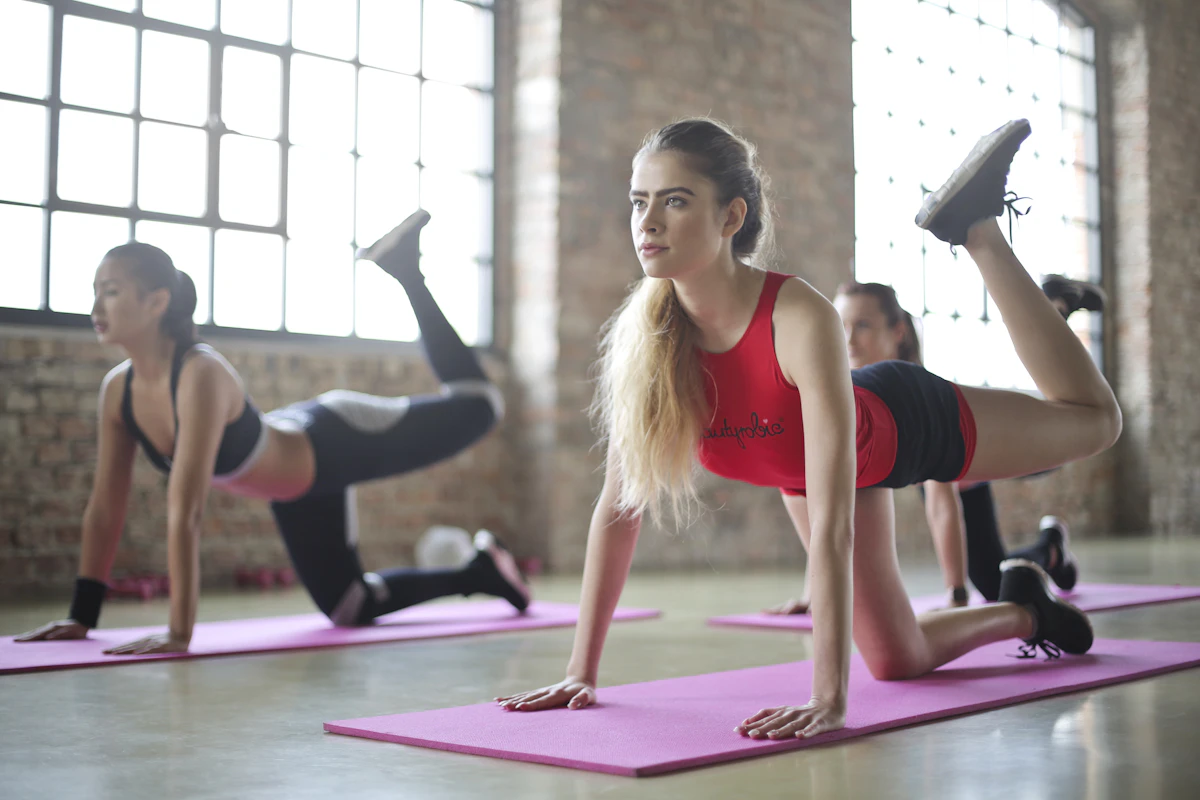
Track simple behaviours such as days active, minutes walked or sessions completed. You do not need to measure every heartbeat or calorie to see progress. A paper calendar or basic notes can reveal patterns and help you adjust the plan. Compare yourself with your own starting point, not with edited social media routines. If tracking makes you anxious or encourages unsafe overtraining, simplify it or stop. The purpose of tracking is to make decisions easier, not to turn movement into a source of guilt. For how to build a sustainable daily exercise routine for beginners, the useful question is not whether a routine looks impressive but whether it supports everyday life. Start with your current circumstances, identify one change that is within reach, and make it specific enough to repeat. If a plan depends on perfect weather, unlimited time or expensive supplies, create a simpler alternative now. Use a short trial period to see what works. Write down what made the action easier, what got in the way and what should change next time. The aim is learning rather than judging yourself. Small adjustments often make a plan more realistic than abandoning it after a difficult day. Individual needs differ. Age, disability, medication, culture, finances, work schedules and existing health conditions can change which advice is suitable. Treat general guidance as a starting point, not a personal diagnosis or a substitute for professional advice when symptoms or medical questions are involved. Make the environment help you: prepare the necessary items in advance, place reminders where they are useful, and reduce unnecessary steps. If other people share the routine, explain the purpose and agree on responsibilities rather than assuming everyone has the same priorities. Review progress by looking for patterns over several weeks. One disrupted day says little about a habit; repeated barriers are useful information. Adjust the timing, scale or method, and ask for support when a problem is bigger than a personal routine can reasonably solve.
Make this step practical by deciding when it will happen, what you need beforehand and what the smaller version looks like on a busy day. Keep the first attempt easy enough to repeat. If it does not fit after a fair trial, change the method rather than treating the difficulty as a personal failure.
Adapt exercise to your schedule

Before planning workouts, observe a normal week. Note how much you walk, how long you sit, what activities you enjoy and when energy tends to be highest. A routine should fit the life you actually have, not an imagined schedule with unlimited free time. Beginners often make plans that are too ambitious, then interpret a busy week as failure. Begin with an achievable amount and increase gradually when it feels manageable. If you have a chronic condition, persistent pain, recent surgery or concerns about exercise safety, seek advice from a qualified health professional before making major changes. For how to build a sustainable daily exercise routine for beginners, the useful question is not whether a routine looks impressive but whether it supports everyday life. Start with your current circumstances, identify one change that is within reach, and make it specific enough to repeat. If a plan depends on perfect weather, unlimited time or expensive supplies, create a simpler alternative now. Use a short trial period to see what works. Write down what made the action easier, what got in the way and what should change next time. The aim is learning rather than judging yourself. Small adjustments often make a plan more realistic than abandoning it after a difficult day. Individual needs differ. Age, disability, medication, culture, finances, work schedules and existing health conditions can change which advice is suitable. Treat general guidance as a starting point, not a personal diagnosis or a substitute for professional advice when symptoms or medical questions are involved. Make the environment help you: prepare the necessary items in advance, place reminders where they are useful, and reduce unnecessary steps. If other people share the routine, explain the purpose and agree on responsibilities rather than assuming everyone has the same priorities. Review progress by looking for patterns over several weeks. One disrupted day says little about a habit; repeated barriers are useful information. Adjust the timing, scale or method, and ask for support when a problem is bigger than a personal routine can reasonably solve.
Make this step practical by deciding when it will happen, what you need beforehand and what the smaller version looks like on a busy day. Keep the first attempt easy enough to repeat. If it does not fit after a fair trial, change the method rather than treating the difficulty as a personal failure.
Plan for weather and travel

The best activity is one you can do consistently and safely. Walking, cycling, dancing, swimming, beginner strength exercises and active household tasks can all contribute to movement. You do not need expensive equipment or a complicated programme to begin. Try two or three options and notice which feels pleasant, accessible and practical. Consider weather, transport, cost, privacy and whether you prefer company. Enjoyment matters because an activity that feels punishing is harder to maintain. Change the activity when boredom appears instead of abandoning movement altogether. For how to build a sustainable daily exercise routine for beginners, the useful question is not whether a routine looks impressive but whether it supports everyday life. Start with your current circumstances, identify one change that is within reach, and make it specific enough to repeat. If a plan depends on perfect weather, unlimited time or expensive supplies, create a simpler alternative now. Use a short trial period to see what works. Write down what made the action easier, what got in the way and what should change next time. The aim is learning rather than judging yourself. Small adjustments often make a plan more realistic than abandoning it after a difficult day. Individual needs differ. Age, disability, medication, culture, finances, work schedules and existing health conditions can change which advice is suitable. Treat general guidance as a starting point, not a personal diagnosis or a substitute for professional advice when symptoms or medical questions are involved. Make the environment help you: prepare the necessary items in advance, place reminders where they are useful, and reduce unnecessary steps. If other people share the routine, explain the purpose and agree on responsibilities rather than assuming everyone has the same priorities. Review progress by looking for patterns over several weeks. One disrupted day says little about a habit; repeated barriers are useful information. Adjust the timing, scale or method, and ask for support when a problem is bigger than a personal routine can reasonably solve.
Make this step practical by deciding when it will happen, what you need beforehand and what the smaller version looks like on a busy day. Keep the first attempt easy enough to repeat. If it does not fit after a fair trial, change the method rather than treating the difficulty as a personal failure.
Choose clothes and equipment sensibly

Avoid turning a first workout into a test of willpower. Start at a comfortable pace where conversation remains possible, then add a few minutes or a small amount of resistance when recovery is good. Mild muscle tiredness can occur when starting something new, but sharp pain, chest discomfort, faintness or unusual breathlessness are reasons to stop and seek appropriate medical help. Rest days are part of training, not evidence of laziness. A gradual plan allows your muscles, joints and habits to adapt together. For how to build a sustainable daily exercise routine for beginners, the useful question is not whether a routine looks impressive but whether it supports everyday life. Start with your current circumstances, identify one change that is within reach, and make it specific enough to repeat. If a plan depends on perfect weather, unlimited time or expensive supplies, create a simpler alternative now. Use a short trial period to see what works. Write down what made the action easier, what got in the way and what should change next time. The aim is learning rather than judging yourself. Small adjustments often make a plan more realistic than abandoning it after a difficult day. Individual needs differ. Age, disability, medication, culture, finances, work schedules and existing health conditions can change which advice is suitable. Treat general guidance as a starting point, not a personal diagnosis or a substitute for professional advice when symptoms or medical questions are involved. Make the environment help you: prepare the necessary items in advance, place reminders where they are useful, and reduce unnecessary steps. If other people share the routine, explain the purpose and agree on responsibilities rather than assuming everyone has the same priorities. Review progress by looking for patterns over several weeks. One disrupted day says little about a habit; repeated barriers are useful information. Adjust the timing, scale or method, and ask for support when a problem is bigger than a personal routine can reasonably solve.
Make this step practical by deciding when it will happen, what you need beforehand and what the smaller version looks like on a busy day. Keep the first attempt easy enough to repeat. If it does not fit after a fair trial, change the method rather than treating the difficulty as a personal failure.
Recover after activity

A balanced routine can include aerobic movement, muscle-strengthening activity and movements that maintain mobility and balance. Bodyweight sit-to-stands, wall push-ups, resistance bands and light weights may be useful starting options when appropriate. Learn technique before increasing load, and leave recovery time between challenging sessions for the same muscle groups. Mobility work should feel controlled rather than forced. People with balance concerns or a history of falls should choose supported movements and ask a qualified professional for individual guidance. For how to build a sustainable daily exercise routine for beginners, the useful question is not whether a routine looks impressive but whether it supports everyday life. Start with your current circumstances, identify one change that is within reach, and make it specific enough to repeat. If a plan depends on perfect weather, unlimited time or expensive supplies, create a simpler alternative now. Use a short trial period to see what works. Write down what made the action easier, what got in the way and what should change next time. The aim is learning rather than judging yourself. Small adjustments often make a plan more realistic than abandoning it after a difficult day. Individual needs differ. Age, disability, medication, culture, finances, work schedules and existing health conditions can change which advice is suitable. Treat general guidance as a starting point, not a personal diagnosis or a substitute for professional advice when symptoms or medical questions are involved. Make the environment help you: prepare the necessary items in advance, place reminders where they are useful, and reduce unnecessary steps. If other people share the routine, explain the purpose and agree on responsibilities rather than assuming everyone has the same priorities. Review progress by looking for patterns over several weeks. One disrupted day says little about a habit; repeated barriers are useful information. Adjust the timing, scale or method, and ask for support when a problem is bigger than a personal routine can reasonably solve.
Make this step practical by deciding when it will happen, what you need beforehand and what the smaller version looks like on a busy day. Keep the first attempt easy enough to repeat. If it does not fit after a fair trial, change the method rather than treating the difficulty as a personal failure.
Handle missed days without guilt
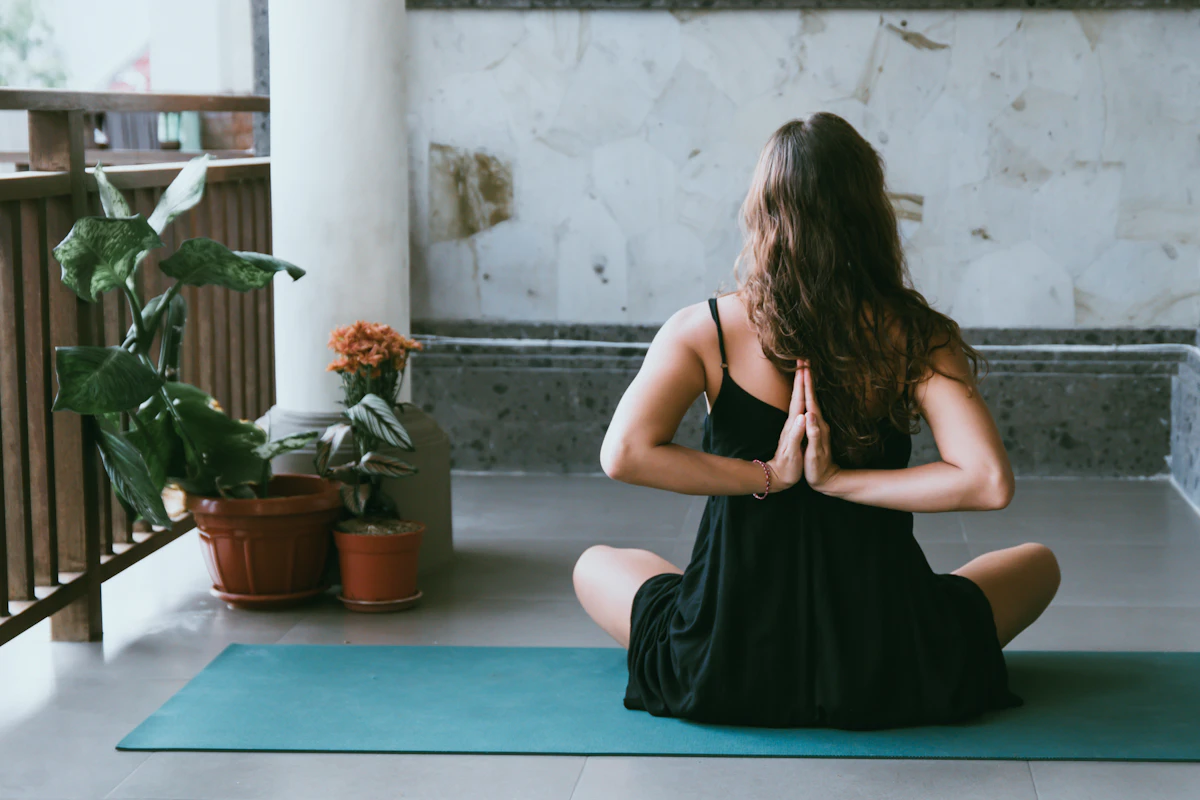
Track simple behaviours such as days active, minutes walked or sessions completed. You do not need to measure every heartbeat or calorie to see progress. A paper calendar or basic notes can reveal patterns and help you adjust the plan. Compare yourself with your own starting point, not with edited social media routines. If tracking makes you anxious or encourages unsafe overtraining, simplify it or stop. The purpose of tracking is to make decisions easier, not to turn movement into a source of guilt. For how to build a sustainable daily exercise routine for beginners, the useful question is not whether a routine looks impressive but whether it supports everyday life. Start with your current circumstances, identify one change that is within reach, and make it specific enough to repeat. If a plan depends on perfect weather, unlimited time or expensive supplies, create a simpler alternative now. Use a short trial period to see what works. Write down what made the action easier, what got in the way and what should change next time. The aim is learning rather than judging yourself. Small adjustments often make a plan more realistic than abandoning it after a difficult day. Individual needs differ. Age, disability, medication, culture, finances, work schedules and existing health conditions can change which advice is suitable. Treat general guidance as a starting point, not a personal diagnosis or a substitute for professional advice when symptoms or medical questions are involved. Make the environment help you: prepare the necessary items in advance, place reminders where they are useful, and reduce unnecessary steps. If other people share the routine, explain the purpose and agree on responsibilities rather than assuming everyone has the same priorities. Review progress by looking for patterns over several weeks. One disrupted day says little about a habit; repeated barriers are useful information. Adjust the timing, scale or method, and ask for support when a problem is bigger than a personal routine can reasonably solve.
Make this step practical by deciding when it will happen, what you need beforehand and what the smaller version looks like on a busy day. Keep the first attempt easy enough to repeat. If it does not fit after a fair trial, change the method rather than treating the difficulty as a personal failure.
Stay motivated through plateaus

Before planning workouts, observe a normal week. Note how much you walk, how long you sit, what activities you enjoy and when energy tends to be highest. A routine should fit the life you actually have, not an imagined schedule with unlimited free time. Beginners often make plans that are too ambitious, then interpret a busy week as failure. Begin with an achievable amount and increase gradually when it feels manageable. If you have a chronic condition, persistent pain, recent surgery or concerns about exercise safety, seek advice from a qualified health professional before making major changes. For how to build a sustainable daily exercise routine for beginners, the useful question is not whether a routine looks impressive but whether it supports everyday life. Start with your current circumstances, identify one change that is within reach, and make it specific enough to repeat. If a plan depends on perfect weather, unlimited time or expensive supplies, create a simpler alternative now. Use a short trial period to see what works. Write down what made the action easier, what got in the way and what should change next time. The aim is learning rather than judging yourself. Small adjustments often make a plan more realistic than abandoning it after a difficult day. Individual needs differ. Age, disability, medication, culture, finances, work schedules and existing health conditions can change which advice is suitable. Treat general guidance as a starting point, not a personal diagnosis or a substitute for professional advice when symptoms or medical questions are involved. Make the environment help you: prepare the necessary items in advance, place reminders where they are useful, and reduce unnecessary steps. If other people share the routine, explain the purpose and agree on responsibilities rather than assuming everyone has the same priorities. Review progress by looking for patterns over several weeks. One disrupted day says little about a habit; repeated barriers are useful information. Adjust the timing, scale or method, and ask for support when a problem is bigger than a personal routine can reasonably solve.
Make this step practical by deciding when it will happen, what you need beforehand and what the smaller version looks like on a busy day. Keep the first attempt easy enough to repeat. If it does not fit after a fair trial, change the method rather than treating the difficulty as a personal failure.
Exercise safely with other people
The best activity is one you can do consistently and safely. Walking, cycling, dancing, swimming, beginner strength exercises and active household tasks can all contribute to movement. You do not need expensive equipment or a complicated programme to begin. Try two or three options and notice which feels pleasant, accessible and practical. Consider weather, transport, cost, privacy and whether you prefer company. Enjoyment matters because an activity that feels punishing is harder to maintain. Change the activity when boredom appears instead of abandoning movement altogether. For how to build a sustainable daily exercise routine for beginners, the useful question is not whether a routine looks impressive but whether it supports everyday life. Start with your current circumstances, identify one change that is within reach, and make it specific enough to repeat. If a plan depends on perfect weather, unlimited time or expensive supplies, create a simpler alternative now. Use a short trial period to see what works. Write down what made the action easier, what got in the way and what should change next time. The aim is learning rather than judging yourself. Small adjustments often make a plan more realistic than abandoning it after a difficult day. Individual needs differ. Age, disability, medication, culture, finances, work schedules and existing health conditions can change which advice is suitable. Treat general guidance as a starting point, not a personal diagnosis or a substitute for professional advice when symptoms or medical questions are involved. Make the environment help you: prepare the necessary items in advance, place reminders where they are useful, and reduce unnecessary steps. If other people share the routine, explain the purpose and agree on responsibilities rather than assuming everyone has the same priorities. Review progress by looking for patterns over several weeks. One disrupted day says little about a habit; repeated barriers are useful information. Adjust the timing, scale or method, and ask for support when a problem is bigger than a personal routine can reasonably solve.
Make this step practical by deciding when it will happen, what you need beforehand and what the smaller version looks like on a busy day. Keep the first attempt easy enough to repeat. If it does not fit after a fair trial, change the method rather than treating the difficulty as a personal failure.
Measure progress beyond weight
Avoid turning a first workout into a test of willpower. Start at a comfortable pace where conversation remains possible, then add a few minutes or a small amount of resistance when recovery is good. Mild muscle tiredness can occur when starting something new, but sharp pain, chest discomfort, faintness or unusual breathlessness are reasons to stop and seek appropriate medical help. Rest days are part of training, not evidence of laziness. A gradual plan allows your muscles, joints and habits to adapt together. For how to build a sustainable daily exercise routine for beginners, the useful question is not whether a routine looks impressive but whether it supports everyday life. Start with your current circumstances, identify one change that is within reach, and make it specific enough to repeat. If a plan depends on perfect weather, unlimited time or expensive supplies, create a simpler alternative now. Use a short trial period to see what works. Write down what made the action easier, what got in the way and what should change next time. The aim is learning rather than judging yourself. Small adjustments often make a plan more realistic than abandoning it after a difficult day. Individual needs differ. Age, disability, medication, culture, finances, work schedules and existing health conditions can change which advice is suitable. Treat general guidance as a starting point, not a personal diagnosis or a substitute for professional advice when symptoms or medical questions are involved. Make the environment help you: prepare the necessary items in advance, place reminders where they are useful, and reduce unnecessary steps. If other people share the routine, explain the purpose and agree on responsibilities rather than assuming everyone has the same priorities. Review progress by looking for patterns over several weeks. One disrupted day says little about a habit; repeated barriers are useful information. Adjust the timing, scale or method, and ask for support when a problem is bigger than a personal routine can reasonably solve.
Make this step practical by deciding when it will happen, what you need beforehand and what the smaller version looks like on a busy day. Keep the first attempt easy enough to repeat. If it does not fit after a fair trial, change the method rather than treating the difficulty as a personal failure.
When to ask a professional

A balanced routine can include aerobic movement, muscle-strengthening activity and movements that maintain mobility and balance. Bodyweight sit-to-stands, wall push-ups, resistance bands and light weights may be useful starting options when appropriate. Learn technique before increasing load, and leave recovery time between challenging sessions for the same muscle groups. Mobility work should feel controlled rather than forced. People with balance concerns or a history of falls should choose supported movements and ask a qualified professional for individual guidance. For how to build a sustainable daily exercise routine for beginners, the useful question is not whether a routine looks impressive but whether it supports everyday life. Start with your current circumstances, identify one change that is within reach, and make it specific enough to repeat. If a plan depends on perfect weather, unlimited time or expensive supplies, create a simpler alternative now. Use a short trial period to see what works. Write down what made the action easier, what got in the way and what should change next time. The aim is learning rather than judging yourself. Small adjustments often make a plan more realistic than abandoning it after a difficult day. Individual needs differ. Age, disability, medication, culture, finances, work schedules and existing health conditions can change which advice is suitable. Treat general guidance as a starting point, not a personal diagnosis or a substitute for professional advice when symptoms or medical questions are involved. Make the environment help you: prepare the necessary items in advance, place reminders where they are useful, and reduce unnecessary steps. If other people share the routine, explain the purpose and agree on responsibilities rather than assuming everyone has the same priorities. Review progress by looking for patterns over several weeks. One disrupted day says little about a habit; repeated barriers are useful information. Adjust the timing, scale or method, and ask for support when a problem is bigger than a personal routine can reasonably solve.
Make this step practical by deciding when it will happen, what you need beforehand and what the smaller version looks like on a busy day. Keep the first attempt easy enough to repeat. If it does not fit after a fair trial, change the method rather than treating the difficulty as a personal failure.
Frequently asked questions
Track simple behaviours such as days active, minutes walked or sessions completed. You do not need to measure every heartbeat or calorie to see progress. A paper calendar or basic notes can reveal patterns and help you adjust the plan. Compare yourself with your own starting point, not with edited social media routines. If tracking makes you anxious or encourages unsafe overtraining, simplify it or stop. The purpose of tracking is to make decisions easier, not to turn movement into a source of guilt. For how to build a sustainable daily exercise routine for beginners, the useful question is not whether a routine looks impressive but whether it supports everyday life. Start with your current circumstances, identify one change that is within reach, and make it specific enough to repeat. If a plan depends on perfect weather, unlimited time or expensive supplies, create a simpler alternative now. Use a short trial period to see what works. Write down what made the action easier, what got in the way and what should change next time. The aim is learning rather than judging yourself. Small adjustments often make a plan more realistic than abandoning it after a difficult day. Individual needs differ. Age, disability, medication, culture, finances, work schedules and existing health conditions can change which advice is suitable. Treat general guidance as a starting point, not a personal diagnosis or a substitute for professional advice when symptoms or medical questions are involved. Make the environment help you: prepare the necessary items in advance, place reminders where they are useful, and reduce unnecessary steps. If other people share the routine, explain the purpose and agree on responsibilities rather than assuming everyone has the same priorities. Review progress by looking for patterns over several weeks. One disrupted day says little about a habit; repeated barriers are useful information. Adjust the timing, scale or method, and ask for support when a problem is bigger than a personal routine can reasonably solve.
Make this step practical by deciding when it will happen, what you need beforehand and what the smaller version looks like on a busy day. Keep the first attempt easy enough to repeat. If it does not fit after a fair trial, change the method rather than treating the difficulty as a personal failure.
Frequently asked questions
How should a beginner start?
Start at a comfortable level, choose a safe activity and increase gradually. If you have relevant health concerns, ask a qualified clinician for tailored advice.
Do I need a gym or special equipment?

Not necessarily. Many people begin with walking and simple bodyweight movements. Equipment should solve a real need, not create a financial barrier.
What if I miss several days?
Resume with a manageable session and review the barrier. You do not need to make up missed activity with an intense workout.
Make the next step easy

Choose one step from this guide and put it into your calendar or daily routine. Keep expectations realistic, notice what helps and revise the plan as your needs change. The Infinity Company shares practical guides intended to help readers make informed everyday decisions.
Explore The Infinity Company for more practical guides, and browse the Health & Lifestyle section for related reading.
For reliable health information, consult established sources such as the World Health Organization and, where relevant, your national or local health service. Use professional advice for personal medical decisions.