
Help around the home is just a few clicks away


2026 Mercedes-Maybach S-Class Launched in India at ₹3.35 Crore: Hybrid, Features and Price
The facelifted 2026 Mercedes-Maybach S-Class launched in India at ₹3.35 crore ex-showroom on 5 October 2026, according to automotive launch coverage. The India-spec car arrives as the S 580e plug-in hybrid, making it the first Maybach model offered with a plug-in hybrid powertrain in the country. Reports cite an initial allocation of 30 units, executive rear seats and a 22 kWh battery with up to 98 km electric-only range. Confirm current availability and terms with Mercedes-Benz India.
This launch guide from The Infinity Company – Auto News & Updates summarises the announced details and the questions buyers should ask before booking. Specifications and offers can change; verify them with the manufacturer or an authorised retailer.
Launch highlights
- Launch price: ₹3.35 crore ex-showroom
- India version: S 580e plug-in hybrid
- Reported electric range: Up to 98 km with a reported 22 kWh battery
- Luxury highlights: Executive rear seats, business console and multi-screen cabin technology
Read Autocar India’s launch report for the source announcement or launch report.
Price and availability
Launch reporting puts the Maybach S-Class at ₹3.35 crore ex-showroom. The on-road cost varies by location, insurance and applicable charges. Reports cite a limited first allocation of 30 units, so buyers should confirm whether a vehicle is available, the expected delivery date and the exact specification. Ask for a written quotation and carefully review order, cancellation and bespoke-personalisation terms.
Plug-in hybrid explained
The S 580e combines a combustion engine, an electric motor and a rechargeable battery. A plug-in hybrid can be charged externally and may cover some trips using electric power alone when battery charge and conditions allow. Launch coverage cites a 22 kWh battery and up to 98 km electric-only range. This is a reported test-cycle figure, not a guarantee: speed, temperature, traffic, climate control and driving style affect actual range.
Exterior design
The updated Maybach retains its long-wheelbase luxury-sedan proportions, prominent vertically slatted grille, bespoke wheel designs and signature detailing. Dual-tone exterior finishes and personalisation can be important to buyers in this segment. Confirm available India-spec colours and trim combinations, and ask whether a special order affects delivery timing.
Rear cabin experience
The Maybach is designed around rear-passenger comfort. Launch reports describe executive rear seats and a full-length business console, along with heating, ventilation and massage functions. The updated cabin uses multiple displays for driving, infotainment and passenger functions. If you will be chauffeur-driven, test rear-seat recline, foot support, climate controls, privacy features and ease of entering or exiting the vehicle.
Technology and entertainment
A multi-screen cabin and connected functions can make navigation, media and vehicle settings accessible, but the interface should be tested by the people who will use it. Ask the retailer to demonstrate smartphone integration, rear-seat controls and audio settings. Connected features may depend on network coverage, account activation or service terms; confirm which functions are included in India.
Charging and ownership
Ask which charging equipment is supplied, whether home installation is included and what additional electrical work may cost. Review the warranty for the high-voltage battery and hybrid components, service intervals and roadside assistance. If you cannot charge regularly, the benefits of plug-in hybrid driving may differ from those of an owner with reliable overnight charging.
Daily practicality
A large luxury sedan can be less convenient in narrow streets, tight parking structures and steep ramps. Check your garage dimensions, turning space and access to trained service support in your city. If you intend to drive the car yourself, evaluate visibility, steering, braking and the transition between electric and combustion power. Chauffeur-driven buyers may place greater weight on rear-seat comfort and ride quality.
Before placing an order
Confirm the allocation and delivery estimate; request an itemised on-road quote; check warranty and service coverage; clarify charging equipment and installation; verify rear-seat features and personalisation; and read the cancellation and refund terms carefully.
Frequently asked questions
What is the launch price?
₹3.35 crore ex-showroom. Confirm the latest on-road price and charges with an authorised dealer.
Where can I check official specifications?
Use the manufacturer or official launch source linked above and request the current variant brochure before booking.
What should I verify before paying?
Confirm the exact variant, price, included features, warranty, delivery estimate, cancellation terms and any finance or promotional offer in writing.
More automotive launch updates
Explore Auto News & Updates on The Infinity Company for new car launches, upcoming models, prices and feature announcements.
Editorial note: This is an informational launch summary. Details are based on the linked announcement or launch report available in October 2026. Confirm prices, specifications and offers before purchasing. Images are representative illustrations, not official vehicle photographs.
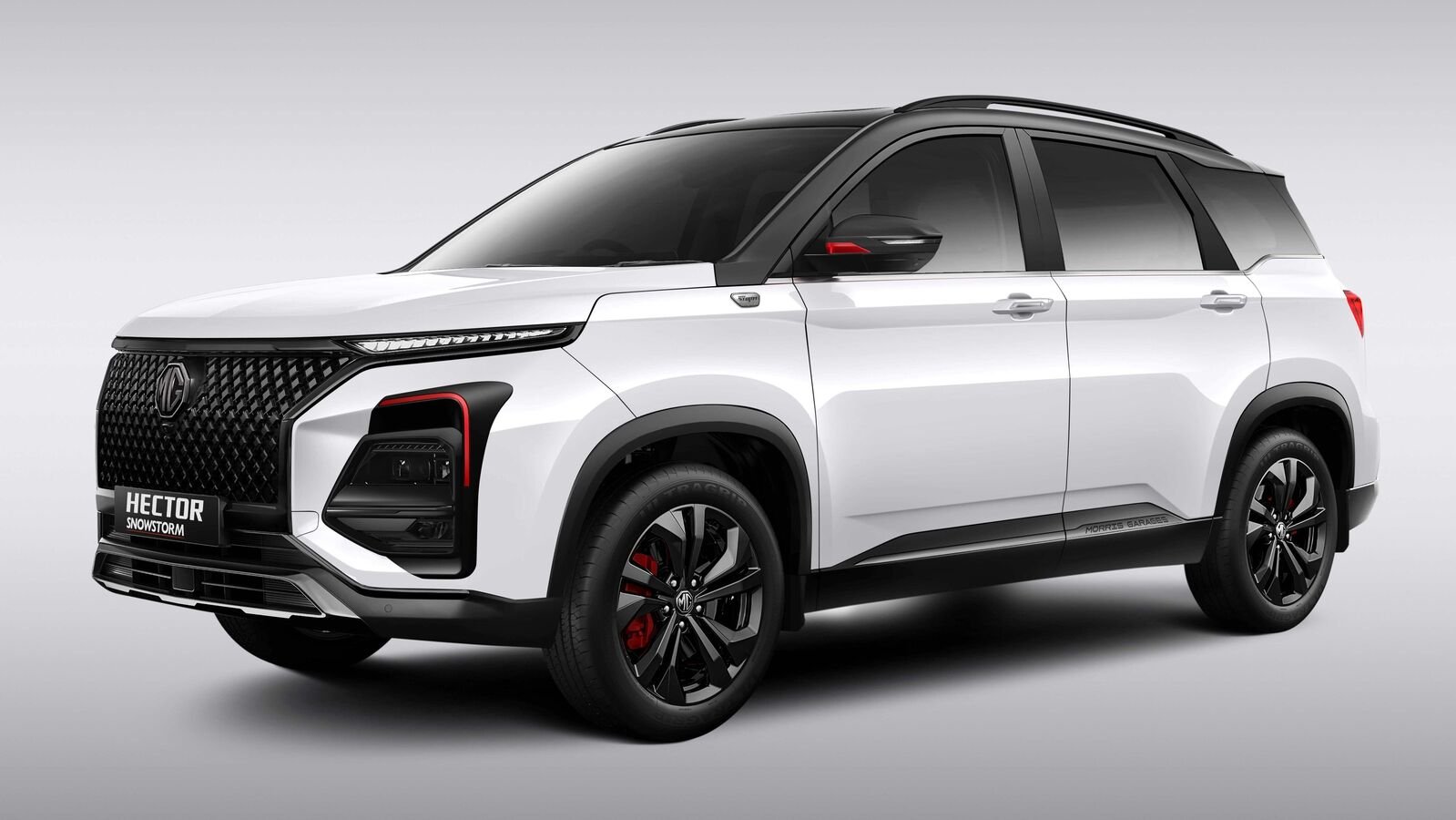
2026 MG Hector Blackstorm and Snowstorm Launched at ₹19.99 Lakh: Features and Price
JSW MG Motor India launched the 2026 Hector Storm Series on 7 October 2026, comprising the Hector Blackstorm and Snowstorm at ₹19,99,800 ex-showroom each. The limited-edition SUVs focus on distinctive styling, a dark cabin and edition-specific accessories while retaining a five-seat layout and a 1.5-litre turbo-petrol engine with CVT automatic transmission. Buyers should verify stock, variant details and the latest ownership offer with an authorised MG retailer.
This launch guide from The Infinity Company – Auto News & Updates summarises the announced details and the questions buyers should ask before booking. Specifications and offers can change; verify them with the manufacturer or an authorised retailer.
Launch highlights
- Price: ₹19,99,800 ex-showroom for each edition
- Editions: Blackstorm (all-black theme) and Snowstorm (Pearl White with Starry Black roof)
- Powertrain: 1.5-litre turbo-petrol, CVT, 143 PS and 250 Nm
- Technology: 14-inch HD portrait infotainment, i-SWIPE gestures and connected features
Read JSW MG Motor India’s official launch announcement for the source announcement or launch report.
Blackstorm versus Snowstorm
Blackstorm uses an all-black exterior theme, while Snowstorm combines Pearl White with a Starry Black roof. Both editions receive a Storm Hex grille, front and rear bumper garnishes, Aura Storm Blade alloy wheels with red brake calipers, dark chrome accents, piano-black roof rails and smoked connected tail lamps. The cabin uses Nimbus Black interiors, dark accents and edition-name embossing on the front headrests. View both colours in person because photographs can make paint and trim appear different.
Price and ownership package
MG announced ₹19,99,800 ex-showroom for each edition. The on-road price depends on registration, insurance, location and optional items. MG describes an SHIELD 3+3+3 package with a three-year unlimited-kilometre warranty, three years of roadside assistance and three labour-free periodic services. Read the terms for exclusions and eligibility. Any finance offer is subject to lender approval; do not treat headline financing as guaranteed.
Engine and driving
The Storm editions retain a 1.5-litre turbocharged petrol engine producing 143 PS and 250 Nm, paired with a CVT automatic. During a test drive, evaluate low-speed response, acceleration, cabin noise and ride comfort in your usual traffic. Ask for current certified fuel-efficiency information and scheduled maintenance details. Real-world fuel use depends on traffic, driving style, route, tyre pressure, load and air-conditioning use.
Infotainment and connected technology
MG lists a 14-inch HD portrait infotainment screen, Smart Boost processing, i-SWIPE touch gestures for functions such as air conditioning, music and navigation, a digital Bluetooth key with key sharing, predictive maintenance alerts, remote AC control and i-SMART connected technology. Test phone pairing, screen response and visibility in sunlight. Some connected functions may require account activation, mobile coverage or subscription terms; ask which features are included.
Comfort and cabin practicality
The announced equipment includes a dual-pane panoramic sunroof, eight-colour ambient lighting, a PM2.5 air purifier, rain-sensing wipers and a powered tailgate. Test rear-seat comfort, boot access, child-seat fit and visibility. If you park in a low garage, check roof clearance. The dark interior is a defining part of the special editions, so judge upholstery and cabin ambience in person.
Safety and driver assistance
MG lists a 360-degree HD camera with Wheel View, ABS, EBD, electronic stability programme, traction control, hill-hold control and brake assist. Launch material also references ADAS and front parking sensors. Confirm exact availability on the edition you are buying. Cameras and driver assistance are support systems, not substitutes for careful driving. Ask the retailer to demonstrate the features and explain their limits.
Who should buy a special edition?
The Storm Series may appeal to buyers who want a more distinctive exterior and a dark cabin without a different core powertrain. Compare it with standard Hector trims to see whether the styling package and included features justify the price. Ask for the full equipment list and avoid paying extra for accessories already included in the edition.
Before booking
Confirm Blackstorm or Snowstorm, get the on-road cost itemised, read the warranty and service terms, check which connected features need activation, clarify finance conditions and have the delivery estimate recorded in writing.
Frequently asked questions
What is the launch price?
₹19,99,800 ex-showroom for each edition. Confirm the latest on-road price and charges with an authorised dealer.
Where can I check official specifications?
Use the manufacturer or official launch source linked above and request the current variant brochure before booking.
What should I verify before paying?
Confirm the exact variant, price, included features, warranty, delivery estimate, cancellation terms and any finance or promotional offer in writing.
More automotive launch updates
Explore Auto News & Updates on The Infinity Company for new car launches, upcoming models, prices and feature announcements.
Editorial note: This is an informational launch summary. Details are based on the linked announcement or launch report available in October 2026. Confirm prices, specifications and offers before purchasing. Images are representative illustrations, not official vehicle photographs.

Mahindra Thar OG Launched at ₹10.32 Lakh: New Features, Engines and Delivery Details
Mahindra launched the Thar OG in India on 22 September 2026 with an introductory starting price of ₹10.32 lakh ex-showroom. The three-door lifestyle SUV is presented as a reimagining of the Thar, with revised styling, updated suspension technology, terrain modes, engine options and additional safety equipment. Mahindra announced deliveries from 11 October 2026 onwards. Confirm the current variant and dealer price before booking.
This launch guide from The Infinity Company – Auto News & Updates summarises the announced details and the questions buyers should ask before booking. Specifications and offers can change; verify them with the manufacturer or an authorised retailer.
Launch highlights
- Introductory price: ₹10.32 lakh ex-showroom
- Platform: M_Glyde 4G
- Engineering highlights: PENTALINK suspension, DAVINCI damping technology, terrain modes and electronic locking differential
- Safety highlights: Six airbags, front parking sensors and all-disc brakes, as stated in the launch release
Read Mahindra’s official launch release for the source announcement or launch report.
Price and variants
The introductory ex-showroom price starts at ₹10.32 lakh. The final amount depends on the selected engine, transmission, drivetrain, trim and local charges. Ask the dealer for a complete price sheet and written on-road quote. Confirm whether the variant includes four-wheel drive and the off-road equipment you expect. Optional accessories, insurance and extended warranty can materially change the final cost, so have them itemised.
Exterior design
The Thar OG retains the recognisable upright lifestyle-SUV look while adding a bold grille, signature LED lighting and R19 alloy wheels on the announced equipment list. Styling remains a key part of the appeal. Inspect the vehicle in person and check outward visibility, door access, turning space and how easily it fits your parking bay. A rugged design does not automatically make a vehicle convenient in narrow streets or tight basement parking.
Ride and suspension
Mahindra highlights the M_Glyde 4G platform, PENTALINK suspension and DAVINCI damping technology as changes intended to improve ride comfort and capability. The real-world experience depends on road surface, tyre setup, passenger load and speed. During a test drive, evaluate ride comfort over broken roads, cabin movement, braking feel and manoeuvrability. If you plan occasional trail driving, ask about ground clearance and the limits of the selected variant.
Engines and off-road hardware
The launch release references mHawk and mStallion engine options, an electronic locking differential and terrain modes. Confirm the exact engine, gearbox and drivetrain combination for the grade you are buying. Off-road systems can help when used properly, but they do not make every route safe. Learn the owner’s manual, use suitable tyres and avoid difficult terrain without training and appropriate recovery preparation.
Cabin and practicality
Mahindra lists Truffle Brown leatherette upholstery among the styling details. Three-door SUVs can require more effort for rear passengers to get in and out than five-door family vehicles. Bring regular passengers to the test drive and check seat comfort, child-seat installation, luggage capacity and storage. Think honestly about whether you will use the vehicle mostly in town, on highways or on trails.
Safety equipment
Mahindra’s release lists six airbags, front parking sensors and all-disc brakes. Check the complete safety specification by variant, including stability control, child-seat anchors and other braking or assistance features in the official brochure. Sensors help when parking but do not replace looking for pedestrians, checking mirrors and moving carefully. If using the vehicle off-road, follow the manufacturer’s instructions for drivetrain operation and recovery equipment.
Who should consider it?
The Thar OG may suit buyers who value rugged styling, lifestyle appeal and the option of off-road hardware. It may be less suitable for people who prioritise easy rear-seat access, maximum luggage flexibility, compact parking or a conventional family-car feel. Compare it with a five-door SUV or crossover if everyday family practicality is your main requirement.
Booking checklist
Confirm the engine, gearbox, drivetrain and variant; get the on-road cost itemised; ask about warranty, service and roadside assistance; test rear-seat access and parking; and get delivery and cancellation terms in writing. Never assume that all launch features are included on the entry variant.
Frequently asked questions
What is the launch price?
₹10.32 lakh ex-showroom. Confirm the latest on-road price and charges with an authorised dealer.
Where can I check official specifications?
Use the manufacturer or official launch source linked above and request the current variant brochure before booking.
What should I verify before paying?
Confirm the exact variant, price, included features, warranty, delivery estimate, cancellation terms and any finance or promotional offer in writing.
More automotive launch updates
Explore Auto News & Updates on The Infinity Company for new car launches, upcoming models, prices and feature announcements.
Editorial note: This is an informational launch summary. Details are based on the linked announcement or launch report available in October 2026. Confirm prices, specifications and offers before purchasing. Images are representative illustrations, not official vehicle photographs.
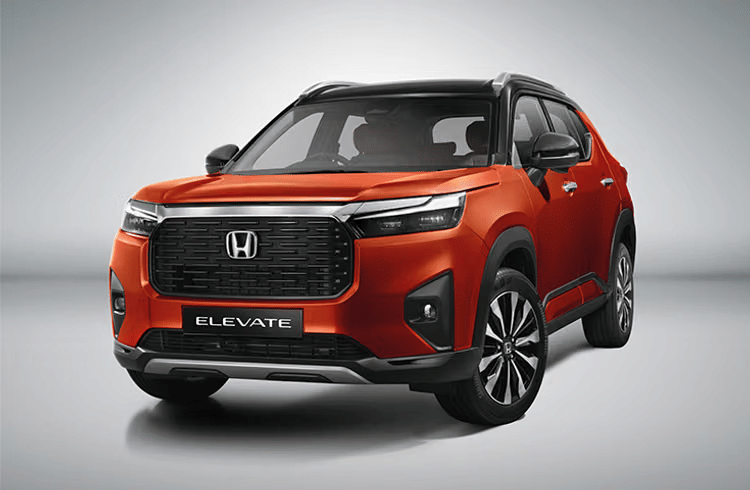
2026 Honda Elevate Updated in India: New Design, Features, ADAS and Engine Details
Honda Cars India unveiled its updated Elevate on 6 October 2026, announcing a bolder grille, revised LED lighting, a connected rear lamp signature, a refreshed cabin and additional convenience and safety equipment. Highlights include active ventilation for front and rear seats, a 360-degree surround-view camera and Honda SENSING with the added Low-Speed Follow function. Honda says India is the first market to launch this updated Elevate. Retail pricing and availability should be confirmed with a dealer.
This launch guide from The Infinity Company – Auto News & Updates summarises the announced details and the questions buyers should ask before booking. Specifications and offers can change; verify them with the manufacturer or an authorised retailer.
Launch highlights
- Unveiled: 6 October 2026
- Engine: 1.5-litre i-VTEC petrol
- Transmission: Six-speed manual or seven-speed CVT with paddle shifters
- Highlights: Ventilated front and rear seats, 360-degree camera, powered front seats and Honda SENSING
Read Honda Cars India’s official announcement for the source announcement or launch report.
Exterior design
The updated Elevate features a Bold Mesh Grille, tri-bar signature LED position lights, a full-width connected rear LED signature, gloss-black styling and newly finished 17-inch diamond-cut alloy wheels. A new Nordic Forest Pearl colour is also announced, with single-tone and dual-tone options depending on configuration. View paint choices in person because colour availability may vary by trim and dealer stock. Check visibility, door access and parking dimensions during a test drive.
Cabin comfort
Honda lists a dual-tone ivory-and-black cabin, soft-touch finishes, premium leather upholstery, active ventilation for front and rear seats, wrap-around ambient lighting and USB-C charging ports at the front and rear. Seat ventilation may be useful in hot weather, but buyers should try the seat support, controls and rear-seat space. Families should inspect child-seat fit and boot capacity with their usual luggage.
Convenience features
The announced feature list includes a 360-degree surround-view camera, power-adjustable front seats, a PM2.5 air-quality indicator, an electric parking brake with auto brake hold and front and rear parking sensors. Ask the dealer to demonstrate the camera views, parking alerts and seat adjustments. Cameras are a useful aid, not a substitute for checking mirrors, blind spots and pedestrians.
Honda SENSING and driver assistance
Honda says Honda SENSING intelligent driver-assistance technology gains Low-Speed Follow. Assistance systems work only under certain conditions and do not make a vehicle autonomous. Ask which functions are fitted to the exact grade, how alerts work and what limitations apply on poorly marked roads or in difficult weather. Learn the owner’s manual guidance and stay attentive while driving.
Engine and gearbox
The manufacturer announced the familiar 1.5-litre i-VTEC petrol engine with a six-speed manual or seven-speed CVT with paddle shifters. The manual may suit drivers who prefer direct gear selection; the CVT prioritises convenience in stop-start traffic. Test the powertrain in conditions similar to your commute. Confirm current certified fuel-economy figures and maintenance schedules rather than assuming figures from an earlier model year remain identical.
Comparing midsize SUVs
Compare the Elevate with other midsize SUVs based on final price, rear-seat comfort, visibility, boot space, safety features, fuel use and service support. A longer feature list is valuable only if the equipment is included on the grade within budget. Take the family along for the test drive and assess access, seating comfort and ease of fitting child seats.
Before booking
Confirm the retail launch and delivery date; ask for an itemised on-road quotation; verify trim-wise equipment; test ventilation, cameras and phone connectivity; and read warranty, cancellation and delivery terms before paying. If a feature is important to you, ask the dealer to demonstrate it on the actual vehicle.
Frequently asked questions
What is the launch price?
6 October 2026. Confirm the latest on-road price and charges with an authorised dealer.
Where can I check official specifications?
Use the manufacturer or official launch source linked above and request the current variant brochure before booking.
What should I verify before paying?
Confirm the exact variant, price, included features, warranty, delivery estimate, cancellation terms and any finance or promotional offer in writing.
More automotive launch updates
Explore Auto News & Updates on The Infinity Company for new car launches, upcoming models, prices and feature announcements.
Editorial note: This is an informational launch summary. Details are based on the linked announcement or launch report available in October 2026. Confirm prices, specifications and offers before purchasing. Images are representative illustrations, not official vehicle photographs.

2026 Skoda Slavia Facelift Launched in India: Price, Features, Engines and Variants
Škoda Auto India announced prices for the updated Slavia on 6 October 2026, starting at ₹9.99 lakh ex-showroom. The premium sedan receives revised lighting and alloy-wheel designs, refreshed interior themes, a rear-seat massage function and updated infotainment. Six trims are offered, with the 1.0 TSI available with a manual or new eight-speed torque-converter automatic and the 1.5 TSI paired with a seven-speed DSG.
This launch guide from The Infinity Company – Auto News & Updates summarises the announced details and the questions buyers should ask before booking. Specifications and offers can change; verify them with the manufacturer or an authorised retailer.
Launch highlights
- Starting price: ₹9.99 lakh ex-showroom
- Trims: Classic, Classic+, Signature, Sportline, Prestige and Monte Carlo
- Powertrains: 1.0 TSI manual or 8-speed torque-converter automatic; 1.5 TSI with 7-speed DSG
- Highlights: LED headlamps and taillamps, rear-seat massage, 360-degree camera and updated infotainment
Read Škoda Auto India’s official launch announcement for the source announcement or launch report.
Price and variants
The announced range starts at ₹9.99 lakh ex-showroom and spans six trims: Classic, Classic+, Signature, Sportline, Prestige and Monte Carlo. The entry price is a starting point rather than a complete on-road cost. Registration, local taxes, insurance and accessories may affect the amount payable. Request an itemised quote for the exact trim and transmission, and compare insurance cover as well as premium. Ask which comfort and technology features are standard on each grade; do not assume that a feature highlighted in launch publicity is included across the entire range.
Exterior updates
The refresh brings new LED headlamps and taillamps, sequential rear turn indicators, new alloy-wheel designs and refreshed interior themes. The overall silhouette remains recognisably Slavia, so the update is evolutionary rather than a completely new generation. Inspect the car in daylight, compare available colours and check visibility and parking practicality. If your garage or parking bay is tight, assess the vehicle’s dimensions and turning space before booking.
Engines and gearboxes
Škoda continues with its TSI turbo-petrol engines. The 1.0 TSI is offered with a six-speed manual or an eight-speed torque-converter automatic, while the 1.5 TSI pairs with a seven-speed DSG. These transmissions have different driving characteristics. Test the car in your usual traffic, paying attention to low-speed response, smoothness and ease of parking. Confirm the exact engine-gearbox combination on the quotation and ask about maintenance requirements.
Cabin comfort and infotainment
A notable addition is the rear-seat massage function. The manufacturer also lists next-generation infotainment with an AI assistant powered by Google Cloud, inbuilt connectivity and wireless Android Auto and Apple CarPlay. Try the screen, phone pairing and controls yourself. Rear passengers should test legroom, headroom, seat support and access. Check whether the massage function and other desired equipment are included in the variant you can afford.
Safety and parking technology
The new Slavia offers a 360-degree Area View camera and Park Pilot with front and rear parking sensors. Škoda says six airbags and more than 25 active and passive safety features are standard across the range and references five-star Global NCAP safety credentials. Review the manufacturer’s documentation for the applicable model and test scope. Cameras and sensors help but cannot replace mirror checks, careful manoeuvring and attention to pedestrians.
How to compare rivals
Compare the Slavia with other sedans and crossovers at a similar final price. Focus on rear-seat comfort, boot space, fuel costs, transmission preference, warranty, service access and safety equipment. A low introductory price is not directly comparable with a better-equipped trim from a rival. Use a checklist and request written quotes for similar equipment levels.
Buyer checklist
Before paying, confirm the trim, engine and transmission; get the on-road cost itemised; ask about warranty and roadside assistance; test the rear seats and infotainment; and have delivery estimates and cancellation terms recorded in writing. If financing, compare the total amount payable over the loan term, not just the monthly instalment.
Frequently asked questions
What is the launch price?
₹9.99 lakh ex-showroom. Confirm the latest on-road price and charges with an authorised dealer.
Where can I check official specifications?
Use the manufacturer or official launch source linked above and request the current variant brochure before booking.
What should I verify before paying?
Confirm the exact variant, price, included features, warranty, delivery estimate, cancellation terms and any finance or promotional offer in writing.
More automotive launch updates
Explore Auto News & Updates on The Infinity Company for new car launches, upcoming models, prices and feature announcements.
Editorial note: This is an informational launch summary. Details are based on the linked announcement or launch report available in October 2026. Confirm prices, specifications and offers before purchasing. Images are representative illustrations, not official vehicle photographs.
2026 Volvo EX90 Launched in India at ₹1.26 Crore: Range, Battery, Features and Delivery
Volvo has launched the EX90 electric SUV in India at an introductory ex-showroom price of ₹1.26 crore. Announced on 12 October 2026, the EX90 becomes Volvo Cars India’s flagship all-electric SUV. It is offered in a six-seat configuration with a 106 kWh battery, dual-motor all-wheel drive and a manufacturer-claimed WLTP range of 625 km. The model targets buyers seeking a premium electric family SUV with advanced driver assistance and high-speed charging capability.
This launch guide from The Infinity Company – Auto News & Updates summarises the announced price, powertrain, charging, cabin, safety equipment, ownership offer and practical considerations for Indian buyers. Prices and availability can change; verify the latest terms with Volvo Cars India or an authorised retailer before booking.
Volvo EX90 India launch: Quick highlights
- Launch date: 12 October 2026
- Introductory price: ₹1.26 crore ex-showroom
- Variant: EX90 Ultra, six-seat configuration
- Battery: 106 kWh
- Powertrain: Dual-motor electric AWD
- Claimed output: 456 hp and 670 Nm
- Claimed 0–100 km/h: 5.5 seconds
- Claimed range: 625 km WLTP
- DC fast charging: Up to 350 kW supported by the vehicle’s charging architecture
- Expected deliveries: Reported to begin in January 2027; confirm timing with the retailer
For a manufacturer overview, visit the official Volvo EX90 model page. Launch coverage is also available from India Today and Autocar India.
Volvo EX90 price in India and introductory offer

The Volvo EX90 has been introduced at ₹1.26 crore ex-showroom in India. It is offered in a single, fully equipped Ultra trim, simplifying the variant choice but leaving buyers to focus on the final on-road price, colour availability and ownership package.
Reported introductory benefits for eligible bookings made by 31 December 2026 include an 11 kW home charger, a three-year service package and an assured buyback arrangement of 65% of the vehicle value after three years. These terms are subject to the official offer conditions, eligibility, contract wording and participating retailer. Ask for the complete written terms before treating any benefit as guaranteed.
The final on-road cost may include registration, insurance, local taxes, handling or logistics charges where applicable, and optional accessories. Request an itemised quotation from an authorised Volvo retailer. Compare the same insurance coverage and add-ons when evaluating offers.
Battery, motors and performance

The India-spec EX90 uses a 106 kWh battery pack paired with two electric motors and all-wheel drive. The combined output is reported at 456 hp and 670 Nm of torque. Volvo’s claimed 0–100 km/h acceleration time is 5.5 seconds, while the top speed is electronically limited to 180 km/h.
These figures place the EX90 in the performance-focused end of the large electric SUV category. All-wheel drive can help manage traction in different conditions, but it does not remove the need for appropriate tyres, sensible speed and safe driving. Performance and range can vary with temperature, passenger and luggage load, speed, terrain, tyre choice and climate-control use.
For buyers comparing electric SUVs, pay attention not only to peak power but also to ride comfort, braking feel, steering visibility, rear-seat comfort and the practical dimensions of the vehicle. A test drive with the family and a typical luggage load can reveal more than a specification sheet.
Claimed range and what it means in everyday use
Launch reports cite a claimed WLTP range of 625 km for the India-spec EX90. WLTP is a standardised test cycle, not a promise that every owner will cover that distance in everyday driving. Highway speed, heavy traffic, hills, cold or hot weather, cabin heating or cooling and repeated rapid acceleration can all affect energy consumption.
If your regular use includes long inter-city journeys, map reliable fast chargers along the route and identify a backup charging stop. For home charging, check whether your parking space has a suitable electrical supply, whether the installation is permitted by your housing society or property owner, and what the installation and electricity costs will be.
Before purchase, ask Volvo to explain the battery warranty, expected battery-health checks, roadside assistance for a depleted battery and the process for arranging repairs. Confirm which charging cables and accessories are included in the India delivery package.
Charging: 800-volt architecture and fast charging
The EX90 uses an 800-volt electrical architecture and is reported to support DC fast charging at up to 350 kW when connected to a compatible charger. Maximum charger output is not the same as the power a vehicle receives throughout a session: charging speed depends on battery state of charge, temperature, charger capability and other conditions. The charging curve typically slows as the battery approaches a high state of charge.
For home use, the introductory ownership package has been reported to include an 11 kW home charger for eligible buyers. Confirm installation scope, wiring work, approvals, warranty and any additional costs. An AC home charger is convenient for overnight charging, while DC fast charging is generally most useful during longer journeys.
Ask the retailer to demonstrate the vehicle’s charging interface, charging schedule controls and route-planning features. Check which public charging networks operate on the routes you use most and whether the vehicle’s navigation can help locate compatible chargers.
Six-seat cabin and interior technology

For India, launch reports describe the EX90 as a six-seater with individual second-row captain’s chairs. This arrangement can give passengers more personal space and easier movement through the cabin than a conventional three-person middle bench, but it means buyers should check whether the seat count suits their family and regular passengers.
The cabin equipment reported for the model includes Nappa leather upholstery, a 14.5-inch central touchscreen, a 9-inch driver display, a Bowers & Wilkins audio system and four-zone climate control. The minimalist dashboard relies heavily on the touchscreen for vehicle functions. During a test drive, check whether commonly used settings are easy to reach and whether the interface is comfortable for every regular driver.
Bring child seats or check their dimensions if required, test access to the third row, and inspect luggage space with all seats in use. Also try the rear-seat controls, phone connectivity and climate settings. Confirm the exact upholstery, trim and feature specification on the delivered India variant.
Safety and driver-assistance features

The EX90 is designed around an extensive sensor and driver-assistance package. India launch reports highlight advanced driver assistance, collision-avoidance technology, occupant sensing and a broad suite of safety equipment. The vehicle’s exact India specification should be checked against the official brochure and owner documentation rather than inferred from equipment available in other countries.
Driver assistance can support the driver, but it is not autonomous driving. Keep attention on the road, remain ready to steer or brake, and follow local traffic laws. The operation of cameras, radar and lane assistance can be affected by road markings, weather, dirt, glare and surrounding traffic. Learn the system limitations before relying on any assistance function.
Ask the retailer to demonstrate the safety settings and explain how warnings, driver monitoring and emergency features behave. Check the warranty and software-update process, including whether some features require connectivity or future software updates.
Design, dimensions and day-to-day practicality
The EX90 follows Volvo’s restrained Scandinavian design language, with a clean exterior, distinctive LED lighting and large alloy wheels. The upright body and long wheelbase are intended to provide a spacious cabin, but the vehicle’s overall size matters in Indian city streets, narrow parking ramps and older multi-storey car parks.
Before purchase, measure your home parking space and check ramp clearance, turning room and charging-cable access. A 360-degree camera and parking assistance can be useful, but they do not replace checking mirrors and surroundings. Try the vehicle on the kinds of roads you regularly use, and assess visibility, ride comfort and ease of manoeuvring.
Volvo EX90 versus other luxury electric SUVs
The EX90 enters a segment that includes models such as the Kia EV9 and Mercedes-Benz EQS SUV. Published prices and equipment can change, so use current manufacturer quotations when comparing them. The most useful comparison is not simply the starting price; consider seating layout, range certification, charging access, cabin comfort, service coverage and warranty.
| Comparison point | What to check |
|---|---|
| Purchase price | Current ex-showroom price, on-road cost and validity of introductory offers. |
| Seats and luggage | Whether six seats suit your family and how much luggage fits with every seat occupied. |
| Range and charging | Certified range, home-charging feasibility and compatible fast chargers on your routes. |
| Safety technology | India-specific equipment, system limitations, warranty and software support. |
| Ownership support | Service locations, roadside assistance, repair lead times and battery warranty. |
Use a consistent comparison method: request written quotations for the same purchase date, check what is included, and calculate likely energy and maintenance costs based on your actual driving. Avoid treating another model’s claimed range under a different test cycle as directly equivalent.
Who should consider the Volvo EX90?
The EX90 may suit buyers looking for a large, premium electric SUV with six seats, strong performance and a technology-focused cabin. It may be particularly relevant to households with a dependable home-charging arrangement and predictable daily routes, or to buyers who can plan longer journeys around suitable public chargers.
It may be less practical for drivers without secure charging access, people who frequently use tight parking facilities, or families who need a different seating configuration. The high purchase price also makes it important to evaluate insurance, tyres, charging installation, service costs and depreciation rather than focusing on the headline price alone.
Buyer checklist before booking
- Get an itemised on-road quotation and confirm how long the introductory price is valid.
- Read the terms of the home-charger, service-package and buyback offer in writing.
- Check the battery warranty, vehicle warranty and roadside assistance coverage.
- Confirm the exact delivery timeline and whether the vehicle is available for a test drive.
- Check home-parking dimensions and obtain any required permission for charger installation.
- Plan public charging stops for your regular long-distance routes.
- Test all six seats, luggage space, touchscreen functions and driver-assistance settings.
- Ask how software updates, repairs and replacement parts are handled in India.
Frequently asked questions
What is the price of the Volvo EX90 in India?
The EX90 was launched at an introductory ex-showroom price of ₹1.26 crore. The final on-road price varies by location and selected insurance or other charges.
What is the claimed range of the Volvo EX90?
Launch coverage reports a claimed WLTP range of 625 km. Actual range varies with driving conditions, weather, load, speed and climate-control use.
How many people can the India-spec Volvo EX90 seat?
Launch reports describe the India model as a six-seater with second-row captain’s chairs. Confirm the delivered configuration with Volvo Cars India.
How powerful is the EX90?
The dual-motor all-wheel-drive powertrain is reported to produce 456 hp and 670 Nm, with a claimed 0–100 km/h time of 5.5 seconds.
Does the Volvo EX90 support fast charging?
It uses an 800-volt architecture and is reported to support compatible DC fast charging at up to 350 kW. Actual charging speed depends on the charger and battery conditions.
When will deliveries begin?
Automotive reports indicate deliveries are expected from January 2027. Confirm the latest delivery schedule and offer terms with an authorised Volvo retailer.
More new-car and EV launch updates
Explore Auto News & Updates on The Infinity Company for new car launches, upcoming bikes, electric vehicles, prices and feature announcements. Always verify current specifications, prices and promotional terms with the manufacturer before making a purchase.
Editorial note: This article is an informational launch summary, not a purchase recommendation. Specifications and offers are based on launch reporting available on 14 October 2026. Images are representative illustrations, not official Volvo EX90 photographs.
2026 Toyota Glanza Facelift Launched in India: Price, Features, Mileage and Booking Details
The 2026 Toyota Glanza facelift has launched in India on 14 October 2026, with a starting ex-showroom price of ₹6.99 lakh. The updated premium hatchback brings revised exterior styling, a new-generation 1.2-litre three-cylinder petrol engine, additional comfort features and a Level 2 ADAS safety suite. Toyota says bookings open from 15 October, with deliveries expected to begin in the first week of November 2026.
This launch update from The Infinity Company – Auto News & Updates summarises the announced price range, variants, powertrain, equipment and practical points buyers should check before booking. Prices mentioned are ex-showroom; on-road prices vary by city, registration, insurance and selected variant.
2026 Toyota Glanza facelift: Quick highlights
- Launch date: 14 October 2026
- Starting price: ₹6.99 lakh ex-showroom
- Variant range: E, S, G, V and V(O)
- Engine: 1.2-litre, three-cylinder Z12E petrol
- Fuel options: Petrol and CNG
- Transmission: 5-speed manual; AMT also offered with selected variants, including CNG grades
- New features: Level 2 ADAS, ventilated front seats, wireless phone charging and TPMS
- Bookings: Open from 15 October 2026; Toyota announced a booking amount of ₹11,000
- Expected deliveries: First week of November 2026, as announced by Toyota
For the official announcement and full manufacturer specifications, read Toyota Kirloskar Motor’s launch release.
2026 Toyota Glanza price in India

The announced starting prices for the five trim levels are listed below. These are ex-showroom starting prices, not final on-road quotations.
| Variant | Starting ex-showroom price |
|---|---|
| E | ₹6.99 lakh |
| S | ₹7.71 lakh |
| G | ₹8.73 lakh |
| V | ₹9.99 lakh |
| V(O) | ₹10.49 lakh |
These variant starting prices were reported by Autocar India’s launch report. Before paying a booking amount, request a written, variant-specific quotation from an authorised Toyota dealer and confirm whether the price refers to manual, AMT, petrol or CNG.
Remember: the on-road price can include road tax, registration, insurance, FASTag and optional accessories. Compare equivalent quotations rather than comparing one car’s ex-showroom price with another car’s on-road price.
Engine, power and fuel efficiency
The facelift introduces Toyota’s 1.2-litre, three-cylinder Z12E petrol engine. Toyota lists petrol output at 61 kW (approximately 83 PS) and 112.4 Nm of torque. The CNG powertrain is listed at 51.3 kW (approximately 70 PS) and 101.8 Nm. The switch to a three-cylinder unit replaces the outgoing four-cylinder petrol engine.
Toyota’s announced fuel-efficiency figures are 23.80 km/l for the manual petrol variant and 24.77 km/l for the AMT petrol variant. Actual mileage depends on traffic, road conditions, driving style, load, tyre pressure and maintenance. Certified figures should not be treated as a guarantee of everyday fuel economy.
The addition of AMT to CNG variants gives buyers another option if they want the running-cost benefits of CNG with less frequent manual gear shifting. Confirm the exact fuel and transmission combination available for the variant and location you intend to buy.
Exterior design: What has changed?

The updated Glanza gets a revised front appearance, including a newly designed grille, a sportier front bumper and side-skirt details. Toyota also lists LED projector headlamps, LED daytime running lamps, automatic headlamps with welcome-home lighting, LED rear combination lamps and a rear wiper. The overall update is evolutionary rather than a completely new-generation design.
Toyota has announced seven colour choices, including new Bluish Black and Digital Teal Green shades. Colour availability can vary by variant and dealer stock, so ask to see the current colour chart before finalising your booking.
Cabin, comfort and connectivity features
The dashboard layout remains broadly familiar, but the refreshed model adds comfort and convenience equipment. Announced highlights include ventilated front seats, wireless smartphone charging with cooling, a head-up display, dual-tone interiors, a leather-wrapped steering wheel, automatic climate control, rear AC vents, a 60:40 split rear seat and tilt-and-telescopic steering adjustment.
The 22.86 cm Smart Playcast Pro infotainment system supports Apple CarPlay and Android Auto. Toyota i-Connect offers connected functions such as remote vehicle access, vehicle-health information and safety alerts, subject to the package, phone compatibility and network availability. Ask the dealer to demonstrate the features in the exact trim you are considering.
Safety: Level 2 ADAS and other equipment
One of the most notable additions is a Level 2 advanced driver-assistance system (ADAS) package. Toyota lists features such as adaptive cruise control, lane-keeping assist, lane-departure warning, lane-departure prevention, autonomous emergency braking and high-beam assist. The model also includes a tyre-pressure monitoring system (TPMS).
Other announced safety equipment includes six airbags, ABS with electronic brakeforce distribution, vehicle stability control, hill-hold control, a 360-degree camera, rear parking sensors and ISOFIX child-seat anchorages. Driver-assistance systems support the driver; they do not make a car self-driving. Drivers must remain attentive and follow road rules at all times.
Before booking, confirm which ADAS functions are standard on your chosen grade, how they operate in Indian road conditions, and whether any features differ between manual, AMT, petrol and CNG versions.
How does the new Glanza compare with rivals?
The Glanza competes in India’s premium-hatchback segment, where buyers may also consider the Maruti Suzuki Baleno, Hyundai i20 and Tata Altroz. The right choice depends on the variant price, safety equipment, seating comfort, real-world fuel costs, warranty, service access and the features you will actually use.
| What to compare | Why it matters |
|---|---|
| Variant-equivalent price | Compare similar equipment and transmission, not just the entry-level price. |
| Fuel and gearbox | Choose petrol or CNG and manual or AMT based on your commute and local fuel access. |
| Safety equipment | Check the exact variant’s airbags, stability control, ADAS and child-seat provisions. |
| Comfort and space | Test rear-seat room, boot capacity, visibility and ease of entry for your family. |
| Ownership support | Ask for warranty terms, service intervals, roadside assistance and scheduled-maintenance costs. |
For independent coverage of the launch and competing models, see India Today’s report. Treat comparisons as a starting point and arrange a test drive before deciding.
Bookings, delivery timeline and what buyers should check
Toyota’s launch release says bookings open from 15 October 2026 with a booking amount of ₹11,000, and deliveries are expected to start in the first week of November. Delivery timing may differ by variant, colour, city and dealer allocation. Confirm the latest position directly with an authorised Toyota dealership before making travel or payment plans.
- Get the final on-road quotation with insurance and registration itemised.
- Confirm the exact variant, engine, fuel type and transmission on the booking form.
- Ask which ADAS, infotainment and comfort features are included in that trim.
- Read the booking cancellation and refund terms before paying.
- Confirm the estimated delivery date in writing and ask how price changes, if any, will be handled.
- Test the seating position, visibility, rear-seat comfort, parking camera and infotainment system.
- Request the warranty booklet and details of scheduled service and roadside assistance.
Is the 2026 Toyota Glanza worth considering?
The refreshed Glanza looks worth a test drive for buyers seeking a compact hatchback with updated driver-assistance features, comfort additions and petrol/CNG choices. The starting ex-showroom price of ₹6.99 lakh places it in a competitive segment, while the claimed mileage figures may interest frequent commuters. However, equipment varies by grade and certified mileage is not the same as real-world results.
Make your decision after comparing the full on-road price, exact variant specification, practical cabin space, service costs and alternatives. Do not rely on a headline starting price alone.
Frequently asked questions
When was the 2026 Toyota Glanza facelift launched in India?
Toyota announced the new Glanza on 14 October 2026.
What is the starting price of the new Toyota Glanza?
The announced starting price is ₹6.99 lakh ex-showroom. The reported starting prices across E, S, G, V and V(O) trims range up to ₹10.49 lakh ex-showroom.
What engine does the new Glanza use?
It uses a 1.2-litre three-cylinder Z12E petrol engine, with a CNG option also offered.
Does the new Toyota Glanza have ADAS?
Yes. Toyota lists a Level 2 ADAS package, including functions such as adaptive cruise control and lane-related assistance. Confirm exact equipment on the variant being purchased.
When do bookings and deliveries begin?
Toyota says bookings open from 15 October 2026 and deliveries are expected to begin in the first week of November 2026. Check with a dealer for local availability.
Latest car launch updates from The Infinity Company
Follow Auto News & Updates for new car launches, upcoming bikes, EV announcements, prices and specification updates. For any purchase, verify the latest price and equipment with the manufacturer or an authorised dealer because offers and availability can change.
Editorial note: This article is an informational launch summary, not a purchase recommendation or a guarantee of vehicle performance. Specifications and booking timelines are based on the manufacturer announcement available on 14 October 2026. Images used here are representative illustrations, not official Toyota Glanza photographs.
Petrol or CNG: Which Glanza should you consider?
Choosing between petrol and CNG is a running-cost decision as much as a purchase-price decision. Petrol may suit drivers who want straightforward refuelling across a wider range of routes, while CNG can be attractive to high-mileage commuters who have reliable access to CNG stations. Calculate your likely monthly kilometres and compare the current local fuel prices before deciding.
Do not compare fuel economy numbers alone. Check the purchase-price difference between equivalent variants, boot-space implications, the availability of CNG near home and work, and the manufacturer’s warranty conditions. Ask the dealer to explain the recommended service schedule for the exact powertrain. If you often travel outside cities, map the refuelling options along your regular routes before booking a CNG model.
Manual or AMT: What should a test drive cover?
A manual transmission gives the driver direct gear selection and may appeal to those who enjoy more control. An automated manual transmission (AMT) reduces the need to operate a clutch pedal, which can be useful in stop-start traffic. The driving feel is different, so a short test drive is more useful than choosing solely from a specification sheet.
During the test drive, try a slow-moving traffic section, a safe incline, a parking manoeuvre and a stretch where you can accelerate smoothly within the speed limit. Notice how the gearbox responds when pulling away, how easy the car is to position and whether the seating and visibility work for the people who will drive it most. Confirm whether the transmission you test is the same one quoted on your booking form.
Ownership costs beyond the advertised price
The ex-showroom price is only one part of the cost of owning a car. Request a written estimate covering registration and road tax, insurance, accessories, extended warranty if offered, and any finance processing charges. Optional accessories should be clearly separated from mandatory charges so that you can decide which items you actually need.
Also compare insurance cover, not just the premium. Check the insured declared value, deductibles, add-ons, cashless garage network and claim conditions. Ask for the scheduled service intervals and an estimate of routine maintenance. If you are financing the car, compare the total amount payable over the loan term, including interest and fees, rather than focusing only on the monthly instalment.
Questions to ask the Toyota dealer before booking
- Is the quoted amount for the exact variant and transmission I want?
- Are the announced prices final for my city, and what is included in the on-road quote?
- Which ADAS features are fitted to this grade, and can you demonstrate them?
- Are the new colour options available for immediate booking or subject to a waiting period?
- What are the cancellation, refund and price-change terms for my booking?
- What warranty applies to the vehicle and its powertrain, and what options are available?
- What are the expected delivery timelines for the selected fuel type, transmission and colour?
- Can I review the owner’s manual and service schedule before making a final decision?
Ask for important answers in writing. A verbal estimate can be useful for an initial discussion, but the booking documents and final invoice should clearly identify the variant, price, accessories and applicable terms.
Who might the updated Glanza suit?
The Glanza may be worth shortlisting for urban households, first-time buyers and commuters looking for a hatchback with a compact footprint. The refreshed comfort equipment and driver-assistance functions may appeal to buyers who value convenience, while petrol and CNG choices offer different ways to manage everyday running costs. The right fit still depends on actual space needs, driving patterns, budget and local service support.
Families with frequent highway use should pay particular attention to seating comfort, luggage capacity, headlamp performance, tyre condition and the behaviour of safety-assistance features. Buyers who regularly carry older adults or children should check rear-seat access, child-seat anchorages and the ease of fastening seatbelts. Features on a brochure matter most when they are present on the grade you can afford and will use them confidently.
How to verify the latest specifications and prices
New-car information can change as manufacturers publish variant-level details, offers and dealer allocations. Before visiting a showroom, check the official Toyota launch announcement and contact an authorised dealer for the latest availability. Independent launch coverage from Autocar India can provide an additional comparison, but the signed quotation and manufacturer documentation should guide your purchase.
When checking specifications across websites, make sure the information relates to the 2026 facelift rather than an earlier model year. Confirm whether a figure is a manufacturer’s claim, a certified test figure or a real-world observation. This distinction is especially important for mileage, safety equipment and expected delivery dates.
Home Tuition vs Coaching Classes: Which Learning Option Fits Your Child?
The right learning format depends on the student’s needs, teaching quality, schedule and budget. Compare home tuition with coaching classes using your child’s learning style, academic goals, schedule and budget—not assumptions.
Quick answer: home tuition vs coaching classes

Start by identifying the student’s specific goal, ask how the tutor or provider will address it, and agree on a practical way to review progress. Avoid choosing solely on a fee, a marketing claim or a promised result.
Define the learning need first

Before choosing a format, identify the difficulty. Does the student need concepts explained slowly, support in one subject, exam practice, motivation, peer discussion or a fixed timetable? A learner missing foundational skills may need individual diagnosis, while someone who understands concepts but needs regular timed practice may benefit from a structured group course. Review recent work and speak with the school if the problem is unclear. Choosing a format before defining the need can lead to paying for support that does not solve the real issue.
What home tuition can offer

Home tuition often lets a tutor focus on one student, adapt examples and spend more time on difficult concepts. It may be convenient for families who prefer lessons at home. However, individual attention is useful only when the tutor has suitable subject knowledge, prepares lessons and checks understanding. A tutor who simply supervises homework may not provide the same value as one who diagnoses errors and teaches a clear method. Ask how lessons will be personalised.
What coaching classes can offer
Coaching classes usually follow a structured timetable and teach a group. Students may benefit from peer questions, shared practice and a planned syllabus. Larger groups can be more economical per student, but the teacher may have less time for individual gaps. Ask about batch size, doubt-clearing, tests, feedback and whether students can ask questions comfortably. A course outline alone does not show how much support an individual learner receives.
Compare attention and pace

A student who needs repeated explanation or has missed prerequisite concepts may benefit from flexible pacing. A learner who follows planned lessons and practises independently may enjoy a group environment. Consider how readily the student asks questions, whether group settings create distraction and how they respond when classmates move ahead. The goal is not to label a child as weak or strong; it is to match the format to current learning needs.
Compare the total cost
A group course may have a lower fee per student, while one-to-one tuition dedicates a tutor’s time to a single learner. Compare teaching hours, travel, materials, tests, doubt sessions and additional charges. Ask what happens if the student falls behind. A lower-priced format may not be good value if it fails to address the learning gap, while a higher-priced format is not automatically effective. Cost should be weighed against the actual service and learning goals.
Subject and class level matter

The best format may differ by subject. A student may need individual Mathematics help to correct a specific reasoning gap but find group Science revision sufficient. Senior-secondary subjects may require a specialist regardless of format. For Classes 11 and 12, ask whether the teacher knows the exact curriculum and assessment demands. For younger learners, consider attention span, comfort and foundational skills before choosing long group sessions.
Schedule, travel and energy
Home tuition may reduce travel and allow more flexible timing, although tutor availability and travel arrangements still matter. Coaching classes often have fixed timings and travel requirements. Consider the whole day: school, homework, meals, rest, activities and sleep. A schedule that looks ambitious may not be sustainable if the student arrives exhausted. Ask whether enough time remains for independent practice, because lessons alone rarely replace it.
Peer learning and confidence

Group classes can create a sense of shared effort and allow students to learn from classmates’ questions. Some learners feel motivated in a group; others hesitate to ask questions or compare themselves negatively with faster peers. Individual tuition may be quieter, but it still needs an engaging tutor to avoid passive learning. Ask the student how they feel in each setting and, where possible, try a demo before committing.
Evaluate a demo lesson
During a home-tuition demo, notice whether the tutor identifies the student’s level, explains a concept clearly and checks independent understanding. During a coaching trial, observe batch size, interaction, question handling and how doubts are resolved. In either format, ask the student to explain what they learned afterwards. A polished presentation or large quantity of notes is not enough; the learner should be able to attempt a related problem or explain the key idea.
Consider a hybrid arrangement
Some families combine coaching for structured coverage with targeted home tuition for a difficult subject or chapter. This can work when each format has a clear purpose and the timetable remains manageable. It can become counterproductive if both providers assign overlapping homework and tests. Before combining them, identify the gap each format will address, coordinate the schedule and review workload. More teaching is not automatically better if there is insufficient time to practise and rest.
Measure learning rather than class count
Agree on how progress will be reviewed: clearer explanations, fewer repeated errors, completed practice, better time management and performance on comparable assessments. Ask the teacher to identify the next learning target rather than offering only broad praise or criticism. Marks matter, but they fluctuate. Progress tracking helps parents decide whether to continue, change the schedule or try a different type of support.
When to reconsider
Review the current arrangement if the student remains confused, avoids asking questions, cannot keep up with workload or shows no clear progress after a reasonable period. Discuss the problem with the teacher first and check whether attendance, practice or scheduling contributed. A format change will not solve every issue automatically. The new arrangement should have a specific purpose and a way to assess whether it helps.
Questions for providers
Ask about experience, syllabus coverage, group size or individual attention, lesson duration, homework, tests, feedback, missed sessions and additional charges. Find out how doubts are handled and whether the teacher adapts when a student struggles. Request a clear schedule and fee structure. For coaching, ask about access to the teacher outside class; for home tuition, ask how preparation and progress are organised. Compare answers using the same criteria.
A practical decision framework
Choose the format that best addresses the student’s main need while fitting the budget and timetable. If individual diagnosis and flexible pacing are priorities, home tuition may be worth considering. If the student thrives in a group and needs a structured programme, coaching may fit. If needs differ by subject, a combination may be possible. Test assumptions through a demo, set a review date and adjust based on evidence rather than continuing only because money has already been spent.
Make the choice with your child
Include the student in the decision. Ask where they feel comfortable asking questions, what schedule they can sustain and which topics need help. Explain that changing the format is a practical adjustment, not a judgement of ability. Agree on goals and review progress together after a few weeks. A good learning arrangement should support understanding, confidence and independent practice while leaving room for school, rest and family life.
Frequently asked questions
How do I get started?
Write down the student’s class, board, subjects, current difficulties and preferred schedule. Share those details with a prospective tutor and ask how the first few sessions will be planned.
Can tuition guarantee better marks?
No tutor can responsibly guarantee a particular score. Results depend on prior understanding, attendance, independent practice, school workload and other factors. Look for a clear plan and reviewable progress.
What should I ask before hiring?
Ask about relevant subject and board experience, teaching approach, session length, fees, cancellation rules, progress updates and how the tutor checks that the student can work independently.
For curriculum information, consult the official CBSE website and NCERT resources where relevant, and confirm current requirements with the student’s school.
Read our parent guide to home tuition in Chandigarh and browse the Home Tuition category for related guidance.
Consider the student’s learning habits
The format should match how the student learns and asks for help. Some students need a quiet setting and repeated explanation; others gain energy from group discussion and a fixed timetable. Ask the student where they feel comfortable admitting confusion and whether they can keep up with a group pace. This is not a permanent label: confidence and independence can change over time. A demo or short trial can help families test assumptions before committing.
Look beyond batch size alone
A small coaching batch may allow more questions, but the quality of teaching and doubt resolution still matters. One-to-one tuition can be personalised, but it may not provide peer discussion or the structure of a group course. Ask providers what actually happens during a lesson, how questions are handled and how learning is checked. Do not rely on labels such as “personal attention” or “premium batch” without asking what they mean in practice.
Understand homework and feedback
Ask how much work is assigned after each session and whether it is reviewed. Students need time to practise independently, but an excessive workload from multiple providers can become counterproductive. Feedback should explain errors and next steps, not only give a score. If the student attends both coaching and home tuition, agree which provider addresses which gap and avoid duplicating the same tasks without a clear purpose.
Compare the schedule across the whole week
Include school hours, travel, homework, tuition, meals, activities and sleep. A coaching class may have a fixed schedule that works well for some families; home tuition may offer more flexibility but depends on tutor availability. If a student spends a long time travelling, consider how that affects energy for independent study. The best schedule is one the student can follow consistently and still leaves time to practise what was taught.
Assess group comfort and participation
Observe whether the student can ask questions in a group and whether the teacher notices when learners are confused. Some students benefit from hearing different approaches from classmates. Others may stay silent and leave with unresolved doubts. Ask the coaching provider how students can seek help outside the main lesson. A group environment is useful only when the learner can participate and access clarification when needed.
Avoid paying twice for the same support
Combining coaching and home tuition can help when each serves a different purpose, but it can also duplicate teaching and increase cost. Write down what the coaching class covers and what the individual tutor is expected to address. For example, one format may handle broad syllabus coverage while the other focuses on a specific weak subject. Review the combined workload and stop activities that add little value. Coordination matters more than simply increasing the number of lessons.
How to compare a trial fairly
Use the same topic or skill to evaluate the options where possible. After a home-tuition demo or coaching trial, ask the student to explain the key idea and attempt a similar question. Note whether the teacher checks understanding, responds to questions and gives a clear next step. Do not judge only by how entertaining or polished the session appears. The important evidence is whether the student can use what was taught.
Make a review date before you commit long-term
Agree to review the arrangement after a reasonable period, using attendance, practice completion, confidence and performance on comparable tasks. Ask what should improve and what evidence would indicate that the format is working. If progress is unclear, discuss changes with the provider and the student. Avoid continuing only because a large fee has already been paid. A review date makes the decision evidence-based and gives everyone a chance to adjust.
Different subjects may need different formats
Do not assume one format must be used for every subject. A student might benefit from group instruction for broad syllabus coverage and individual support for a specific difficult area. Consider subject complexity, the student’s current understanding and the type of feedback required. If formats are mixed, keep the schedule manageable and clarify the role of each provider. Review the combined plan to ensure it adds value rather than simply increasing study hours.
Ask what happens when a student falls behind
Before paying, ask the coaching centre or tutor how they respond when a learner misses a class or cannot understand a topic. Is there a doubt session, catch-up material, a make-up lesson or a clear way to request help? The answer reveals how much support is available beyond the planned session. A strong programme should explain its limits honestly so parents can decide whether the arrangement fits the student’s needs.
Involve the learner in the decision
Ask the student to describe where they learn comfortably, when they feel able to ask questions and what schedule seems sustainable. Their preference is not the only factor, but it can affect attendance and engagement. Explain that the choice can be reviewed after a reasonable trial. The goal is to find a learning arrangement that encourages effort and independence rather than forcing a format simply because it is popular.
Final comparison checklist
Compare teaching quality, individual feedback, peer environment, total cost, travel, schedule, homework, tests, doubt support and student comfort. Ask providers the same questions and record the answers. Agree on goals and a review date before paying for a long programme. Choose based on how well the format addresses the student’s needs, not only on advertising claims, batch labels or the number of hours offered.
Keep the student’s workload sustainable
A format that delivers more hours may still be a poor fit if the student has no time to revise or rest. Look at homework from school and every tuition provider together. If the learner is constantly exhausted, reduce duplication and clarify which sessions address the highest-priority gaps. Sustainable practice is more useful than an impressive timetable that the student cannot follow.
Review the decision using evidence
After a trial period, ask the student what they can now explain or solve, review comparable work and discuss unresolved questions with the provider. If the format is not helping, identify whether the problem is teaching quality, schedule, practice or a mismatch with the student’s needs. Change the plan based on that evidence rather than assuming a particular format must work for everyone.
Make expectations clear from day one
Before the first session, agree on attendance, preparation, homework, communication and how questions will be handled. Tell the student that the goal is to learn and practise, not simply to attend. If the arrangement is combined with school or another provider, share the schedule so work does not overlap unnecessarily. Clear expectations help the student understand their role and make it easier to evaluate whether the chosen format is delivering value.
Related home tuition guides
If you are comparing providers, read our guide to choosing a home tutor for Class 10 CBSE for a practical parent checklist, review how to compare home tuition fees in India before agreeing on a budget, and see our guide to home tuition for Classes 11 and 12 if the student needs subject-specific support.
Home Tuition for Class 11 and 12: How to Choose Subject Specialists and Plan Revision
Senior-secondary tuition should connect subject expertise with a realistic study and revision plan. A practical guide to choosing senior-secondary home tuition for Science, Commerce and Humanities, with subject planning and exam revision tips.
Quick answer: home tuition for Class 11 and 12
Start by identifying the student’s specific goal, ask how the tutor or provider will address it, and agree on a practical way to review progress. Avoid choosing solely on a fee, a marketing claim or a promised result.
What changes in Classes 11 and 12
Senior-secondary study requires students to connect concepts, apply formulas, interpret information and manage a larger volume of independent work. A student who did well in Class 10 may still find the increased depth challenging. Begin by identifying the exact gap: prerequisite knowledge, problem-solving, written explanations, note-making or time management. A tutor should diagnose these needs rather than assume that the student simply requires more hours. Early support can address study methods as well as content.
Match tutor expertise to the subject and board
Physics, Chemistry, Mathematics, Biology, Accountancy, Economics and other senior subjects have distinct demands. Ask whether the tutor has taught the relevant class and board recently and how they plan syllabus coverage, practice and revision. If the student follows an international or state curriculum, state that clearly. The tutor should use the actual syllabus and school requirements rather than generic notes that may not match the course. Subject knowledge must be paired with a clear way to explain it.
Physics: reasoning and problem solving
Physics often requires students to interpret a situation, choose a principle, use equations accurately and explain the result. Ask how the tutor teaches derivations, units, diagrams, graphs and multi-step numericals. A useful lesson makes the reasoning visible, then asks the student to solve a related question independently. Memorising formulas without knowing when to apply them can lead to confusion. Error review helps distinguish conceptual gaps from algebra, unit conversion or question-reading mistakes.
Chemistry: organise concepts and practice
Chemistry combines concepts, equations, calculations, structures and factual knowledge. Ask how the tutor balances explanation with practice and revisits older topics. Numerical questions require clear working and units; theory questions require accurate definitions and relationships. A good plan uses spaced revision instead of treating a chapter as permanently complete after one lesson. The student should learn how to retrieve key ideas and apply them to unfamiliar questions.
Mathematics: show the method
Senior Mathematics requires students to recognise question types, choose methods, carry out algebra accurately and show appropriate working. Ask the tutor to explain the reasoning behind a solution, then let the student attempt a similar problem without prompting. Record recurring errors and revisit them after a few days. Timed practice matters, but it is most useful after the student understands the method. The tutor should also help the learner decide when to move on from a difficult question.
Biology: precise terms and application
Biology requires accurate terminology, understanding of processes and the ability to interpret diagrams and application-based questions. Ask how the tutor checks comprehension beyond repeating notes. Explaining a process in the student’s own words, labelling a diagram from memory and answering an unfamiliar question can reveal whether learning is secure. Short retrieval sessions over time can be more effective than rereading an entire chapter immediately before a test.
Commerce: accuracy and clear answers
Accountancy often depends on correct formats, calculations and systematic working. Economics requires definitions, interpretation and application of concepts or data. Business Studies may require structured answers using accurate terms and relevant examples. Ask how the tutor teaches the exact subject and assessment style rather than treating all Commerce subjects as interchangeable. Students should practise independently and receive feedback on accuracy and explanation.
Build a workable timetable
A plan should include school, independent study, tuition, assignments, revision and rest. Avoid putting every difficult subject back-to-back if the student becomes mentally fatigued. Identify chapters that require guided teaching and those the student can handle alone. During assessment periods, shift toward targeted revision and practice papers. Review the timetable regularly when school deadlines or competitive-exam preparation create competing demands.
Board and competitive-exam preparation
Some students prepare for board exams alongside JEE, NEET or other competitive tests. Concepts may overlap, but question styles and depth of practice can differ. Clarify the main goal and timeline before choosing tuition. A tutor should be honest about what fits into available hours and how independent practice will be managed. Do not assume one set of notes or one weekly schedule automatically covers every requirement.
Diagnose before adding hours
When marks drop, more tuition may not solve the underlying problem. Review tests and classify errors: missing knowledge, poor method selection, careless calculation, weak explanation or insufficient time. Ask the tutor to propose a targeted plan for the highest-impact gaps. Additional hours can help when they create time for guided practice, but hours without feedback may simply repeat the same errors. Set a review date and look for observable progress.
Revision as a cycle
Revision should begin while new topics are being taught. Short retrieval practice, mixed questions and periodic review help students notice what they have forgotten. As exams approach, timed papers build pacing, but the student must then analyse mistakes and decide what to practise next. Leave space for difficult topics instead of filling the calendar with back-to-back tests. A paper is not complete when the score is recorded; it is complete when the errors are understood.
Parent communication and independence
Agree on a regular update covering chapters, practice, recurring errors and next steps. Encourage the student to own the timetable and report when a concept remains unclear. Parents can provide a quiet environment and protect sleep without checking every answer. The goal is to make the student more capable of managing learning over time, not dependent on constant reminders. Specific feedback makes it easier to help without micromanaging.
Fees and specialist value
Senior-secondary fees may vary by subject, tutor experience, session length and location. Compare actual teaching hours, specialist knowledge, preparation and feedback included. Clarify whether revision sessions, tests or travel are charged separately. A specialist may be useful for a difficult subject, but the fee alone does not prove quality. Ask how the tutor will assess progress and what the first month of lessons is expected to cover.
Avoid shortcuts and unrealistic promises
Be cautious of guaranteed marks, alleged leaked papers or advice to ignore large syllabus sections without a defensible reason. No tutor controls every factor affecting results. Strong preparation combines accurate teaching, practice, revision, attendance and independent work. Ask for a realistic explanation of the student’s current level and achievable next steps. Trust a tutor who explains limitations clearly rather than using urgency or fear.
Questions before starting
Ask about recent experience with the exact subject and board, diagnosis of gaps, independent practice, revision planning, parent updates, fees and missed-class rules. Share a recent test paper so the tutor can discuss the student’s errors. A clear plan should connect lessons to measurable skills, not simply list chapters to be completed. Clarify what work the student is expected to do between lessons.
Frequently asked questions
How do I get started?
Write down the student’s class, board, subjects, current difficulties and preferred schedule. Share those details with a prospective tutor and ask how the first few sessions will be planned.
Can tuition guarantee better marks?
No tutor can responsibly guarantee a particular score. Results depend on prior understanding, attendance, independent practice, school workload and other factors. Look for a clear plan and reviewable progress.
What should I ask before hiring?
Ask about relevant subject and board experience, teaching approach, session length, fees, cancellation rules, progress updates and how the tutor checks that the student can work independently.
For curriculum information, consult the official CBSE website and NCERT resources where relevant, and confirm current requirements with the student’s school.
Read our parent guide to home tuition in Chandigarh and browse the Home Tuition category for related guidance.
Make prerequisite knowledge visible
Senior-secondary difficulties often begin with an earlier concept that was never fully secure. Before teaching a new chapter, ask the tutor to check the relevant foundation and fill the gap where needed. In Mathematics this may involve algebra or functions; in Physics it may involve rearranging equations and units; in Chemistry it may involve basic calculations or terminology. Diagnosing prerequisites prevents a student from repeatedly memorising procedures without understanding why they work.
Build a subject-specific practice routine
Different subjects require different practice methods. Mathematics and Physics often need worked solutions followed by independent problems. Chemistry may require a mix of numerical practice, concept maps and recall. Biology benefits from diagrams, accurate terms and explaining processes. Accountancy requires consistent working and format accuracy, while Economics needs interpretation and application. Ask the tutor to identify the practice routine that fits the actual subject rather than assigning the same style of homework to every course.
Use an error log as a revision tool
A useful error log is brief: record the question or concept, what went wrong, the corrected reasoning and when to retry it. The student should revisit the question after a gap to check retention. This can expose recurring patterns such as choosing the wrong formula, skipping a step or confusing two definitions. Avoid turning the log into a huge notebook that takes longer to maintain than to use. Its purpose is to guide targeted practice.
Manage board and entrance-exam priorities
When board preparation overlaps with entrance-exam study, define the student’s priorities and available time honestly. Some concepts overlap, but question formats and depth can differ. Ask the tutor how the plan will protect syllabus coverage while leaving time for the type of practice the student needs. If the workload is unrealistic, prioritise rather than pretending every topic can receive maximum attention simultaneously. A transparent plan is more useful than a timetable that looks impressive but cannot be followed.
Use tests to guide teaching, not to create fear
Short topic checks can show whether the student can retrieve and apply material without notes. Timed papers help practise pacing later in preparation. The tutor should review errors and connect them to the next lesson. Avoid treating every low score as a character flaw or every high score as proof that revision is finished. Assessments are feedback. They help identify what to revisit and whether the current teaching method is working.
Protect sleep and independent study
Students cannot rely entirely on tuition sessions to learn. They need time to attempt questions, revise notes, complete schoolwork and rest. Ask the tutor to set manageable tasks between lessons and avoid duplicating homework unnecessarily. A schedule that sacrifices sleep may reduce attention and recall. Parents can support the plan by helping the student protect study time without monitoring every minute. Sustainable routines usually work better than short bursts of overwork.
Prepare for practical and written requirements
Depending on the subject and board, students may have practical work, projects, internal assessment or written-answer expectations. Confirm the current requirements with the school and make sure tuition supports them appropriately. The tutor should distinguish between explaining a concept and completing work that the student must do themselves. Students should understand the process and take responsibility for their own assignments. Clear boundaries help tuition reinforce learning without replacing the student’s effort.
Review the plan at regular intervals
Every few weeks, review the chapters covered, practice completed, error patterns and remaining syllabus. Ask the student which topics feel clearer and which still cause difficulty. If a plan is behind schedule, decide what to prioritise and why rather than adding hours automatically. A useful tutor explains the trade-offs and adjusts based on evidence. Regular reviews keep the plan connected to the student’s actual progress.
Use a calendar that reflects real deadlines
List school tests, project deadlines, practical requirements where applicable and any competitive-exam milestones. Work backwards to decide when a chapter must be understood and when it needs revision. Leave buffer time for difficult topics and unexpected school workload. A calendar should help the student make decisions, not become a source of guilt when every box is not completed. Review it weekly with the tutor and update priorities when dates change.
Keep notes useful rather than elaborate
Notes should help the student retrieve concepts and solve questions, not consume all available study time. Ask the tutor to show how to summarise a principle, list common mistakes or organise a process in a format the student can revise quickly. Students should practise recalling information without looking at notes and then check what they missed. The best note-taking style depends on the subject, but copying long explanations without active practice is rarely enough on its own.
Coordinate multiple tutors when necessary
If different tutors teach different subjects, make sure the total timetable and homework load are visible. One teacher may not know that another has assigned a major test or revision task. The student can maintain a weekly overview and communicate clashes early. Parents may help coordinate scheduling, but the student should gradually take ownership. Coordination reduces duplicated work and helps preserve time for independent study and rest.
Make the final decision based on fit
Before committing, ask the tutor to explain how they would approach one difficult topic, how they would measure progress and what independent practice they expect. Compare that plan with the student’s schedule and goals. A highly qualified tutor who cannot explain concepts in a way the student understands may not be the best fit. A clear, respectful teaching relationship and a realistic plan matter alongside credentials and fees.
Keep the student responsible for learning
A tutor should gradually help the student plan revision, attempt questions independently and identify gaps before a test. Parents can support this by asking what the next study task is rather than checking every answer. This is especially important in Classes 11 and 12, when the amount of content makes constant adult supervision impractical. Independent study should be part of the plan from the beginning.
Review the tutor’s impact, not only the hours
At a review point, compare the student’s ability to explain concepts, solve unfamiliar questions and correct earlier mistakes. If the only measurable change is that many lessons have taken place, ask whether the method needs to change. A tutor should be able to describe what the student can now do and what still needs attention. That conversation helps make the next stage of preparation more focused.
Set a regular progress conversation
Every few weeks, ask the student and tutor to identify the strongest improvement, the most persistent gap and the next priority. Use a test paper or recent assignment to make the conversation concrete. If the plan is slipping, decide which topics must be prioritised and which can be revised independently. This prevents the schedule from becoming a list of lessons without a clear view of what the student has learned.
Home Tuition for Classes 1 to 5: Building Strong Foundations Without Pressure
Primary tuition should build foundational skills and confidence without overwhelming the child. A parent-friendly guide to primary home tuition, foundational skills, short practice routines and choosing a supportive tutor for Classes 1–5.
Quick answer: home tuition for Classes 1 to 5
Start by identifying the student’s specific goal, ask how the tutor or provider will address it, and agree on a practical way to review progress. Avoid choosing solely on a fee, a marketing claim or a promised result.
When extra support may help
Home tuition can help if a child consistently struggles with reading, writing, number sense or age-appropriate homework, or needs a structured routine after an absence or school change. Not every low mark means a tutor is necessary. First review the work and speak with the school teacher if the difficulty persists. Consider whether instructions, language, confidence, tiredness or a specific foundational skill is involved. Define the problem before adding lessons so support remains focused and proportionate.
Reading fluency and comprehension
Reading support should build understanding, not just speed. A tutor can practise reading aloud, vocabulary, retelling, sequencing and answering questions about a story. Writing work may include sentence formation, spelling patterns, punctuation and organising ideas. Ask how the tutor checks whether the child understands what they read. Short, regular practice is often easier to sustain than a long worksheet session. The aim is gradual independence and confidence with language.
Build number sense
Young learners benefit from understanding quantities and place value before memorising procedures. Objects, drawings, number lines and everyday examples can make addition, subtraction, multiplication and division clearer. Ask the tutor to identify the exact misunderstanding behind a wrong answer. If a child memorises a method without understanding it, they may struggle when a question changes. The goal is flexible thinking and confidence with numbers, not simply finishing a page quickly.
Choose a patient primary tutor
Primary teaching requires clear instructions, patience and activities suited to the child’s stage. Ask how the tutor handles distraction, frustration and mistakes. A good tutor uses examples, gives thinking time and encourages questions. Avoid anyone who humiliates a child or treats confusion as misbehaviour. Experience with primary grades is valuable because the tutor must explain ideas simply without making the child feel incapable.
Keep sessions purposeful and varied
The right session length depends on age, task and attention. A mix of reading, a short written activity, a maths task and review may work better than one long worksheet. Ask what the child will practise and how the tutor will know the goal has been reached. Tuition should support learning, not become a second full school day. If the child is repeatedly exhausted, review the schedule and teaching method.
Homework without dependence
A tutor should help a child understand instructions and learn a method, not simply supply every answer. One useful pattern is to model an example, solve the next one together and let the child try a similar task independently. Parents can ask what the child has already attempted before helping. The aim is to build independence gradually so homework becomes a learning activity rather than a task completed by an adult.
Games and everyday learning
Counting objects, reading signs, comparing quantities and telling stories can reinforce foundational skills. Games may help practise number facts, vocabulary, sequencing and memory while keeping the mood positive. Ask the tutor how an activity connects to the child’s learning goal. Play should not disappear because tuition has started; unstructured play remains important for children. A balanced routine can include purposeful practice without turning every family activity into a formal lesson.
Parent and school communication
Agree on a simple update routine: what was practised, where the child needed help and one manageable next step. Avoid comparing the child with siblings or classmates. Look for individual growth such as explaining a method, reading a paragraph with better understanding or beginning work with less prompting. If a persistent difficulty appears, discuss it with the school and ask whether additional support or assessment may be appropriate.
Choose targeted practice
More worksheets do not automatically mean more learning. A child struggling with place value needs targeted examples, not pages of mixed calculations that hide the problem. A child who reads accurately but cannot retell a story needs comprehension practice. Ask the tutor to keep track of recurring errors and select activities accordingly. Practice should be achievable but challenging enough to build skill, with gradual progression as confidence improves.
Protect rest and play
Primary children need sleep, movement, family time and unstructured play. Tuition should fit around these needs rather than displace them. If a child becomes distressed or consistently resists lessons, consider whether the schedule is too demanding or the teaching approach needs adjustment. Shorter sessions may be more effective than adding hours. The purpose of support is to make learning manageable, not to occupy every afternoon with schoolwork.
Measure progress in child-friendly ways
Progress may show up as reading a new passage, explaining a maths method, attempting a task with less help or recovering from a mistake. Set small goals and praise effort and strategy honestly. Avoid promises of guaranteed top marks. Young learners’ performance varies with sleep, confidence and task difficulty. The tutor should share concrete examples of growth and adapt the plan when an approach is not working.
Curriculum fit
Students may follow CBSE, ICSE or state-board curricula, and schools may sequence topics differently. Tell the tutor the child’s class, school, textbooks and current topics so lessons complement classroom teaching. After a school or board change, identify gaps rather than assuming everything matches. The tutor should reinforce the actual curriculum and avoid racing ahead simply to make lessons look advanced. Secure foundations are more valuable than uncomprehending acceleration.
Safety and comfort
Parents should verify identity and references through reasonable checks, agree on lesson timings and ensure the child feels comfortable. Establish boundaries for communication and use a suitable learning space where a responsible adult is aware of the arrangement. The child should know they can speak to a trusted adult if anything feels uncomfortable. Professionalism and emotional safety matter as much as subject knowledge.
A simple weekly routine
A realistic routine may combine a few tuition sessions, short independent reading, brief maths practice and time to complete school assignments. The schedule should fit the child’s workload and energy. A ten-minute reading habit that happens consistently may be more sustainable than a long task that is repeatedly postponed. Ask the tutor to suggest one or two manageable activities between lessons and review whether the child can complete them without conflict.
Questions before hiring
Ask which classes and subjects the tutor teaches, how lessons stay age-appropriate, how mistakes and distraction are handled, and how progress is communicated. Clarify the fee, session length, schedule and cancellation policy. During a demo, observe whether the child is invited to think and speak rather than only copy. The tutor should explain how the plan will build the particular skill the child needs.
Review the impact
After a few weeks, discuss whether the child is more confident, understands the target skill and can complete tasks with less prompting. If the arrangement creates stress or progress is unclear, adjust the approach and talk with the school when appropriate. Tuition is one possible support, not a judgement on a child’s ability. Keep the goal focused on foundations, confidence and sustainable learning habits.
Frequently asked questions
How do I get started?
Write down the student’s class, board, subjects, current difficulties and preferred schedule. Share those details with a prospective tutor and ask how the first few sessions will be planned.
Can tuition guarantee better marks?
No tutor can responsibly guarantee a particular score. Results depend on prior understanding, attendance, independent practice, school workload and other factors. Look for a clear plan and reviewable progress.
What should I ask before hiring?
Ask about relevant subject and board experience, teaching approach, session length, fees, cancellation rules, progress updates and how the tutor checks that the student can work independently.
For curriculum information, consult the official CBSE website and NCERT resources where relevant, and confirm current requirements with the student’s school.
Read our parent guide to home tuition in Chandigarh and browse the Home Tuition category for related guidance.
Notice the difference between practice and pressure
Children need opportunities to practise, but constant correction can make learning feel risky. A supportive tutor gives the child time to think, asks what they noticed and treats mistakes as information. Parents can reinforce this by praising effort, strategies and persistence rather than comparing marks with other children. If lessons regularly end in tears or conflict, discuss the approach and schedule. The goal is to make learning feel possible and manageable, not to create fear of being wrong.
Support handwriting and written expression gradually
Some primary learners need help with letter formation, spacing, spelling or turning ideas into complete sentences. Ask the tutor to identify the specific skill rather than assigning long copying tasks by default. Short, purposeful practice with feedback may be more useful than pages of repetition. Make sure the child understands the content they are writing. Where a difficulty persists despite practice, discuss it with the school so the family can decide whether additional support is appropriate.
Build vocabulary through conversation
Children develop language by hearing words in context and using them. A tutor can ask the child to describe an event, explain how something works, retell a story or compare two objects. These activities develop vocabulary and sentence structure while revealing what the child understands. Avoid turning every conversation into a test. A calm exchange gives the tutor information about language strengths and gaps and helps the child practise expressing ideas clearly.
Use simple goals the child can understand
Instead of a broad target such as “be better at Maths,” choose a small skill like explaining place value or solving a particular type of addition question independently. Tell the child what they are practising and celebrate when they can do it with less help. Goals should be adjusted when they are too easy or too difficult. A visible progress record can help parents and tutors notice small improvements that might otherwise be overlooked.
Work with the school when difficulties persist
A tutor can provide extra practice, but they should not be expected to diagnose every learning or developmental concern. If a child continues to struggle despite appropriate support, talk with the school teacher about patterns across classwork and home practice. Share examples rather than labels. The school may suggest a different teaching approach or further assessment where appropriate. Early communication helps the family coordinate support instead of simply increasing tuition hours.
Make practice fit the child’s energy
After a full school day, some children are too tired for a long session. Notice when attention is strongest and discuss timing with the tutor. Short breaks, movement and a predictable routine may help. Do not assume that resistance always means a child is unwilling to learn; it may reflect fatigue, confusion or an activity that is too difficult. Adjusting timing or lesson structure can sometimes improve engagement without adding more work.
Encourage independence one step at a time
At first, a child may need help organising materials and starting a task. Over time, the tutor can gradually reduce prompts and ask the child to explain the next step. Parents can support this by letting the child attempt a question before stepping in. Independence does not mean leaving a child unsupported; it means matching help to the skill and gradually transferring responsibility as confidence grows.
Choose a transparent learning plan
Ask the tutor to describe what will be practised over the next few weeks, how activities connect to the school curriculum and what signs of progress they will look for. The plan should be simple enough for a parent to understand and flexible enough to change. Avoid a promise that the child will advance several grades in a short time. Secure reading, writing and maths foundations take practice, and progress can be uneven.
Learning differences need individual attention
Children do not all master skills at the same pace. A tutor should observe what the child can do independently and adapt explanations and practice accordingly. If a child struggles persistently with a skill despite appropriate teaching, parents should share specific examples with the school and discuss whether additional guidance is needed. Avoid labelling the child as lazy or incapable. The focus should remain on understanding the obstacle and finding a supportive next step.
Keep parents involved without taking over
Parents can support tuition by keeping a predictable routine, making materials available and asking the child to explain one thing learned. Avoid correcting every response while the tutor is teaching or turning the session into a daily marks review. Agree on a simple communication method with the tutor so concerns can be raised calmly. A consistent partnership helps the child see adults working together without feeling watched or judged all the time.
Use rewards thoughtfully
Encouragement can help children persist, but rewards should not imply that every mistake is a failure. Praise effort, strategy, asking a question and trying again. If a child needs a break, make it part of the routine rather than treating it as a punishment. The tutor should keep expectations clear and age-appropriate. A calm environment makes it easier for children to admit confusion and practise a skill they have not yet mastered.
What success should look like
For a primary student, success may mean reading with better comprehension, explaining a number method, beginning homework with less prompting or feeling more confident about asking questions. Marks are one signal, but they are not the only one. Ask the tutor for concrete examples of progress and the next goal. If the plan is not helping, adjust it rather than assuming that more worksheets or longer sessions will automatically produce improvement.
Use encouragement that builds confidence
Children are more likely to try a difficult task when adults notice effort and strategy. Praise the child for explaining a method, asking for help or trying again after an error. Avoid comparing siblings or classmates, and do not promise rewards for every correct answer. The tutor should help the child see mistakes as part of learning while maintaining clear expectations for practice and respectful behaviour.
Keep goals small and consistent
A manageable goal repeated over several sessions gives the child a chance to experience success. It might be reading a short passage and explaining it, practising a specific number skill or writing a complete sentence. Review the goal regularly and make it more challenging when the child is ready. Consistency and confidence matter more than racing through a large amount of material.
Coordinate expectations with family routines
Agree on a time when the child is reasonably alert and can focus. Keep the study space ready, reduce distractions and let the tutor know about school events or changes in routine. Parents should not expect the child to complete unlimited extra work after school. A steady, manageable schedule helps children practise consistently and leaves room for play, sleep and family life. If the routine regularly creates conflict, adjust it before adding more sessions.