

Healthy Eating on a Busy Schedule: Simple Habits for Everyday Life
Practical ways to eat more balanced meals on busy days using simple planning, affordable ingredients, hydration and flexible portions. This guide offers practical steps for making a more informed decision. Adapt the checklist to your own circumstances and verify any legal, financial, health or technical requirements through the relevant official source or qualified professional.
Plan a few meals instead of every bite

A little preparation can make balanced choices easier when the day becomes busy. Plan a few breakfasts and lunches you can repeat, keep suitable pantry staples available and prepare ingredients ahead when possible. A balanced pattern can include vegetables or fruit, protein sources, whole grains or other staple foods, and fats in appropriate amounts. Needs vary with age, activity, culture, budget and health conditions.
Make convenience work for you
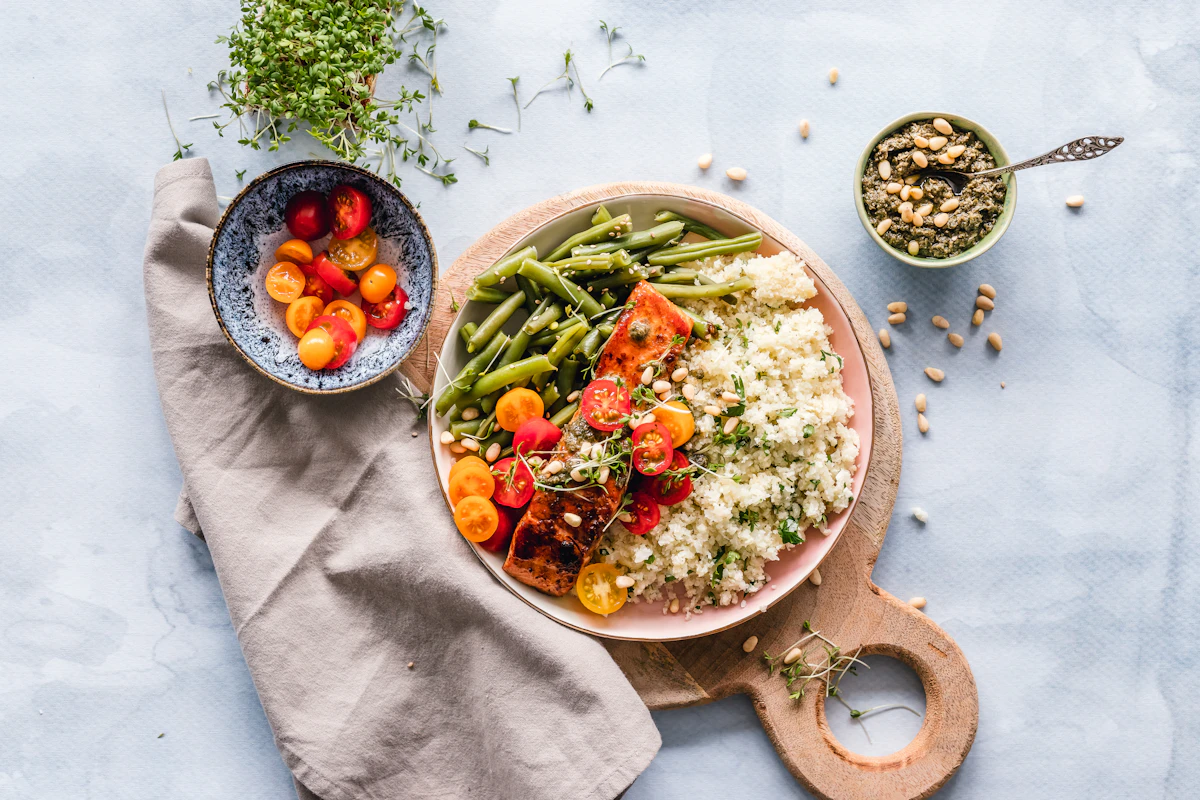
Frozen vegetables, canned beans or lentils, eggs, yoghurt and other convenient foods can help reduce preparation time. Compare labels where relevant, particularly sodium, added sugar and saturated fat, and choose options that suit your needs. No single food needs to be labelled a miracle food; overall eating patterns and portion choices matter more than a trendy ingredient.
Build a realistic shopping list
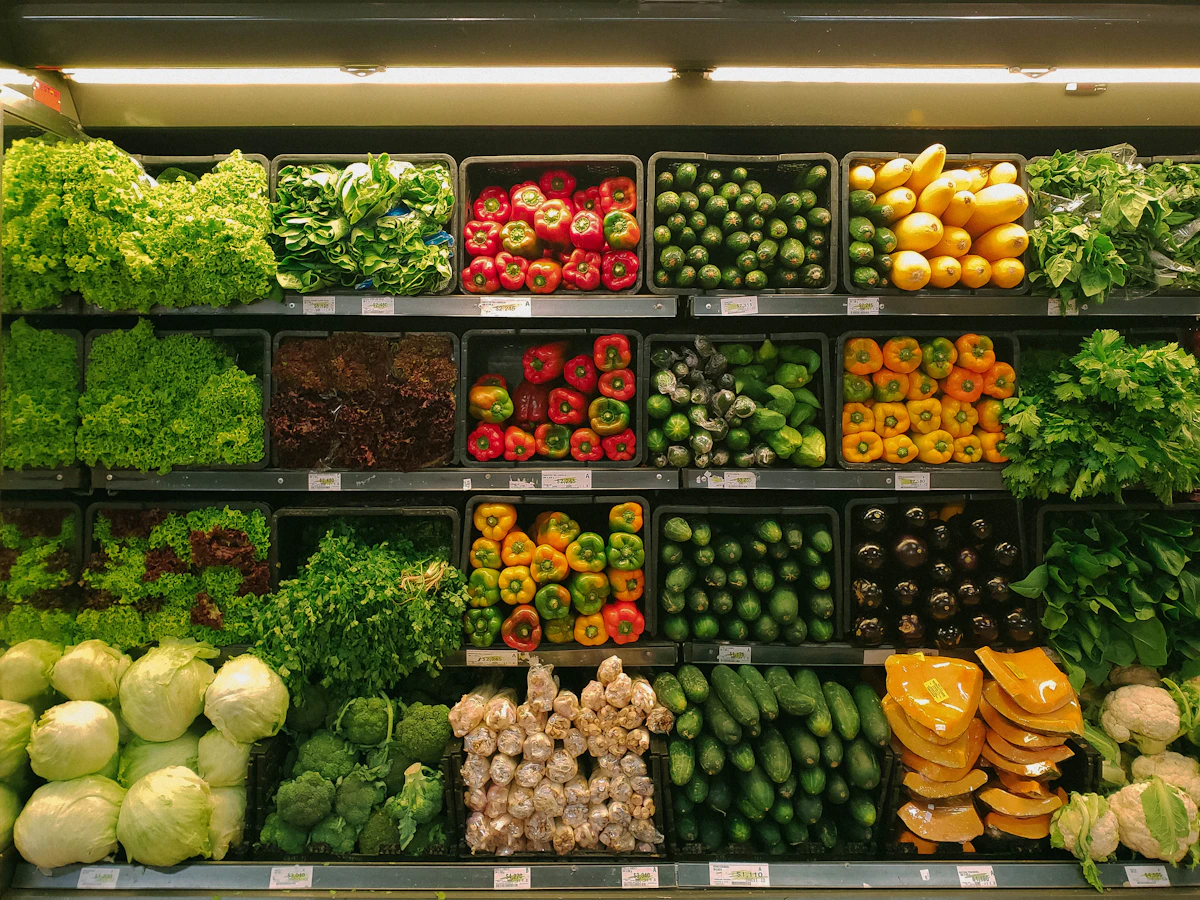
Use meals you already enjoy as the basis for your list. Buy seasonal produce where it is affordable, choose ingredients that can be used in several dishes and store foods safely to reduce waste. If you have dietary restrictions, allergies or a condition requiring a specific eating plan, follow advice from a qualified healthcare professional or registered dietitian rather than copying a generic online menu.
Keep habits flexible and sustainable
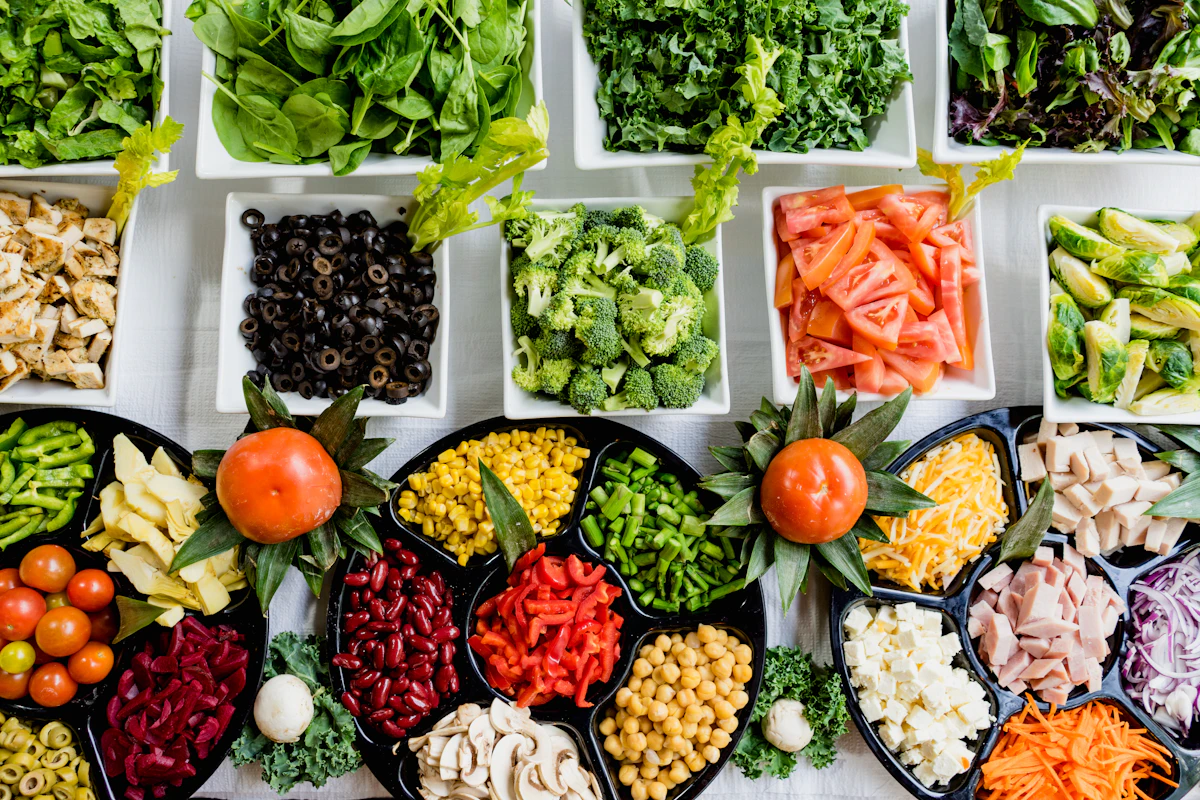
Aim for repeatable improvements rather than perfection. Eat regular meals when that suits your routine, keep water available and make room for social and cultural food traditions. If a day does not go to plan, return to your usual habits at the next meal. This article provides general wellbeing information and does not replace individual medical nutrition advice.
Final checklist

Write down your priorities, compare options using the same criteria, confirm important details directly with the relevant provider and keep records of agreements. Revisit the plan when your needs change rather than relying on assumptions or outdated information. The Infinity Company shares practical guides to help readers make more informed decisions.
About this guide: This article is for general informational purposes. Product terms, local rules and individual circumstances may differ; verify important details before acting.