

How to Plan a Successful Business Event in India: Budget, Checklist and Promotion
Quick answer: To plan a successful business or community event in India, define a measurable objective, understand the audience, set a realistic budget, assign owners and deadlines, make registration simple, promote through relevant channels, rehearse logistics, and follow up with attendees. This guide provides a practical checklist from the first decision to the post-event report.
Whether you are organising a workshop, business networking meet, product launch, training session, school event, community gathering, or online webinar, the same principle applies: design the experience around attendee value and manage the details systematically.
Contents

- Start with a clear event objective
- Define the audience and event format
- Build a realistic event budget
- Choose a venue and check logistics
- Create a timeline with owners and deadlines
- Design a useful agenda and run of show
- Select speakers, vendors and partners carefully
- Make registration simple and trustworthy
- Promote the event with a coordinated plan
- Use social media and content strategically
- Prepare technology, safety and contingency plans
- Communicate with attendees before the day
- Run event day with clear roles
- Measure results and follow up promptly
- Protect privacy, permissions and reputation
- A practical 30-day planning checklist
- Common event-planning mistakes to avoid
- Frequently asked questions
Start with a clear event objective

A successful event begins with a defined outcome, not a venue booking. Decide whether the event should generate qualified leads, educate customers, launch a product, build community relationships, celebrate a milestone, recruit talent, or train a team. Write the objective in one sentence and choose two or three measurable indicators. For a networking event, useful indicators might include registrations, attendance rate, meaningful introductions, and follow-up meetings. For a workshop, measure completion, participant feedback, and whether attendees can apply the skill afterwards. Keep the audience specific: “small-business owners in the region” is more useful than “everyone.” A clear objective helps you reject activities that consume time and budget without contributing to the result. It also makes the event easier to explain in invitations, sponsor proposals, internal approvals, and post-event reports. Revisit the objective whenever a new idea is proposed; if it does not support the outcome, simplify or remove it.
Define the audience and event format

Describe who the event is for, what they need, and why they would spend time attending. Consider role, experience level, location, language, accessibility needs, preferred schedule, and likely questions. The format should fit the audience and objective. A practical training session may work best as a small workshop; a product announcement may need a presentation and demonstration; a professional community event may benefit from short talks and structured networking. In-person, virtual, and hybrid formats each have trade-offs. In-person events support informal conversations but add venue and travel costs. Virtual events widen access and reduce travel, but require reliable technology and active facilitation. Hybrid events can serve both audiences but need deliberate camera, sound, moderation, and audience-engagement planning. Avoid selecting a format simply because it is fashionable. Ask a small sample of intended attendees what would make the event useful, then use that feedback to shape the agenda, duration, venue, and communications.
Build a realistic event budget

Create a budget before committing to non-refundable spending. Common cost lines include venue hire, catering, speakers, travel, accommodation, production, audiovisual equipment, internet, registration software, design, printing, photography, security, permits where applicable, accessibility arrangements, insurance where appropriate, taxes, and post-event follow-up. Separate fixed costs from per-attendee costs so you can model different attendance scenarios. Ask vendors for written quotations that specify inclusions, overtime, cancellation terms, taxes, deposits, and payment dates. Keep a contingency reserve sized to the event’s complexity and uncertainty rather than treating every rupee as already available. For a ticketed event, calculate the break-even attendance using total fixed costs and the contribution earned per ticket after variable costs. For a free event, identify the approved funding source and the value expected in return. Do not assume sponsorship will arrive until terms are agreed in writing. Track actual spending against the budget weekly, and require approval for material changes.
Choose a venue and check logistics
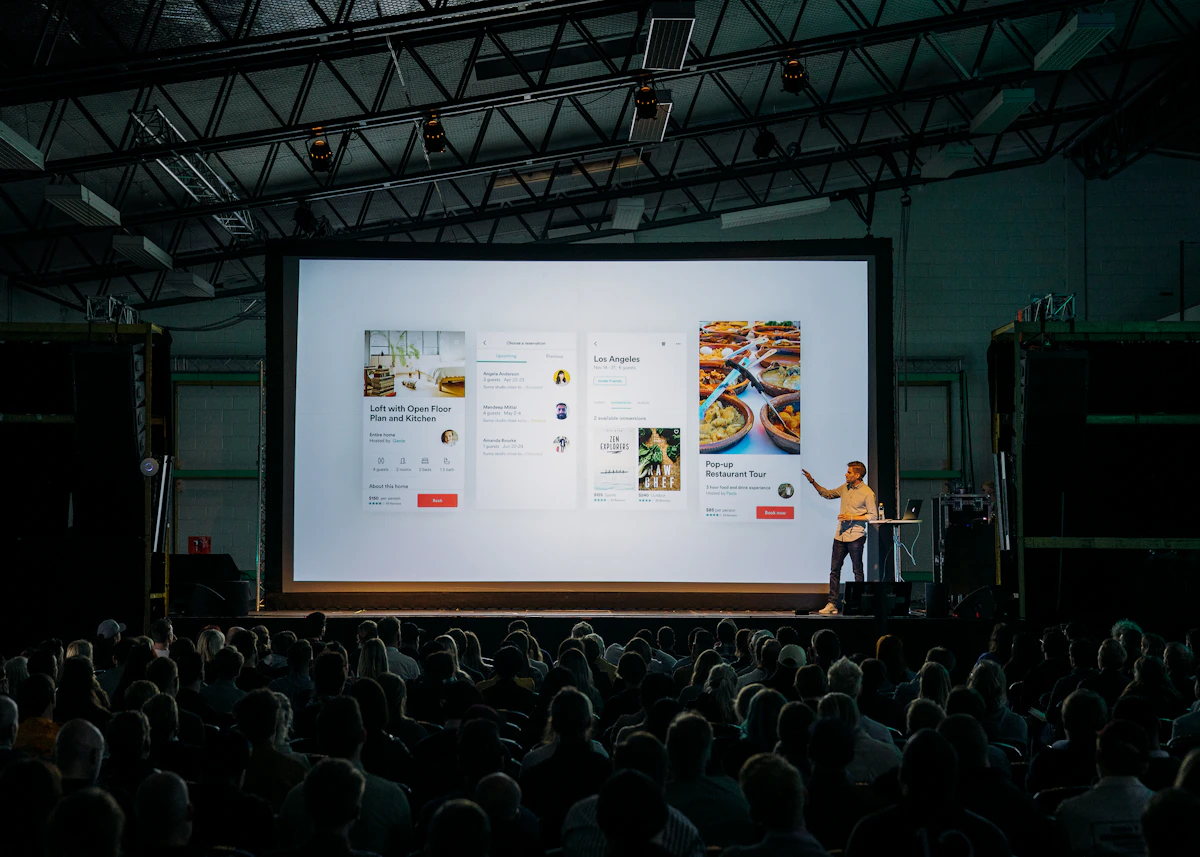
Inspect the venue against the actual programme rather than choosing it only for appearance or price. Confirm capacity for seated and standing arrangements, stage or presentation area, toilets, ventilation, lighting, power, internet, accessibility, parking, public transport, loading access, signage, emergency exits, and restrictions on food, photography, decorations, or amplified sound. Ask who will be present from the venue team during setup and the event. Visit at a similar time of day if traffic, noise, heat, or sunlight could affect the experience. Map the guest journey from arrival to registration, seating, breaks, and exit. For a virtual event, assess the platform’s registration flow, participant limits, recording settings, captions, moderation controls, and backup access method. For hybrid events, test the experience from both rooms: remote attendees should be able to hear questions, see presenters, and participate without feeling like an afterthought. Record all agreed services in the contract and confirm the final layout in writing.
Create a timeline with owners and deadlines

Turn the event into a project plan with a named owner for every task. Work backwards from event day and include decision deadlines, not just activity dates. Early milestones may include confirming the objective, audience, format, budget, venue, speakers, suppliers, and approval process. Later milestones cover registration launch, promotion, attendee communications, content review, technical tests, print deadlines, seating plans, and final vendor confirmations. Each task should have one accountable person, a due date, a status, and a dependency where relevant. A shared spreadsheet or project board is often enough for a small event; complex events may need formal project-management software. Schedule short review meetings with a written decision log. Escalate delays while there is still time to change course. Build in buffer time for speaker cancellations, supplier delays, late registrations, and equipment problems. The week before the event should focus on checking and rehearsing, not inventing the core plan from scratch.
Design a useful agenda and run of show

The public agenda tells guests what they will experience; the run of show tells the delivery team exactly how it will happen. Design the agenda around attention and participant value. Use clear session titles, realistic durations, short breaks, transitions, and time for questions. Avoid filling every minute with speeches. If networking is an objective, provide a prompt or structured activity so participants have a reason to interact. The run of show should list each segment’s start time, duration, owner, presenter, slide or media cue, microphone needs, stage movement, and contingency. Assign a timekeeper who can discreetly signal speakers. Confirm pronunciations, titles, biographies, presentation formats, and consent for recording or photography in advance. Share the final agenda with speakers and staff, but provide guests only the information they need. Rehearse key transitions, opening remarks, award presentations, demonstrations, and any activity that depends on several people acting in sequence.
Select speakers, vendors and partners carefully

Choose speakers for expertise, clarity, relevance, and their ability to connect with the audience—not only for their job title or social reach. Share the audience profile, session objective, duration, format, technical setup, deadline, and expected level of preparation. Confirm honorarium, travel, accommodation, cancellation arrangements, recording permissions, and publicity approvals in writing. Evaluate vendors on reliability, relevant experience, scope, references, service response, safety practices, and contract clarity. Compare like-for-like quotations; a lower headline price may exclude setup, staffing, delivery, or overtime. For sponsors and partners, define the benefits precisely, including logo placement, speaking time, attendee access, data-sharing boundaries, and deliverables. Do not promise personal attendee information without a lawful basis and clear notice. Maintain a primary contact and a backup for each critical supplier. A short written briefing and a final confirmation call can prevent many avoidable event-day misunderstandings.
Make registration simple and trustworthy

A registration page should quickly answer what the event is, who should attend, what participants will learn or do, when and where it happens, whether it costs anything, what is included, and how to ask questions. Collect only the information needed to administer the event. Too many mandatory fields can reduce completion and create unnecessary data-handling responsibilities. State cancellation, refund, transfer, waiting-list, recording, photography, and accessibility arrangements clearly. Use an email or message confirmation that includes the date, time zone if relevant, venue or access link, contact details, and calendar option. If the event is capacity-limited, explain how seats are allocated and how wait-listed participants will be contacted. Test the entire journey on a mobile phone, including payment if used. Protect registration data, limit access to people who need it, and establish a retention plan. Never describe a registration as confirmed until the system or team has actually recorded it.
Promote the event with a coordinated plan

Promotion should explain the benefit of attending, not simply announce a date. Create a concise message that identifies the audience, key value, format, location, date, speakers where confirmed, and a clear registration action. Use channels the intended audience already trusts: relevant email lists, partner networks, professional communities, social platforms, website pages, and direct invitations. Match the message to each channel rather than copying the same long text everywhere. A landing page can provide full details, while social posts highlight one benefit or speaker at a time. Use truthful claims and obtain permission before using logos, testimonials, photographs, or partner names. Track registrations by source using consistent campaign tags or a simple question in the registration form. Start promotion early enough for people to plan, then send useful reminders as the event approaches. Do not buy irrelevant lists or send unsolicited bulk messages. Measure qualified registrations and attendance, not just likes, impressions, or follower growth.
Use social media and content strategically

Create a small content calendar rather than posting randomly. Possible assets include the announcement, a practical problem the event will address, a speaker introduction, a behind-the-scenes preparation note, a short agenda preview, a frequently asked question, and a final reminder. Every asset should have one main message and one next step. Use accessible text, readable contrast, captions for video, descriptive alternative text for informative images, and accurate dates. If you share photographs from previous events, ensure they represent the event honestly and that you have permission to use them. Avoid implying that a speaker or sponsor has endorsed something beyond the agreement. Encourage partners to share approved copy, but provide clear links and posting dates. During the event, assign someone to capture approved highlights without disrupting sessions. Afterward, publish a useful recap, key takeaways, or resource links for attendees and people who could not attend. This extends the value of the event without pretending that online engagement alone proves business impact.
Prepare technology, safety and contingency plans

List every technical dependency: laptops, adapters, microphones, speakers, displays, clickers, presentation files, charging, Wi-Fi, power, streaming, recording, and access credentials. Test the actual equipment and network in the real environment where possible. Keep offline copies of essential slides and a backup way to communicate with staff. Establish who can make decisions if the venue becomes unavailable, a speaker cannot attend, weather disrupts travel, a payment or registration tool fails, or the online stream drops. Safety planning should be proportionate to the event size and risk. Identify emergency exits, first-aid arrangements, crowd-flow concerns, responsible venue contacts, and any permissions or local requirements that apply. Do not assume that one generic checklist replaces venue rules or professional advice. Provide a clear reporting route for accessibility issues, harassment, medical concerns, or other incidents. Brief staff on escalation and avoid assigning responsibilities that they have not agreed or been trained to perform.
Communicate with attendees before the day

A useful communication sequence typically includes confirmation at registration, a practical reminder several days before the event, and a final message shortly before it begins. Adjust frequency to the event type and avoid flooding inboxes. Each message should add value: preparation instructions, transport or parking information, what to bring, access requirements, agenda changes, contact details, or virtual joining guidance. Explain the arrival window and registration process so attendees know what to expect. If there are changes, state what changed and what the participant should do. Give remote participants clear instructions for joining, testing audio, and getting help. For an in-person venue, use consistent names and addresses across the website, invitation, map, and reminder. Prepare a response template for common questions, but allow a real person to handle unusual needs. Keep attendee data private and do not expose recipients to one another through an incorrectly addressed bulk email.
Run event day with clear roles

Arrive early enough to inspect the venue, test equipment, check signage, brief staff, and confirm supplier arrival. Use a single event lead who can make timely decisions and a separate person to monitor the run of show where resources allow. Assign clear owners for registration, guest support, speakers, stage management, technology, photography, catering, and safety contacts. Keep a current contact sheet available to the team, but do not display private phone numbers publicly. Open registration before the scheduled start and have a plan for late arrivals. Brief presenters on timing and the process for questions. Record actual attendance and important operational issues without collecting unnecessary personal details. If something goes wrong, communicate calmly, protect safety first, and give guests a clear next step. A short post-event staff debrief while memories are fresh can capture what needs immediate follow-up and what should change next time.
Measure results and follow up promptly

Evaluate the event against the objective set at the beginning. Useful measures may include registration-to-attendance rate, attendee satisfaction, session completion, qualified enquiries, meetings booked, learning outcomes, partner deliverables, budget variance, and follow-up response. Interpret metrics in context: a smaller event can be successful if it reaches the right people and creates the intended outcome. Send a thank-you message and any promised slides, resources, certificates, recordings, or next steps within the timeframe you announced. Ask for feedback with a short, specific survey that participants can complete quickly. Separate operational feedback from questions about the content itself. If the event generated leads, follow up respectfully and only in ways participants were told to expect. Share a concise internal report with actuals, lessons, unresolved commitments, and recommendations. Document supplier performance and save reusable assets so the next event starts from a stronger baseline.
Protect privacy, permissions and reputation

Events often involve names, contact details, images, recordings, payment records, and sometimes sensitive access requirements. Decide in advance what information is needed, who can access it, where it is stored, how long it is retained, and how it will be deleted. Give clear notice about photography, video, recording, and any intended use of attendee information. Obtain appropriate permissions and provide a reasonable way to raise concerns. Be careful when publishing identifiable images of children or people who may be vulnerable; follow applicable law, organisational policy, and guardian consent requirements where relevant. Use licensed or authorised music, images, fonts, presentations, and other creative materials. Review sponsor claims and speaker biographies for accuracy. Avoid overstating attendance, outcomes, endorsements, or media coverage. If an incident occurs, preserve accurate records, notify the responsible decision-maker, and follow applicable reporting requirements. Professional event management includes respectful data handling and honest communication, not only a polished stage.
A practical 30-day planning checklist

Four weeks before the event, confirm the purpose, audience, format, budget, date, venue, key speakers, vendors, approval requirements, and success measures. Three weeks before, launch registration, publish the event page, begin partner outreach, finalise the agenda, and prepare promotional materials. Two weeks before, review registrations against the target, answer attendee questions, confirm logistics, collect speaker materials, and identify any gaps. One week before, verify the run of show, supplier arrival times, access needs, signage, seating, internet, equipment, and contingency contacts. Two or three days before, send practical attendee instructions, check the latest registrations, print only what is necessary, and rehearse key transitions. On the day, use the run of show, record issues, support participants, and keep safety central. Within 48 hours afterward, thank attendees and partners, send promised resources, collect feedback, reconcile urgent invoices, and capture lessons. Within two weeks, complete the outcome report, follow up on agreed opportunities, and archive files according to the retention plan.
Common event-planning mistakes to avoid

Frequent mistakes include choosing a venue before defining the audience, setting a budget without a contingency, announcing speakers before contracts are confirmed, overloading the agenda, leaving promotion too late, and treating registration numbers as proof of attendance. Other problems include unclear ownership, weak sound checks, missing adapters, inaccessible information, confusing directions, late changes that never reach attendees, and no plan for cancellations or technical failure. Avoid relying on one person for every critical task. Do not assume a supplier understands an expectation that has not been written down. Do not use attendee data for a new purpose without checking the notice, permissions, and applicable requirements. Avoid making promises about refunds, certificates, recordings, or sponsor exposure unless the team can deliver them. The best prevention is a short, shared checklist, written confirmations, rehearsals, realistic deadlines, and a named decision-maker. After each event, turn lessons into specific changes rather than merely recording that “communication should improve.”
Frequently asked questions

How early should planning begin? Small internal sessions may need only a few weeks, while conferences, public events, and events involving travel or complex production often need several months. What is the ideal event budget? There is no universal amount; cost depends on attendance, location, format, production, catering, speakers, and service level. Should an event be free? Choose based on the audience, objective, funding, and whether a fee improves commitment or creates a barrier. How do you improve attendance? Set clear expectations, make registration simple, send useful reminders, and ensure the event solves a real audience problem. Is a virtual event always cheaper? Not necessarily; production, platform, moderation, and content costs can still be substantial. What should be measured? Select measures linked to the objective, such as learning, qualified leads, satisfaction, attendance, or partner commitments. Do small events need a safety plan? Yes, planning should be proportionate to the venue, audience, activities, and risks. Where can a business get help with promotion or coordination? Define the specific work required, check experience and references, and agree scope, costs, timelines, and deliverables in writing.
Useful resources and next steps

For event planning, check the venue’s own safety and access guidance, local authority requirements where applicable, and the official information relevant to your event type. For digital privacy and personal-data questions, review applicable Indian law and guidance from authoritative government sources. Confirm all current requirements directly rather than relying on an old checklist.
Explore more practical business and service guidance at The Infinity Company. If you need to discuss a business enquiry or coordination requirement, contact the team on WhatsApp at +91-7290007100. Explain the event type, city, expected attendance, date, and the specific help required so the conversation can start with clear scope.
Final checklist: objective confirmed; audience defined; budget approved; venue and vendors confirmed; registration tested; agenda and run of show shared; promotion scheduled; accessibility and safety reviewed; contingency contacts ready; follow-up owner assigned; results review booked.